
Rabbit
JADE SONG
Hu Tianbao waves to asphalt and sky. The bumper of his mother’s car has long since exited the drop-off zone, yet he still stands moving his arm in the building’s entrance doorway. Left right left right dawdles his hand. A farewell to punctuality. He’s alone.
Thirty-Seven Theses on Time and Memory
SVEN BIRKERTS
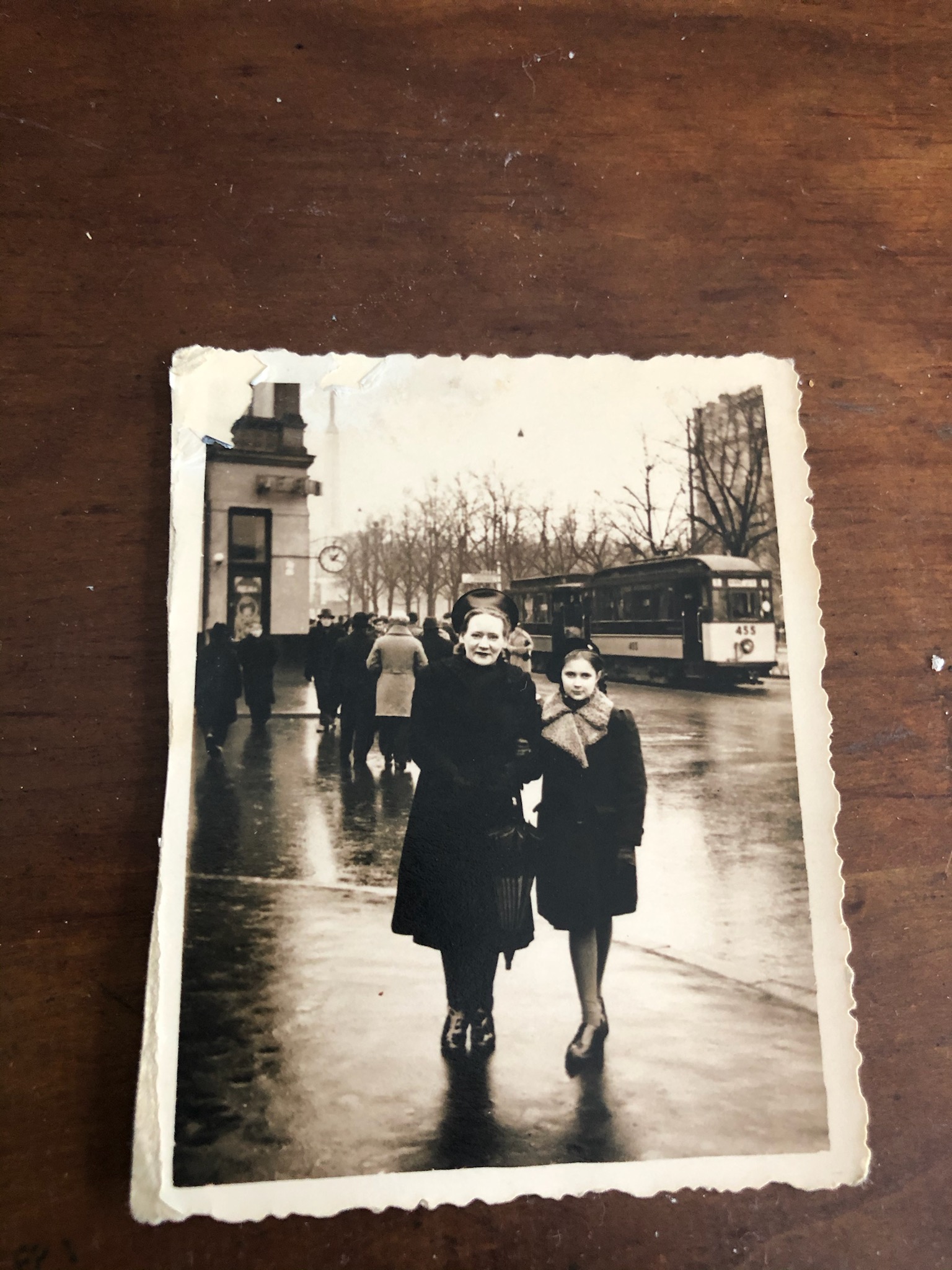
Why do we keep hold of certain things, and nothing of others? Now I can remember, with almost cinematic granularity, an afternoon when a veterinarian came to our fifth-grade class to dissect a white rat for our science unit. I feel the heat of the room.

It’s Important I Remember That Journalism is the First Draft of History—
CORTNEY LAMAR CHARLESTON
There is no justice here, he’s believed / to have said before being proven / correct, after the mob descended on his jail cell / with cocked weapons, wearing black masks, blacker / even than those that frame ivory teeth trained / to curvature by the terror.
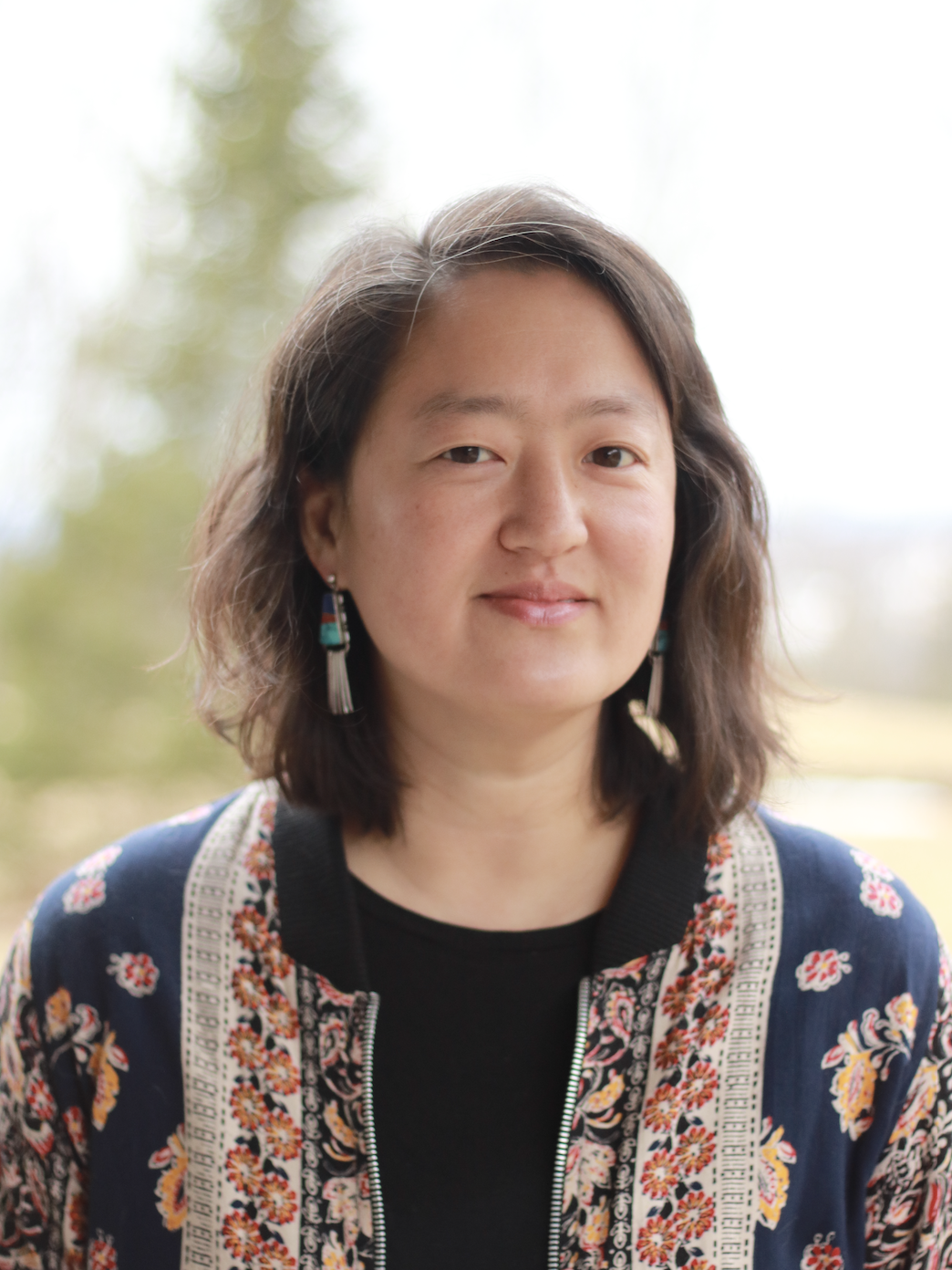
Writing into Negative Space (Absence): Tiana Nobile interviews Sarah Audsley
SARAH AUDSLEY
My intention is not for erasure, but for the variable X to stand in (or take up space) for all the unknowns, for what is undefinable, for the unsolvable. I wanted the book to have an “us” and a “we,” not just an “I.” Lately, I have been thinking about how healing—which I think is every day and on a continuum—happens in the collective.

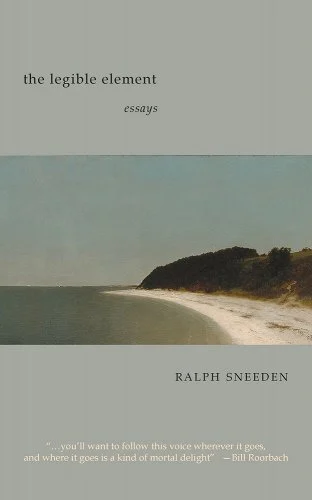
Through the Lens of the Littoral: A Review of Ralph Sneeden’s The Legible Element
Review by MATT W. MILLER
Sneeden, whether talking waves or poetry, is never pedantic, never flexing knowledge about water or literature. He’s just excited to make connections between ideas, fully and puckishly aware of his geeky literariness, acknowledging that “Nothing, I am told, is more boring than when I do start talking about the waves.”

- STELLA GAITANO The name was as clever as it was wily; zero isn’t just any old number. It at once indicates the completion of something, and nothing. This land called Zero has morphed into a black hole that has swallowed my hopes and dreams. I may be on the verge of madness.
- ABU BAKR KAHAL And when it came to death, well, the truth is that our great-grandfather had escaped from it many times, particularly the kind of death that is snatched from the jaws of predators. That’s why he had begun to fear...
- MICHELLE LEWIS To say you cannot stand inside the sky and still see its blue / is a way of understanding longing. But here in Penne-d’Agenais, / my favorite lesson doesn’t hold: step over the threshold and / you are all in, Hail Queen in Latin exclaiming from its underside...
- OKSANA MAKSYMCHUK Your speech / tongue in cheek, like descriptions of cocktails / in this bar full of handsome strangers / who won’t meet my eye // Mesmerized / by your own voice, you speak / dangling pick-up lines like the glossy jewelry.
- LEILA CHATTI Around me, the stubborn trees. Here / I was sad and not sad, I looked up / at a caravan of clouds. Will you ever / speak to me again, beyond / my nightly resurrections? My desire / displaces, is displaced. / The sun unrolls.
- NGUYEN BINH Some strenuous days I / wish to be standing / by the sharp edge of / the tallest, hardest, / most harrowing of / cliffs, with myriads / of silenced conifers, / thousands of muffled / trilobites and hundreds / of stegosaur vertebrae.
- KEVIN DEAN For the last few months, I’d seen him almost every day at the downtown café where I went to do my Arabic homework. He was young, probably still a teenager, but quiet and composed. He sat by himself, writing in a notebook for some time, then reading a little.
- ADAM YOUSSOUF Birds of prey circled in the distant sky, watching the Earth’s surface: nothing, just warm air and a hot sun that spilled its rays angrily, recklessly. Sando jumped over a stream of dirty water and walked briskly down the road.
- LAKSHMI SUNDER Aphrodite was whipped from the sea, spun from the foam of Oranos / Uranus. / In science class, I’m laughing at Uranus / your anus. Now, I’m cornered in timeout. / He wants me when I’m fresh, for my curves.
- JANUARY GILL O’NEIL And when you whispered under your mask, I don’t think I can stand these two young lovers, bright as the low winter sun shining through the dingy subway car windows, I knew what you meant: maskless, giggling, boy holding girl by the waist.
- MARIA DE CALDAS ANTÃO I’m free to put a bullet through my head / when I can no longer piss alone. / I need to get that bullet. Then I can choose. / I’m free to choose what I want to be, / what I think of me, and I’m free / to blow it all up.
- AHMED SHEKAY The idea comes to mind of playing with memory, calling it up, and—when it begins to speak—changing the track; this game will help me pass the time, and maybe, by playing with my memory, I can come up with a solution to my death.
- A.J. RODRIGUEZ Right before her twenty-fifth birthday, Chacha shaved her head, shearing the long black hair I’d known my entire life down to tiny-ass stumps. Having not spoken to my half sister in months, I learned about her haircut through Cero Reyes.
- JAMES RICHARDSON We watch the trees the way we watch the birds, / sitting more quietly than we have to, / though trees do not respond to sudden motion, / a crossing fox, a knock on the window, / or anything less momentous than the day.
- MERYL ALTMAN Water is best; and gold, which shines like fire / burning at night, says this is a very rich man / like nothing else does; and when you need / an image for the thrill of victory, what could be / stronger than the sun?
- SIMON ABRAHAM ODHOK AKUDNYAL The teacher, Ms. Nyiboth, was tenderhearted and gorgeous, with a small, proud beauty mark on the bottom of her left cheek. Her features added to her charm, and as for her voice, it had some hidden magic
- L. S. KLATT my mother died, & I / was moth, my body / alert with warning / coloration. Instar, / I cut myself / out & started / again. I couldn’t / possibly have been / Atlas, colossal, / camouflaging / in plain sight. I was / different in the tree / of heaven.
- JOHN DAVIS JR. Some descended from the arms / of our chapel cross, while lower / brothers abandoned statues / to bathe and drink at the heart / of our campus. Here, this flock / is no congress, no murder— / too innocent for such names.
- JEMAL HUMED The hallway is cold and disquieting, lined with austere doors marked with consecutive numbers, giving no indication of their occupants. The corridor is never-ending, leading to a room at its end whose grand entryway, formidable and rigid, seems to surveil.
- SEAN CHO A. in the absence of wind: stillness of course. / the slowness of the leaves is a reminder / of the importance of scale. of time. scale / of time. the stillness in the branches becomes / a reminder of the limitations of home. a broken / branch.
- AMALIA BUENO Da ocean like us know we all going die. / She stay keeping all our bones. / I seen da wave take ’em / den bring ’em to da shore / den take ’em back out again. / Plenny bones, / and inside da bones—mana. / One day, da ocean all quiet, / da waves all calm.
- CHRISTOPHER BAKKEN One bullet. Even a rumor of bullet / restless in the chamber of a neighbor’s gun. / To run, before he arrives with his god. / Gather only what can be carried. / No litany for the uncompassed, / beyond the song of our shed weight.
- MICHAEL ADONAI is one of Eritrea’s most celebrated contemporary artists and writers. His traditional “Coptic Art” depicts the plights and fortitudes of the Eritrean people. He has exhibited internationally, and won awards including the Raimok Award.
- ELEANOR STANFORD I understood power / as the ability to excite / desire. When I passed / the socialists camped out / in the square in Mexico City / last summer I cringed / in recognition and took a picture / that I texted to my anarchist / in another country. / Later / I bought silver earrings.
- JEFFREY HARRISON It was just doing what it needed to do / to survive, yet we watched through the window // amazed by its relentlessness, / like someone making the same / obvious point over and over, / until we gave in to the amusement / I know my father would have felt / at the way, between bursts of…
- ARTHUR GABRIEL YAK He glimpsed his mother’s face, which had departed some time ago: she smiled at him as she never had before; then she too melted into the last of the fine lines of smoke that crashed into the ceiling and vanished into the malfunctioning fan overrun by cobwebs.
- ANN INOSHITA Eight people wen ma-ke. Six of um, Asian. / All da police captain said was / da killa had one bad day. // Eh, I get pleny bad days too, / but you no see me going Vegas / on one shooting rampage. / All da killa did was blame da victims. / Racist, sexist shit.
- MARK ANTHONY CAYANAN Longing to make his life compact as sushi, my shame / borrows the saint’s apron, shackles his swivel in her cincture. My shame / walks the earth with an electric blanket, goes to the gym to window-shop with / it, heads for the hills where he takes selfies meditating.
- TREY MOODY My grandmother likes to tell me dogs / understand everything you say, they just can’t / say anything back. We’re eating spaghetti / while I visit from far away. My grandmother / just turned ninety-four and tells me dogs / understand everything you say...
- KEVIN HAUTIGAN If you ever want to feel real, / even important, / cry on the street. / Sob. Heave. Bum a half-smoked cigarette. / Drunks rally around your wet eyes: / A woman brings a paper cup of soft serve. / A man in a floral shirt puts his hand on your shoulder.
- MATTHEW LIPPMAN I tried to get in touch with my inner knowledge. / Turns out I have no inner knowledge. / I used to think I did. / Could sit on a rock contemplating the frog, the river, the rotisserie chicken / and know that everything is connected to everything else.
- DAVID MEISCHENShorts, standard walking shoes. He looked like someone I might meet hiking the Shoal Creek Trail. And not give a second thought. But the glance had happened; the silent exchange had happened. The unspoken had changed me, changed him. I could see what was not visible.
- JULIET S. K. KONO Somewea in Colorado. / One nite, one woman wen go into layba / wen was real hot unda the black-out lite. / Into this dark-kine time, one baby wuz born. / Da baby was me. One black-out baby— / nosing aroun in the dark / wid heavy kine eyes, / and a “yellow-belly."
- JAMES RICHARDSON The days seem kindlier near sunset, easier / when they are softly falling away / with that feeling of sad happiness / that we call moved, moved that we are moved / and maybe imagining in the dimming / all over town.
- TAHIR ANNOUR My father headed north. He said he would be back in a month. It all happened so fast I barely caught it, like a migratory bird resting in a dark corner of the forest, like all the things that crowd my memory. No sooner do they appear than they vanish.
- CORTNEY LAMAR CHARLESTON There is no justice here, he’s believed / to have said before being proven / correct, after the mob descended on his jail cell / with cocked weapons, wearing black masks, blacker / even than those that frame ivory teeth trained / to curvature by the terror.
- SVEN BIRKERTS Why do we keep hold of certain things, and nothing of others? Now I can remember, with almost cinematic granularity, an afternoon when a veterinarian came to our fifth-grade class to dissect a white rat for our science unit. I feel the heat of the room.
- JADE SONG Hu Tianbao waves to asphalt and sky. The bumper of his mother’s car has long since exited the drop-off zone, yet he still stands moving his arm in the building’s entrance doorway. Left right left right dawdles his hand. A farewell to punctuality. He’s alone.
Using The Common in my first-year seminars has been fun, fruitful, and helpfully startling for these classes.”
—Martha Cooley, Associate Professor of English, Adelphi University Receive classroom subscription discounts, lesson plans, and more when you TEACH THE COMMON »