Clara Chiu

Nails, Tooth, and Tub

By TOLA SYLVAN

Blurry photo of a road with houses and snow.

Photo courtesy of author

Hida Furukawa, Japan 2025


I

I make a list of some observations:

            the baby’s cheek, below it
            spidery veins like a leaf

            stalk of tempura (crab or shrimp? something pink)
            pale yellow like a new bud in spring

Nails, Tooth, and Tub
Read more...

Sandwich

By BETO CARADEPIEDRA

Excerpted from Jaguar, a finalist for the Restless Books Prize for New Immigrant Writing 2025.


It was hard to stand out in the family alone. Benito’s parents, tías and tíos, valued children more than they valued money. They valued mothers more than they did models. When a man in the family became a father, he might as well have become a judge, or a reverend. You could be an arsonist, a seasoned gangster. You could even have slept with the priest. But if you became a parent, you would be alright in their eyes.

Tío Esteban was forty-one when he went to prison again. And Tía was older: forty-five. It didn’t seem likely that they would become parents, so all faith in them was lost.  
Sandwich
Read more...

The Reading Life: How to Teach Your Introductory Workshop in Fiction the Day After Trump’s Re-election

By KAREN SHEPHARD


The Reading Life is a special 15th-anniversary essay series reflecting on close reading and re-reading, written by The Common’s Editorial Board.


Consider not teaching, cancelling class, staying at home in bed.

Force yourself to go to campus anyway.

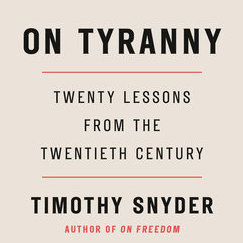
Remind the twelve undergraduates gathered around the seminar table that after the 2016 election, the historian Timothy Snyder published a tiny book called On Tyranny about how democracies fail and authoritarian systems thrive.  Present your comments as a reminder.  Recognize the pettiness of your annoyance that they haven’t heard of this book.  Recognize that it may be misdirected.  Understand that fist grabbing your heart as anger. 

The Reading Life: How to Teach Your Introductory Workshop in Fiction the Day After Trump’s Re-election
Read more...

Two Poems by Ahmed Bouanani, translated by Lisa Mullenneaux

By AHMED BOUANANI

Translated by LISA MULLENNEAUX

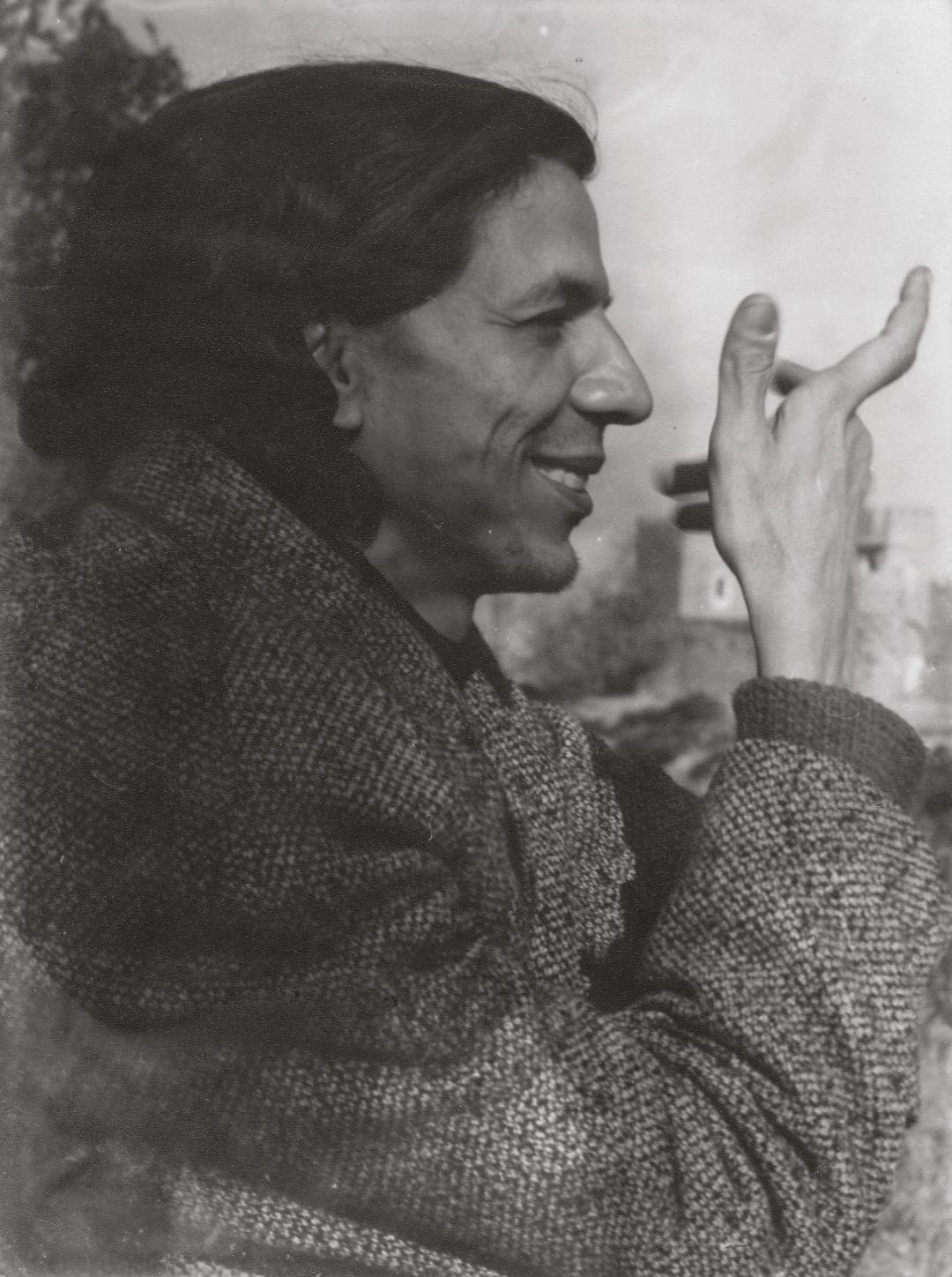
Portrait of person smiling and holding up their hand. Turned to the right.

Photo courtesy of Archives Bouanani

This country

My country is this horizon with blank pages
where I see skeletons of broken children
wandering, begging for the light of thin wisps
of stories that might finally appease them

In hands the color of amaranth magic
they hold hippogriffs like dogs
a talisman to protect themselves from the lover
with hair braided into black shapes

Two Poems by Ahmed Bouanani, translated by Lisa Mullenneaux
Read more...

Islands

By CASEY WALKER

Twelve years ago, in waters off the Azores, my father was thrown overboard on a whale-watching skiff and my mother thought she could save him. The trip had been my mother’s dream. She hadn’t seen the islands since she was a child, visiting her grandparents. My father’s overconfidence about boating in bad weather, an unanticipated storm surge, a possibly intoxicated boat pilot—that was the tragedy of my mother’s ancestral homecoming. No bodies were ever recovered. In lieu of caskets, the funeral director set up an oversized portrait taken on my parents’ wedding day. That young couple, with expressions formally posed, was all but unrecognizable to me.

Islands
Read more...

A Small Price & Without Warning

By MICHAEL ROBINS

The boy circles once more through the kitchen, past the ledge of photographs & the St. Francis tin, inside of which sleeps whatever’s left of the dog. My boy shows no signs of slowing down despite my tired oration on the topics of physics & premonitions, that denouement when I too was a spinning child & my head tripped down its irreversible path into the solid corner of the piano bench. No signs of slowing down nor do I mention how, playing ghost & turning beneath the sheet, I felt like a cannonball, I felt like nothing else speeding through darkness & then through the fog near the rocky shore. Afterwards, I knew only gravity, my blood, the irrefutable bleeding.


A Small Price & Without Warning
Read more...

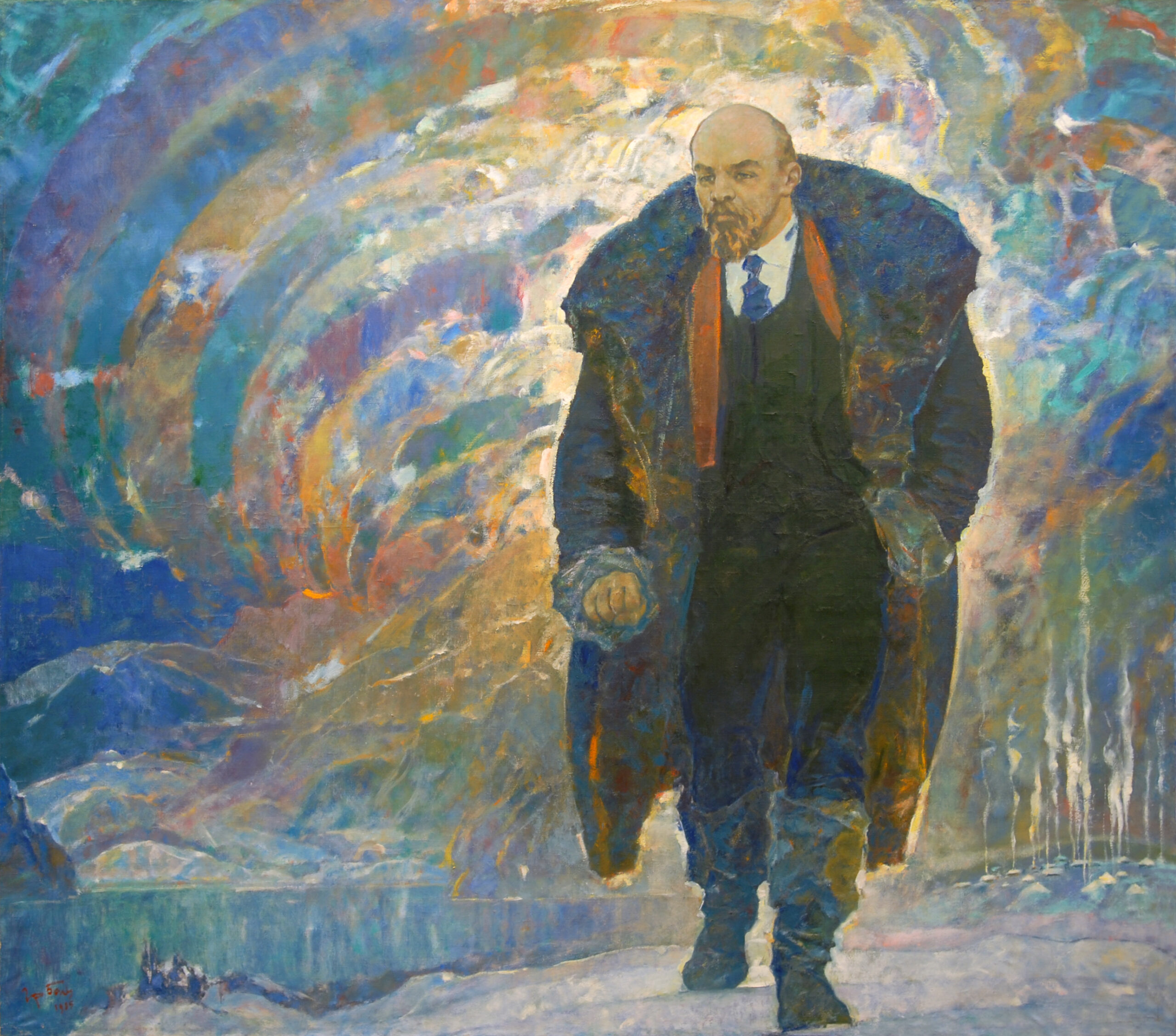
A Contentious Legacy: Art from Soviet Ukraine

From THE MEAD ART MUSEUM

More than thirty years after the collapse of the Soviet Union, the independent states that emerged from its territory continue to grapple with its legacies. In Ukraine, this struggle has unfolded amidst a political and cultural war waged by Russia. As Vladimir Putin’s regime weaponizes the shared Soviet past in its attempts to erase Ukraine’s nationhood, the Soviet legacy remains the subject of heated debate among Ukrainians. While some identify “Sovietness” with “Russianness” and seek to remove it from the national narrative, others attempt to reclaim their Soviet legacy, emphasizing the agency of Ukrainians who created it.

A Contentious Legacy: Art from Soviet Ukraine
Read more...

The Melnikov House

By MARTHA COOLEY

In 1927, a Russian architect named Konstantin Stepanovich Melnikov built an astonishing home in Moscow for himself and his wife, son, and daughter. Using affordable materials (building supplies were scarce), Melnikov and his son pitched in alongside several hired laborers to frame and erect the house. A photo taken at completion shows the owner—a slender man dressed in a suit, spats, and top hat—standing proudly in front of his home, with his wife (sporting a plaid coat and matching hat) at his side.

The Melnikov House
Read more...