By L. S. KLATT
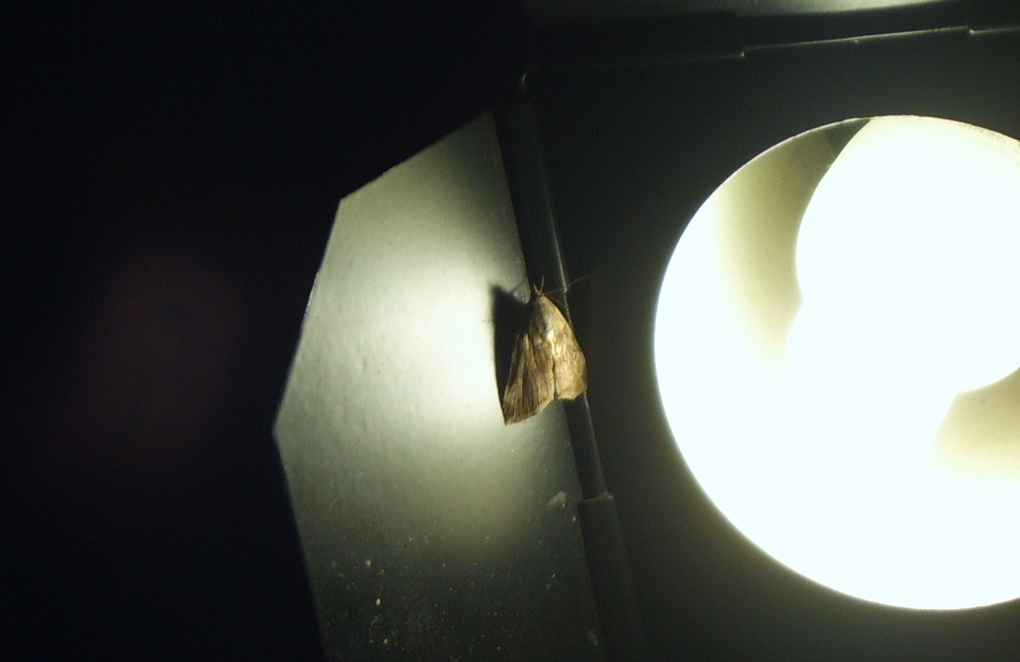
my mother died, & I
was moth, my body
alert with warning
coloration. Instar,
I cut myself
out & started
again. I couldn’t
possibly have been
Atlas, colossal,
camouflaging
By L. S. KLATT
my mother died, & I
was moth, my body
alert with warning
coloration. Instar,
I cut myself
out & started
again. I couldn’t
possibly have been
Atlas, colossal,
camouflaging
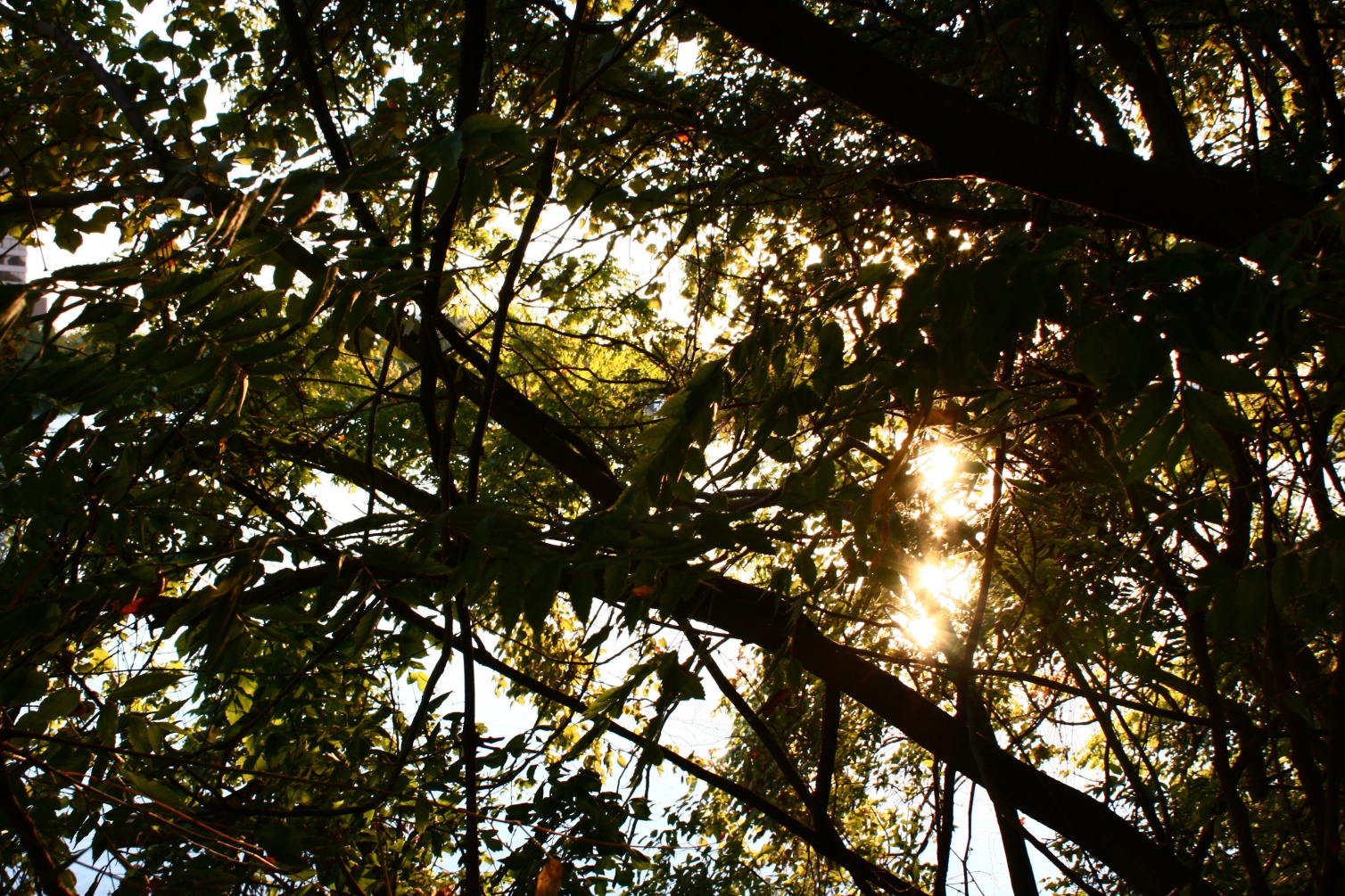
We watch the trees the way we watch the birds,
sitting more quietly than we have to,
though trees do not respond to sudden motion,
a crossing fox, a knock on the window,
or anything less momentous than the day.
—for Joseph O. Legaspi
And when you whispered under your mask, I don’t think I can stand these two young lovers, bright as the low winter sun shining through the dingy subway car windows, I knew what you meant: maskless, giggling, boy holding girl by the waist, taking selfies on a gray seat made for two. We sat across, letting their tenderness reflect on us: her back to his chest making a hearth of their bodies while the train snakes its turn over the elevated tracks. Hi-rises loom over gentrified streets, the graffitied walls, a sign for $0.99 pizza—how old neighborhoods create a new belonging. Nothing jostles these two as they attend to their own happiness, not the train’s hard lurch, its rumble and squeal, this couple at the beginning of their desires, you turning to me with your brown eyes in the day’s last light as we approach our final stop.

Translated by PERWEEN RICHARDS
The Falling Sun
Great-Grandfather’s name is Hage, which means “revered and noble,” though to some it means “loquacious,” while others deny all definitions and emphasize that the name means “he who imitates the sun or its likeness.”
“At that time, people thought the sun had fallen to Earth. ‘De K’al… De K’al… De K’al… The sun has fallen… The sun has fallen… The sun has fallen…’ they screamed.” That’s how the story was told by our great-grandfather—he who knew all the secrets of the past and how it was. It was known that he had memorized everything that storytellers told about those distant eras and their events.
By LISA BIGGS
This piece is excerpted from The Healing Stage: Black Women, Incarceration, and the Art of Transformation by Lisa Biggs ’93, a guest at Amherst College’s LitFest 2024. Register for this exciting celebration of Amherst’s literary legacy and life.

Stage healing as a practice of self-repair is generated and sustained by women behind bars in collaboration with the volunteer theater artists who direct their drama clubs. The term is deeply indebted to Cara Page and the Kindred Healing Justice Collective, who characterized healing justice as “how we can holistically respond to and intervene in generational trauma and violence … to bring collective practices that can impact and transform the consequences of oppression on our bodies, hearts and minds.” This “active intervention,” writes Prentiss Hemphill, makes listening to and collaborating with people who are “imagining transformative responses to harm” other than “feeding Black incarceration” foundational, not only to healing work but also to Black community organizing—in their case, specifically the Black Lives Matter movement.25 Healing justice recognizes that locating alternative, noncarceral responses to harmdoing requires finding ways to “develop and to honor practitioners of many different disciplines and modalities with capacities and skills to be with trauma, who know themselves well enough to navigate the complex terrain of emotion and guide others towards change.”26
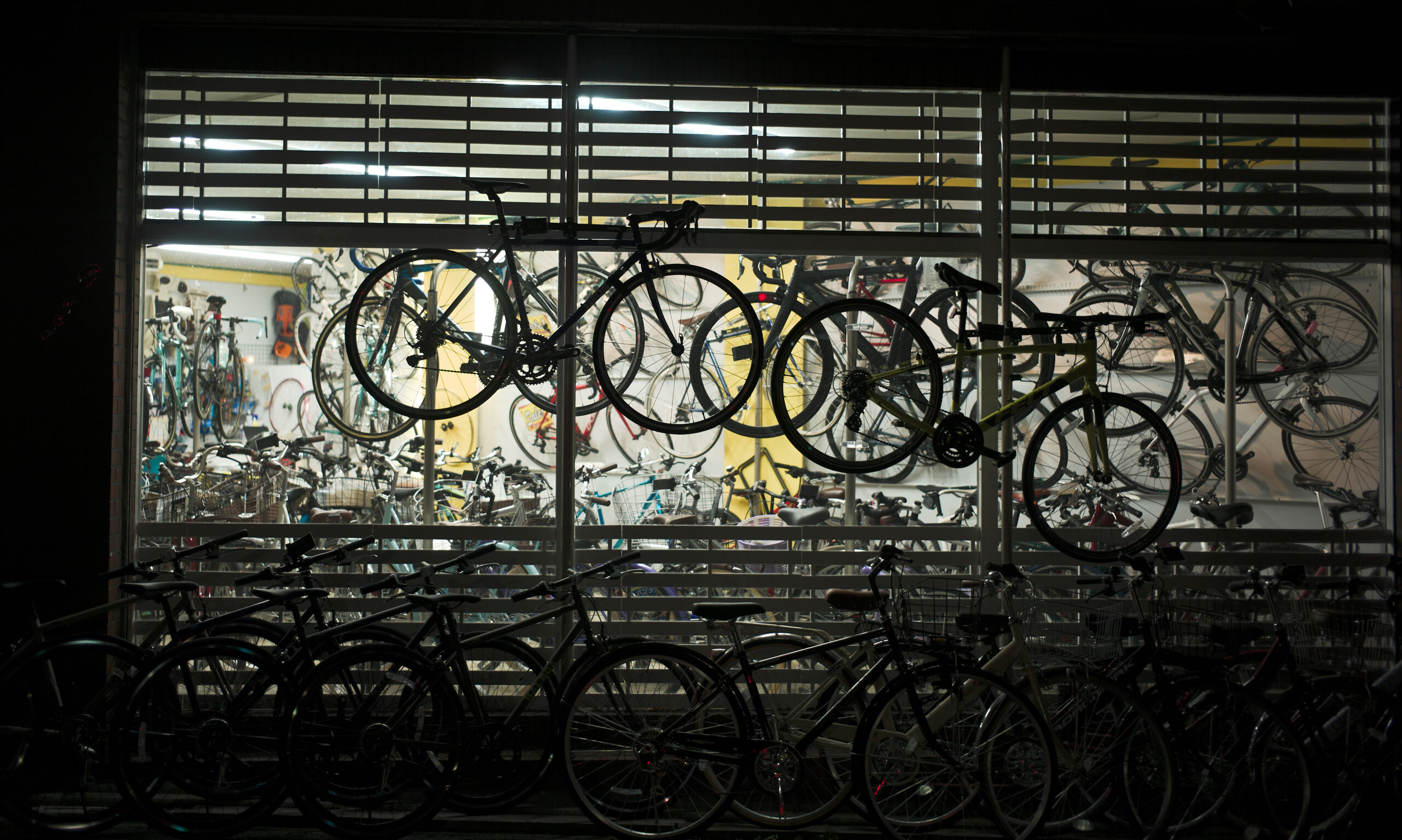
The baby would be fine, Saeed’s wife said. As the family gathered around the dinner table for his special dessert, a beet cake with yogurt icing, and his home-brewed beer, Saeed agreed to watch the kids on Thursday so that his wife could have a day to herself. They were his grandchildren, too, after all. Although it was only his fifth day in the new country, he had already gotten over his jet lag, touched and kissed his family multiple times, and been given a tour of the neighborhood. He had also bought a road bike and signed up for a spot at the community garden. Now it was time to get acquainted with the grandkids.
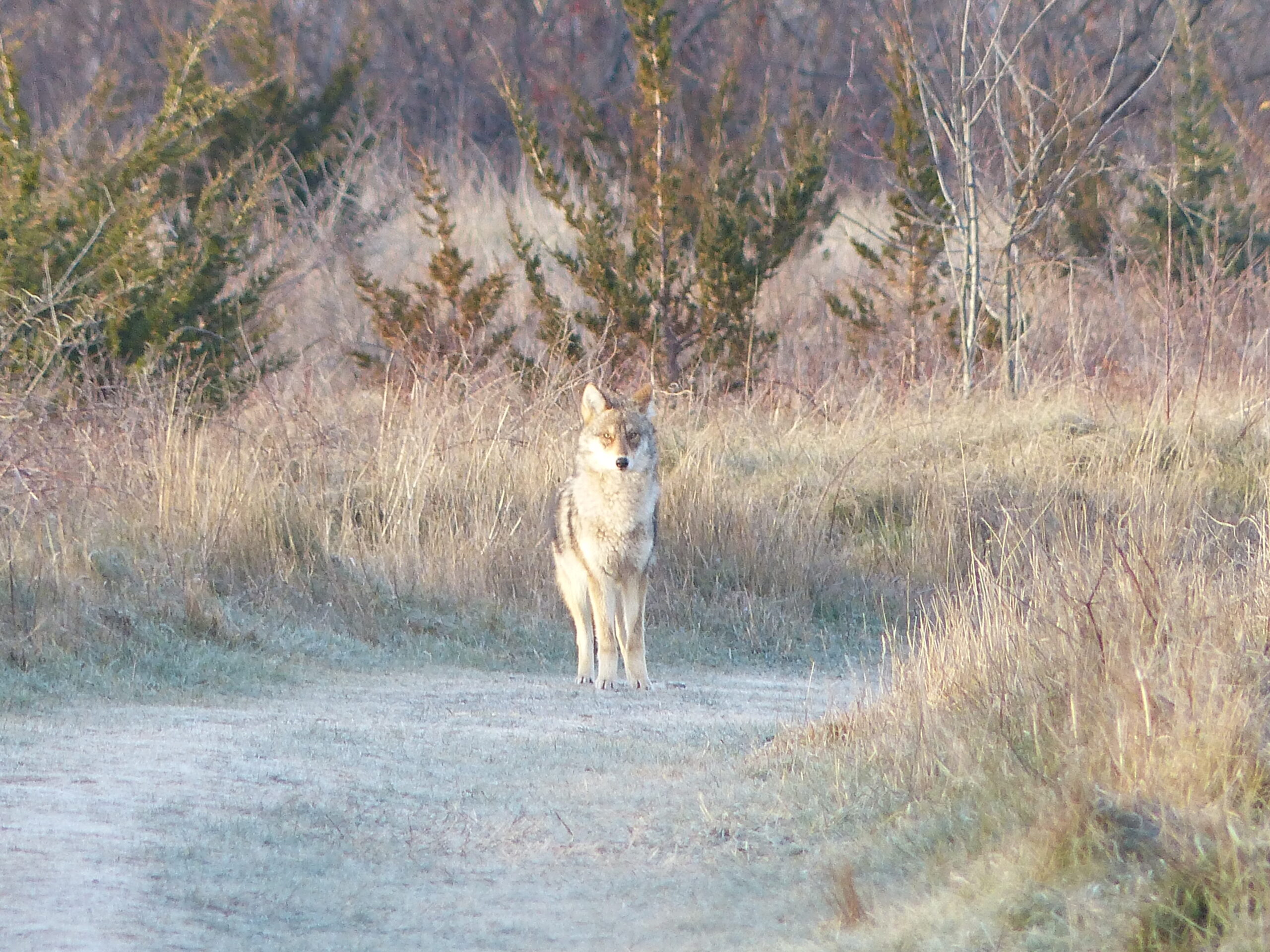
The coyote ambles down the middle of Chester Street
and I mistake it for its domestic cousins
but it’s stouter, a strange gray white,
directionless, undecided. My dog may know
it’s not a dog because he stares blankly back at it
without his temperamental bark and growl.
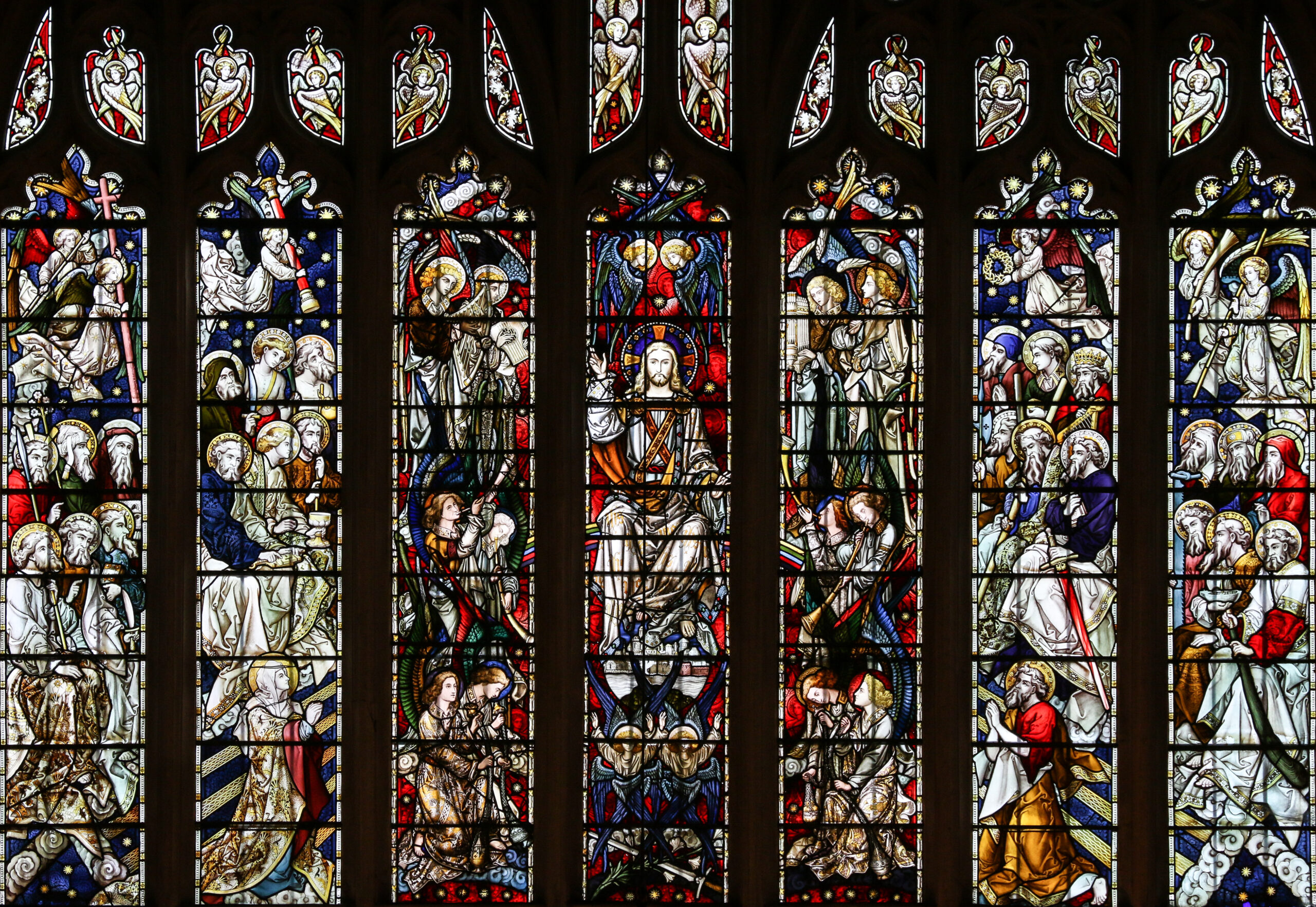
the killing, O they jubilate at it, the tsar,
a miter, a cross attached to it, on top of his head,
his announcement in the Cathedral of The Holy
Armed Forces he will cleanse the world
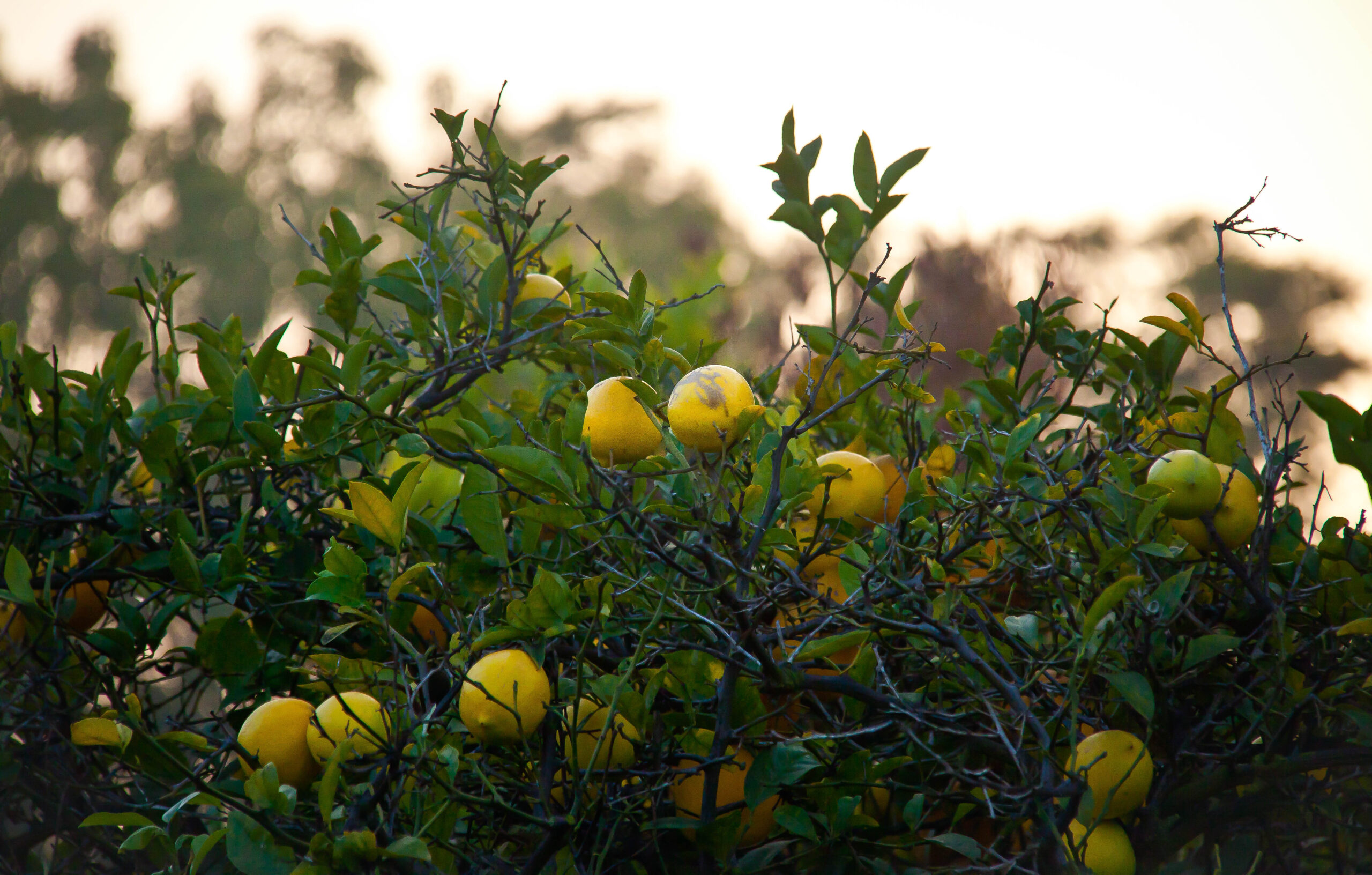
In 1976, when I was eight years old, my Korean American father, a produce wholesaler and former farmworker, decided to become a full-time farmer. My Japanese American mother, descended from a long line of farmers and farmworkers, wanted it too. They had spent their childhoods dreaming of a home on the land, so we moved from Los Angeles to a tenant farm thirty-five miles away.
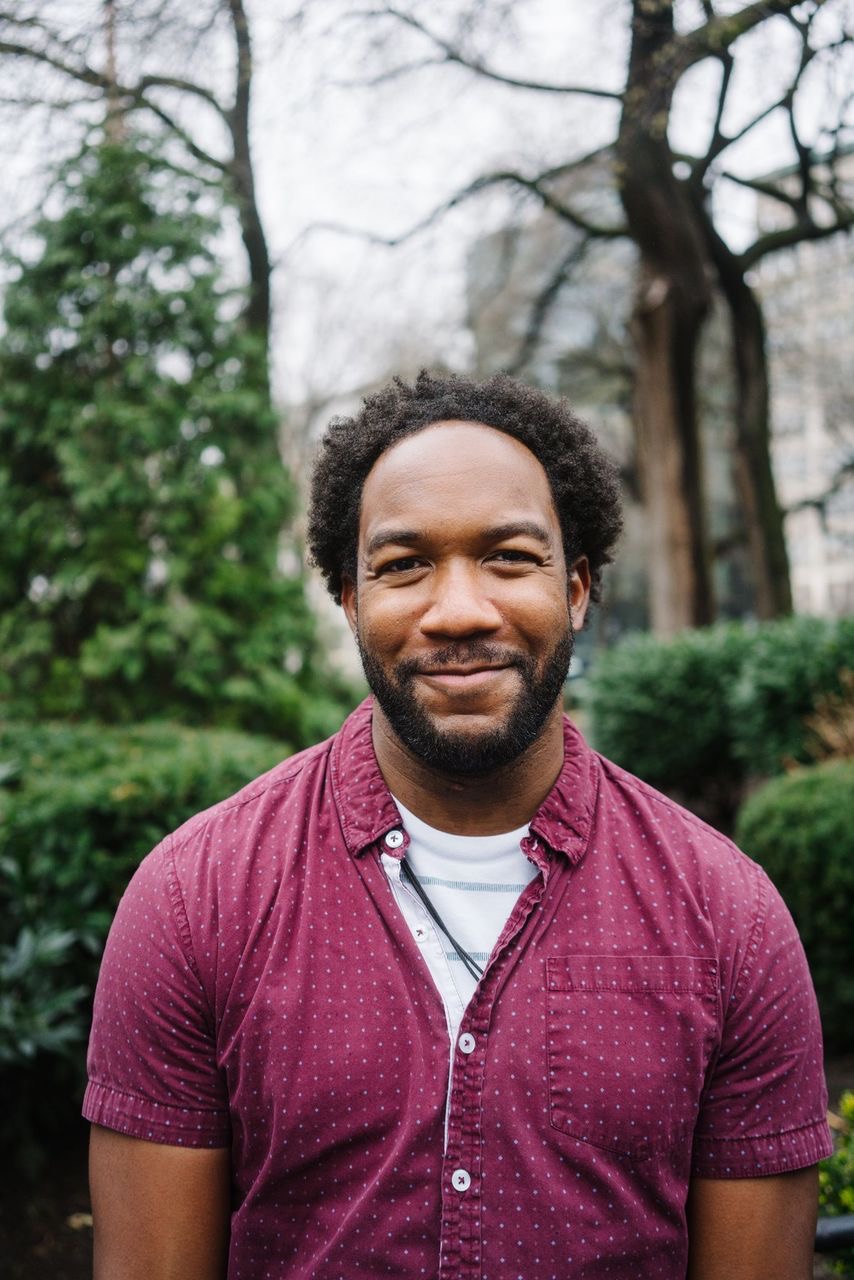
Winner of the 2023 DISQUIET Prize for Poetry
I’ve been negotiating my fears with speaking.
After a life of being half-heard;
after half a life of being unheard, I now think of the chaos
I avoided in this abstinence. In some stories Jesus
is not the fool, keeping himself
to himself, knowing only God knows
Don’t miss an issue! Subscribe to The Common.