By LAURA MAHER
When people speak of my city’s river, they say: declined. What they mean is: dry. Only modern cities can survive on the promise of water. Early people settled just east of the river, on the then-fertile floodplain that offered easy access to water, mud, fish, grasses, all the necessary components to forge a life in the desert. In the summer, I imagine cool breezes.
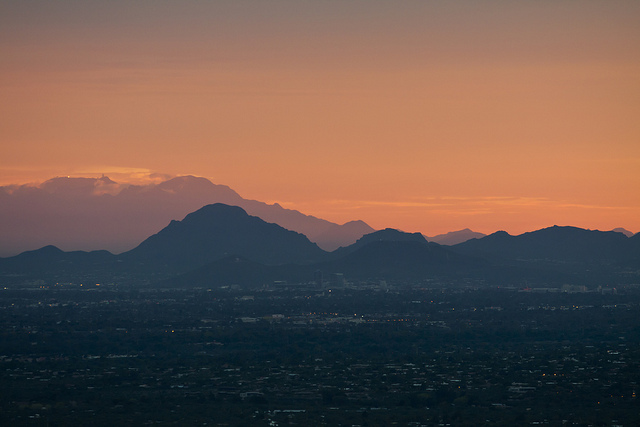
Tucson lies in a valley between four mountain ranges, so each range becomes a landmark. A trained eye can decipher a way through the desert using these mountains alone, though this eye will also see the lines of cottonwood trees, will find where water runs silently underground—the Santa Cruz River (translation: “Holy Cross”) long buried under a bed of pummeled stone, sand, bits of mica.


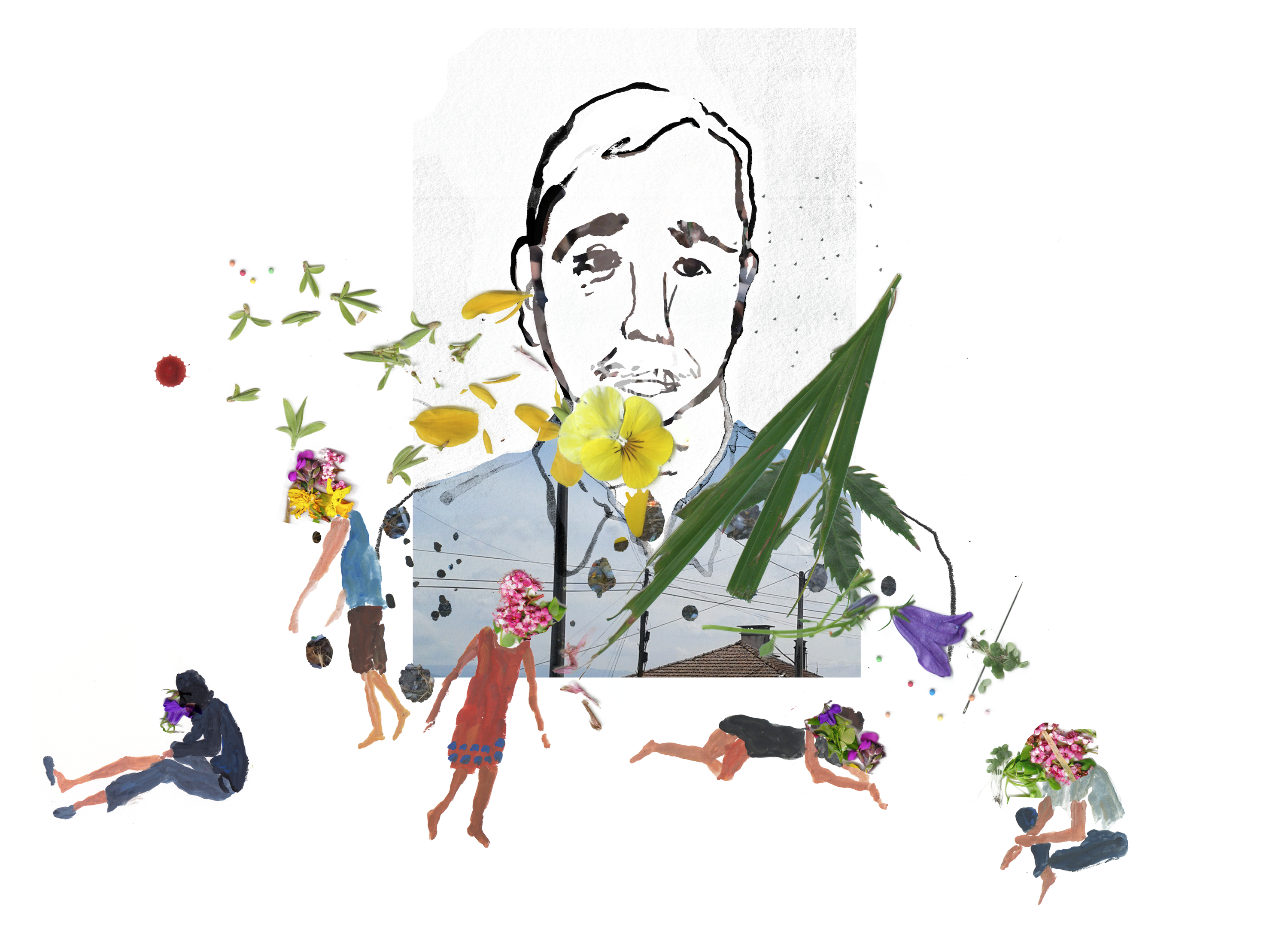
 When the drugs came, they hit all at once. It was the eighties, one in ten residents slipped into the deep of heroin addiction—bankers, university students, carpenters, socialites, miners—and Portugal fell into a panic.