A story is an offering—
something with a bright, burstable skin and tender flesh.
Whenever my mother gives me one of her stories, I watch her cut into it, lay it out for me in a way I can consume, in a way she can bear.


A story is an offering—
something with a bright, burstable skin and tender flesh.
Whenever my mother gives me one of her stories, I watch her cut into it, lay it out for me in a way I can consume, in a way she can bear.
By RO SKELTON
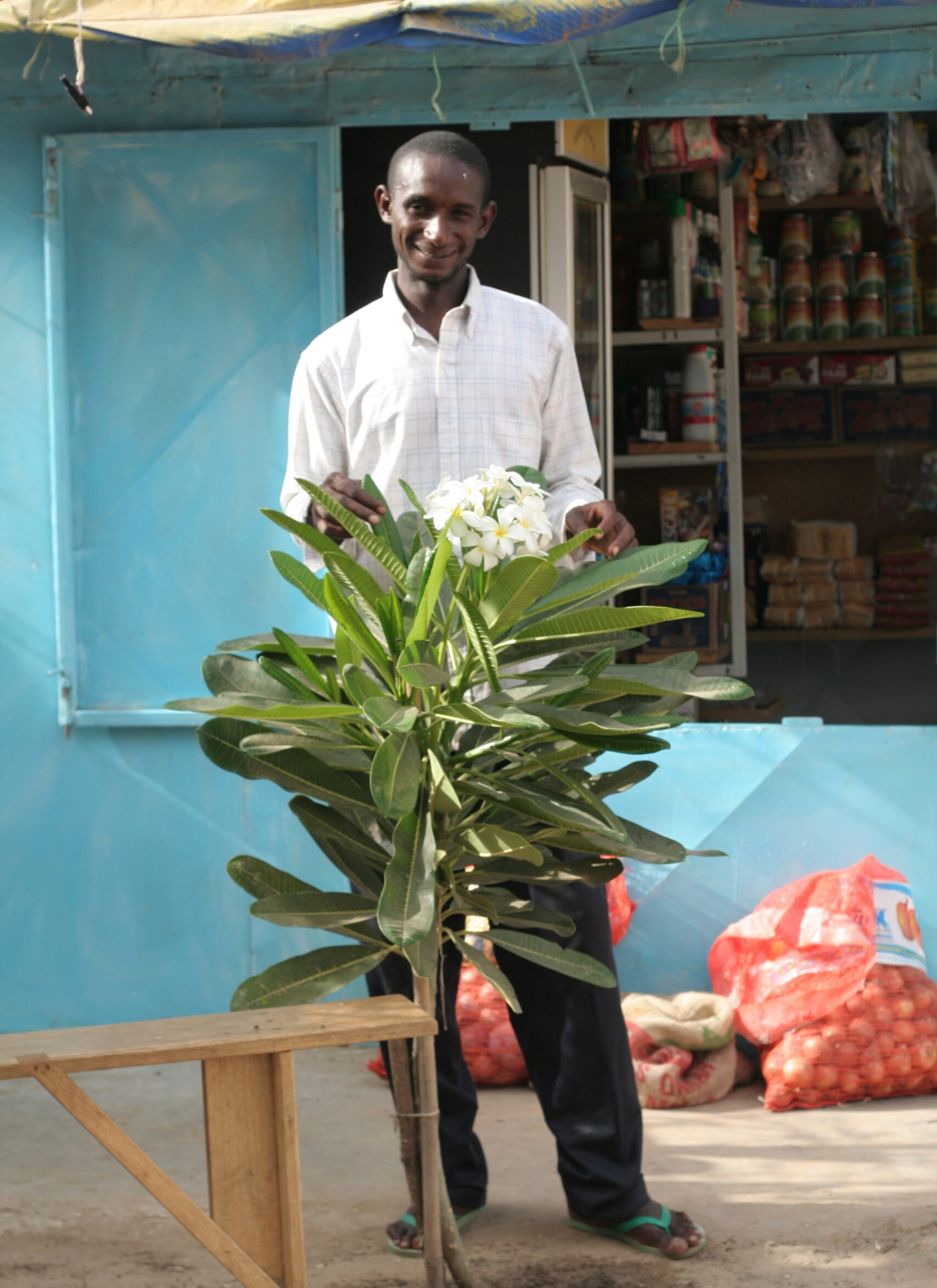
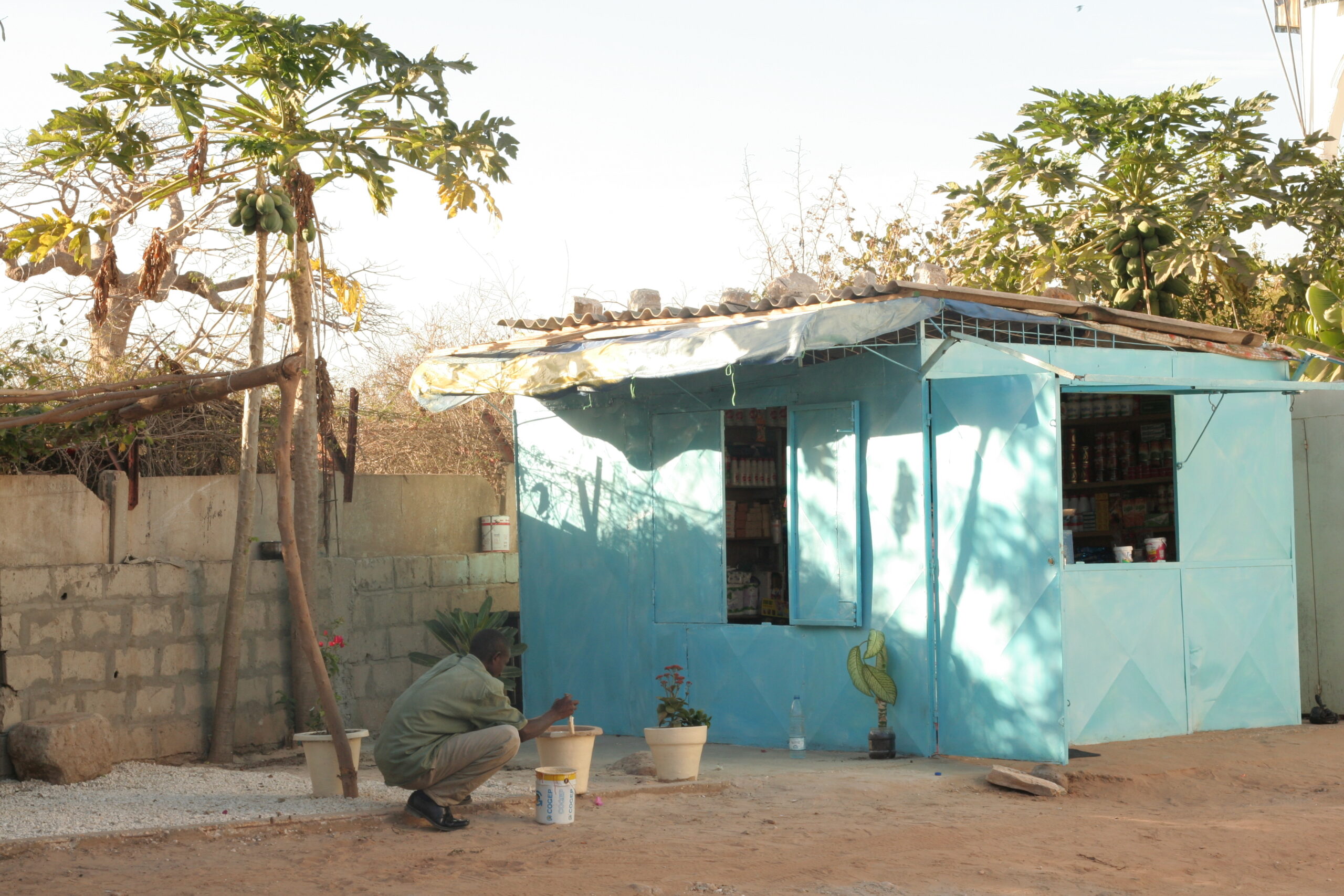
The first apartment that I lived in in Dakar was brand new and backed onto the far end of the airport runway, so that from my bedroom window I had a distant view of the ocean and of a vast baobab tree silhouetted against the hazy Saharan sky. The neighborhood––modest two-story family homes and the occasional new building like mine––was as far out of town as taxis would go, and even then they would refuse to take me the whole way, grumbling as they dropped me at the entrance to the neighborhood, so that I had to walk the rest of the way to my apartment along a potholed, sandy road.

By EMILY NEMENS
She was running along the Manhattan side of the East River—this was in the bucolic “before” times, prior to when the city tore up the East Village’s riverside park, chucking its eighty-year-old trees and modernist amphitheater and ebullient perennial flower beds in the name of future flood mitigation—when she felt a curtain being snapped up the back of her left calf, krrrrrik! More lightning than pain. At first. Then, it became very painful. A hot pain that ran an invisible line down the meat of her calf, like those sexy stockings with seams, but the seams had turned carnivorous and were nibbling at her flesh with tiny razor teeth. Running farther, even slow-jogging the 1.3 miles home, was out of the question (her mental math: more pain multiplied by less time in transit, or less pain times more minutes; the latter had the lower sum), so she slowly limped back from the river, putting as little weight on her left foot as possible. She wondered what she would do.
Don’t miss an issue! Subscribe to The Common.