Reviews

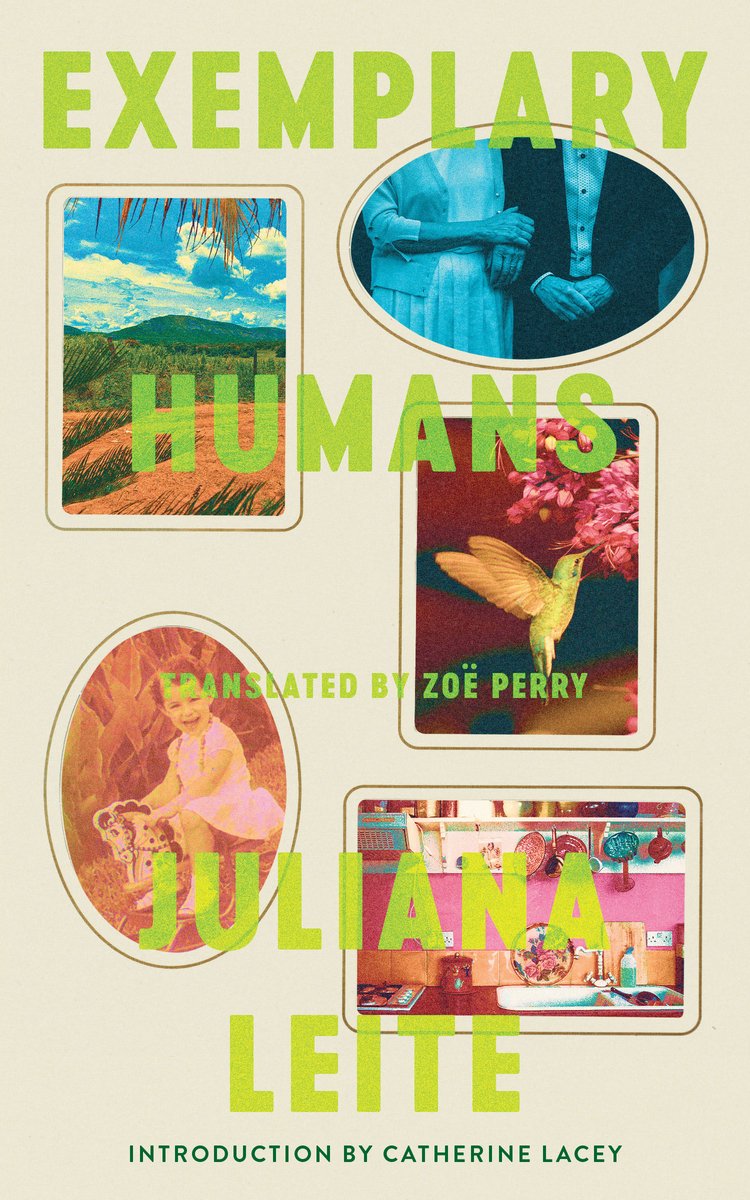
Book Review: Exemplary Humans

By JULIANA LEITE
Translated by ZOË PERRY

Reviewed by JAY BOSS RUBIN
Book cover of Exemplary Humans

In the opening chapter of this subtle epic, the centenarian narrator Natalia confides: “At this point in life, I’d say that going on forever or for too long is a bad decision, a very bad one; what’s nice is to exist and then stop existing, to exist for a while and then be able to change the subject.” In other words, if the transition between life and death is an abrupt one, then so be it. “[L]et’s be done with it,” she says, “though it would be nice to have the time to spritz on some perfume beforehand.”

When I first encountered this sentiment in Juliana Leite’s Exemplary Humans, translated from the Portuguese by Zoë Perry, I took it be a bit of a bluff. It reminded me of a bumper sticker I saw a couple of years ago in Portland, Oregon, that read: “I ♥ AGING & DYING” (which I interpreted as an existentialist rejoinder to proclamations of commercial allegiance—“I ♥ Mr Plywood” and so on—so common in my hometown). But by the end of Leite’s novel, which takes place primarily in Rio de Janeiro and Petrópolis, Brazil, and spans that country’s lengthy dictatorship, I was convinced that Natalia’s breezy acceptance of her own mortality was absolutely serious. It is not only possible, but strongly advised to love aging and dying. It isn’t easy, though. To transcend dread, and transform it into something more palatable, a unique kind of emotional intelligence is required, and so is a talent for adjusting one’s perspectives. Natalia is the novel’s exemplar of both these qualities.
Book Review: Exemplary Humans
Read more...

Review of Pastorals by Rachel Hadas

By RACHEL HADAS

Reviewed by REEVE LINDBERGH

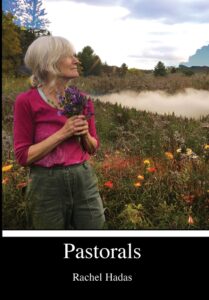
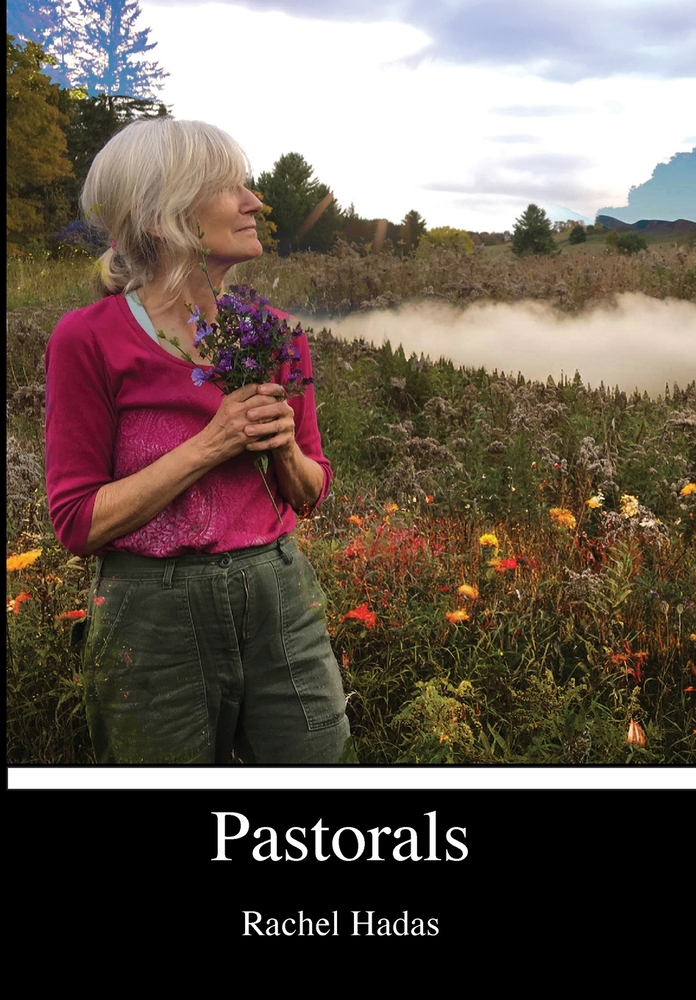
Book cover of Pastorals by Rachel Hadas

Rachel Hadas is a close friend, someone I have known since the early 1970’s, and a summer neighbor in rural Vermont. She lives in a house that has belonged to her family, one generation following the other for many decades. Her new book, Pastorals, is an exquisitely written collection of brief reflections and meditations essentially but not exclusively centered on the house.

“Can one feel nostalgic for the present, especially when it’s layered so palpably over the past?” The writer asks herself this at the beginning of the book. Within the present as she lives and writes are the unseen presences of those who have visited or inhabited the same dwelling in the same place. They are not exactly ghosts but instead “the presence of an absence,” something Hadas feels at odd moments indoors or out: while going up the stairs; in the midst of picking blackberries on the hill; on the way down the dirt road to the mailbox. She likens these “seasonal phantoms” in her summer house to the ghosts in Walter De La Mere’s poem “The Listeners,” a poem that had puzzled but did not frighten her when she read it as a child. Readers of Pastorals will learn quickly that Hadas’s memory is filled with the poetry and prose of every age and nation along with her own beloved family ghosts.

Review of Pastorals by Rachel Hadas
Read more...

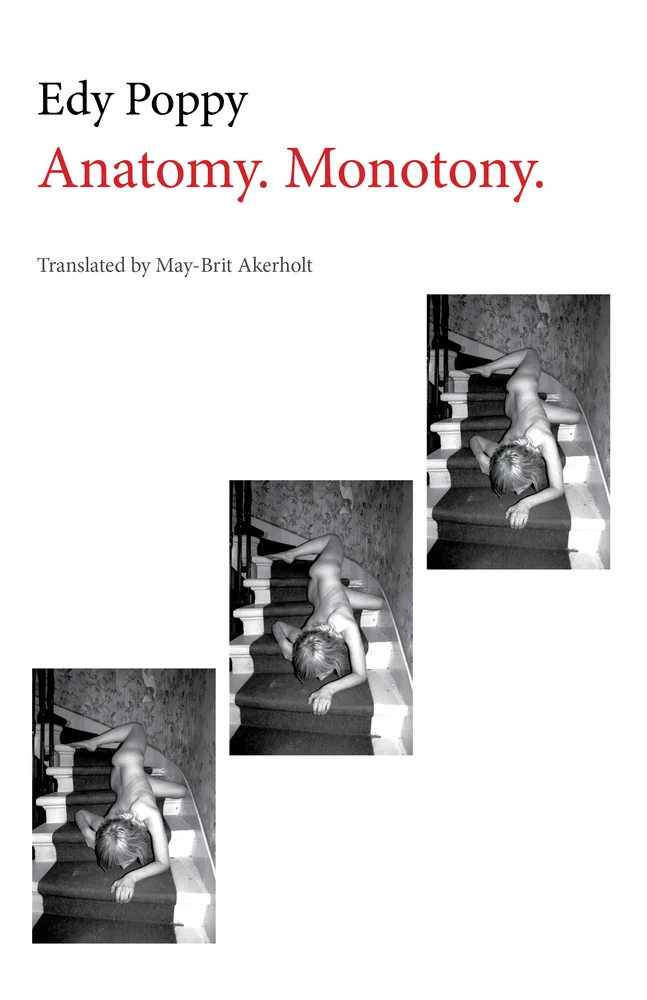
The Art of Unsettling: The Complexities of Freedom and Fidelity in Edy Poppy’s Anatomy. Monotony.

By EDY POPPY

Reviewed by BRITTA STROMEYER


“For my husband, who has given me everything, even what I didn’t want. (He’s now my ex-husband.)” reads the dedication in Edy Poppy’s award-winning and spicy debut novel Anatomy. Monotony. It’s an irresistible hook, inviting the reader into a novel that explores the author’s experiences in an open marriage, the evolving sense of place as a search for identity, and the adventure and challenges inherent in the act of writing itself:

“I want to write about the people, the loneliness, and the language here. I feel at home but I’m a stranger, don’t belong, can’t express what I truly feel.”

The Art of Unsettling: The Complexities of Freedom and Fidelity in Edy Poppy’s Anatomy. Monotony.
Read more...

Review: Stories From the Edge of the Sea

By OLGA ZILBERBOURG

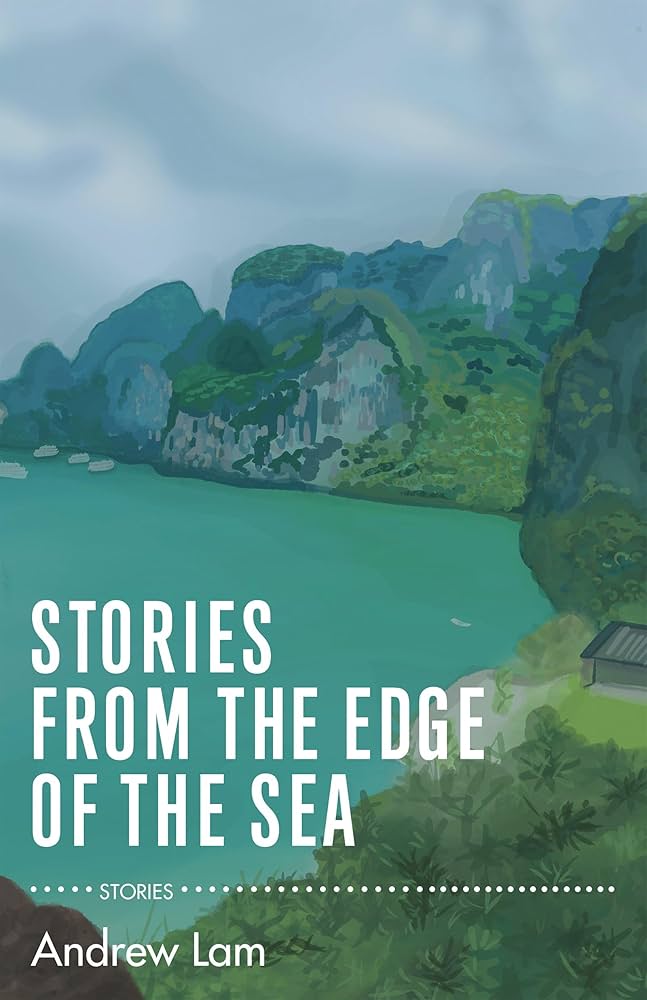
Book cover of Stories from the Edge of the Sea

Many fiction writers aspire to mastery of the short story form. From commercial offerings such as the “MasterClass” online series to college curricula, we are taught techniques to create a strong character and a plot leading to a resolution. The goal? “To uncover a single incidence or series of linked incidents, aiming to evoke a single effect or mood from the reader,” as phrased by Sughnen Yongo writing for Forbes. I’m convinced that this conventional attitude that expects singleness from the short story is selling it short.

In his latest collection Stories from the Edge of the Sea, Andrew Lam delivers work far beyond that narrow definition of the form. The settings are complex. Even a five-page story can encompass several decades of a character’s life. Though many pieces focus on a single protagonist, often the cast of characters is big enough for a multigenerational saga. Sometimes, the perspective shifts unexpectedly from one character to another across time and space, and in other stories a first-person narrator’s voice that begins a story disappears and the story continues in the third person, as though looking over the shoulder of the earlier first-person narrator. The emotional effects of these fourteen stories are layered; they leave us with no easy truths, but push us away from stable shores into the stormy seas of human experience.

Review: Stories From the Edge of the Sea
Read more...

What We’re Reading: September 2025

Curated by KEI LIM

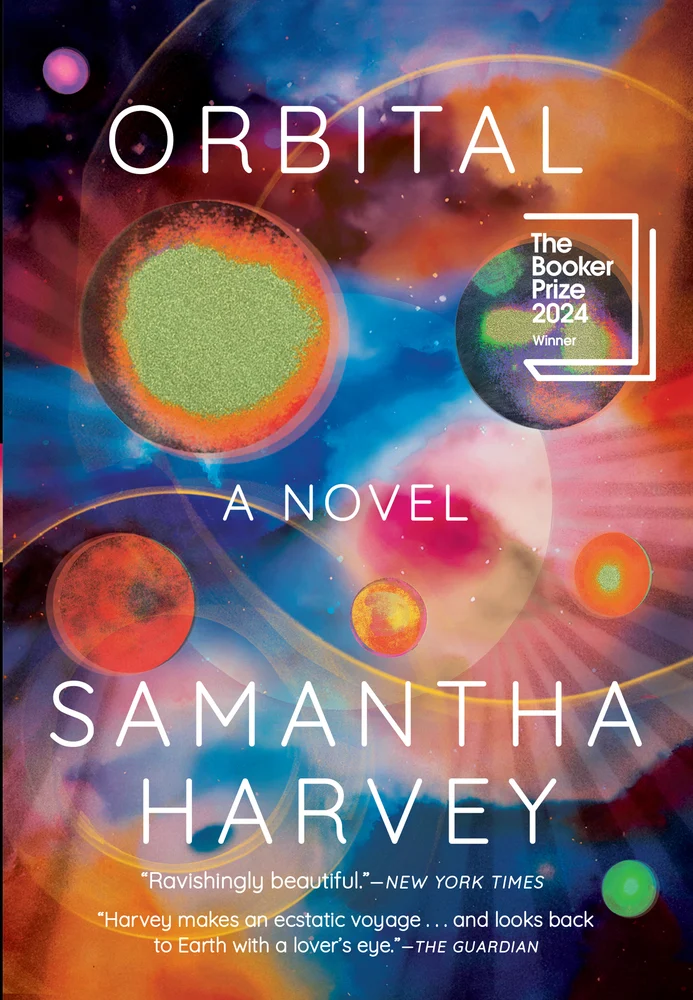
This month’s picks span extraordinary circumstances, yet tug at the rather ordinary, or perhaps most relatable, of emotions. AFTON MONTGOMERY recommends an investigative nonfiction book that interrogates people’s relationships to forever chemicals, VICTORIA KELLY recommends the 2024 Booker Prize Winner that abandons plot and follows a 24-hour period of astronauts orbiting Earth, and MONIKA CASSEL recommends a docupoetics collection that weaves the emotional aftermath of the Vietnam War with the defiance of women throughout history and literature.


What We’re Reading: September 2025
Read more...

What We’re Reading: August 2025

Curated by KEI LIM

The summer months for The Common’s staff have been filled with wandering, around Western Massachusetts and beyond. Throughout this wandering, we’ve carried books which roam themselves, where relationships parallel the movements of the landscapes they traverse. Editorial Assistants BEN TAMBURRI, LUCHIK BELAU- LORBERG, and CLARA CHIU, and Applefield Fellow AIDAN COOPER recommend three novels and a poetry collection which brought them solace during these long, sweltry days.

Cover of Willa Cather's O Pioneers!

Willa Cather’s O Pioneers!, recommended by David Applefield ’78 Fellow Aidan Cooper 

Anyone who knows me knows I can’t stand audiobooks. There’s something about the pace or the performances that irks me, or maybe it’s something about being slightly insoluble in the story, while I drive, or fold laundry, or task my hands with whatever it is that isn’t turning a page. For me, reading has always been about following and, more importantly, re-following where the words before me lead; I flip here and there, underline and annotate, and generally meander through and indulge in the language’s turns. But because this summer has been one interwoven with travel, tugged along by the two yellow lines in our potholed New England roads, I decided (betraying my brand) to put O Pioneers! by Willa Cather through my car radio.

What We’re Reading: August 2025
Read more...

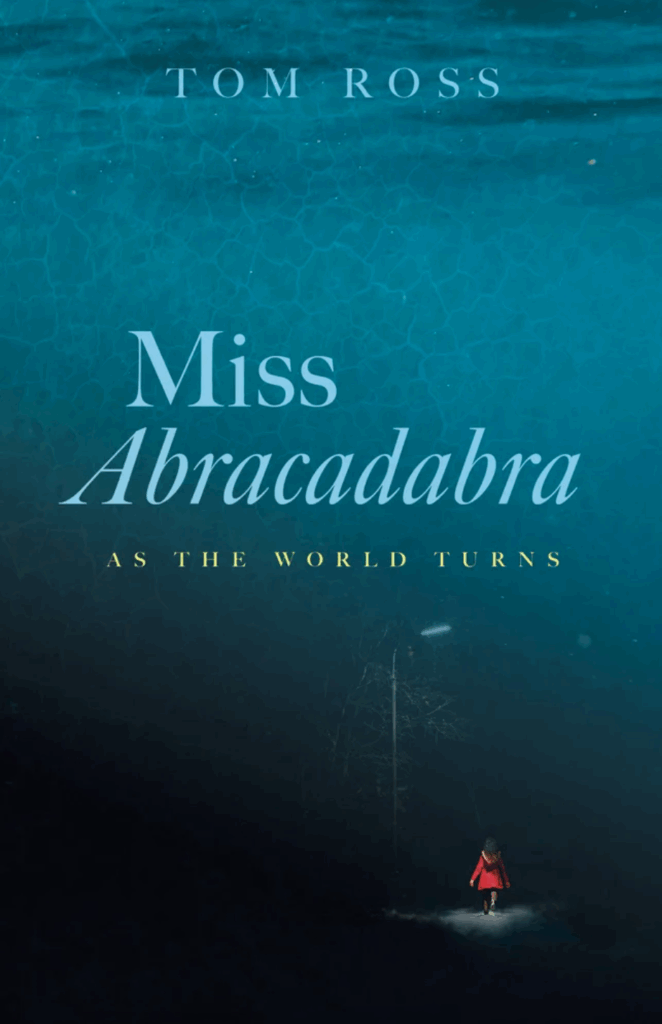
Magic Sentences: A Review of Miss Abracadabra

By TOM ROSS
Review by TERESE SVOBODA

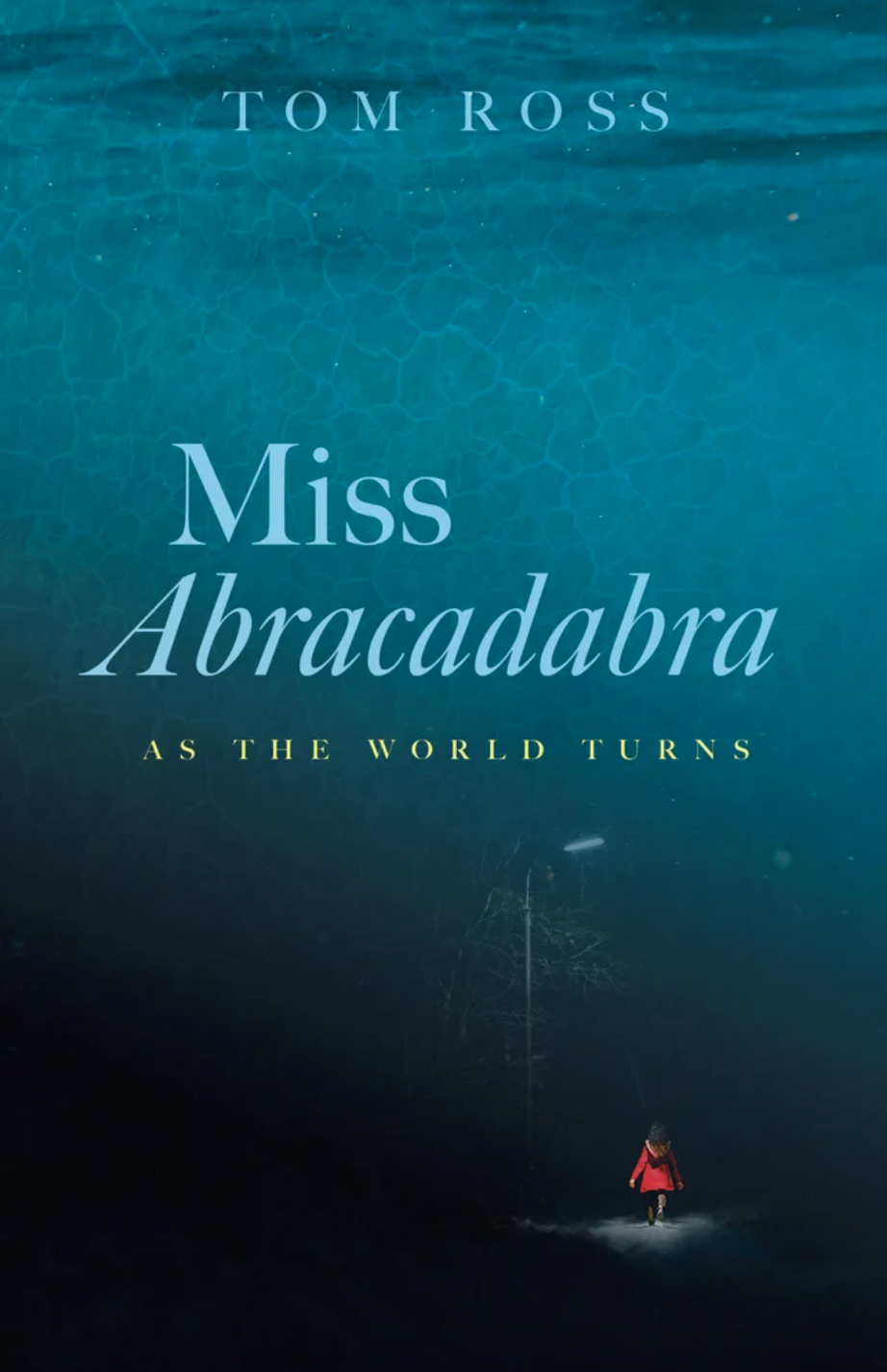
Cover of Tom Ross's Miss Abracadabra

My copy of Miss Abracadabra is appallingly dogeared in my attempt to mark its most exquisite parts. Although amazed to discover that this is Tom Ross’ debut novel, I am not surprised that the venerable Deep Vellum published it. Miss Abracadabra is only the second novel they’ve taken on in twelve years that’s not a translation. What magic did Miss Abracadabra conjure to convince them?

Magic Sentences: A Review of Miss Abracadabra
Read more...