On Their First Date

By DIANA KEREN LEE

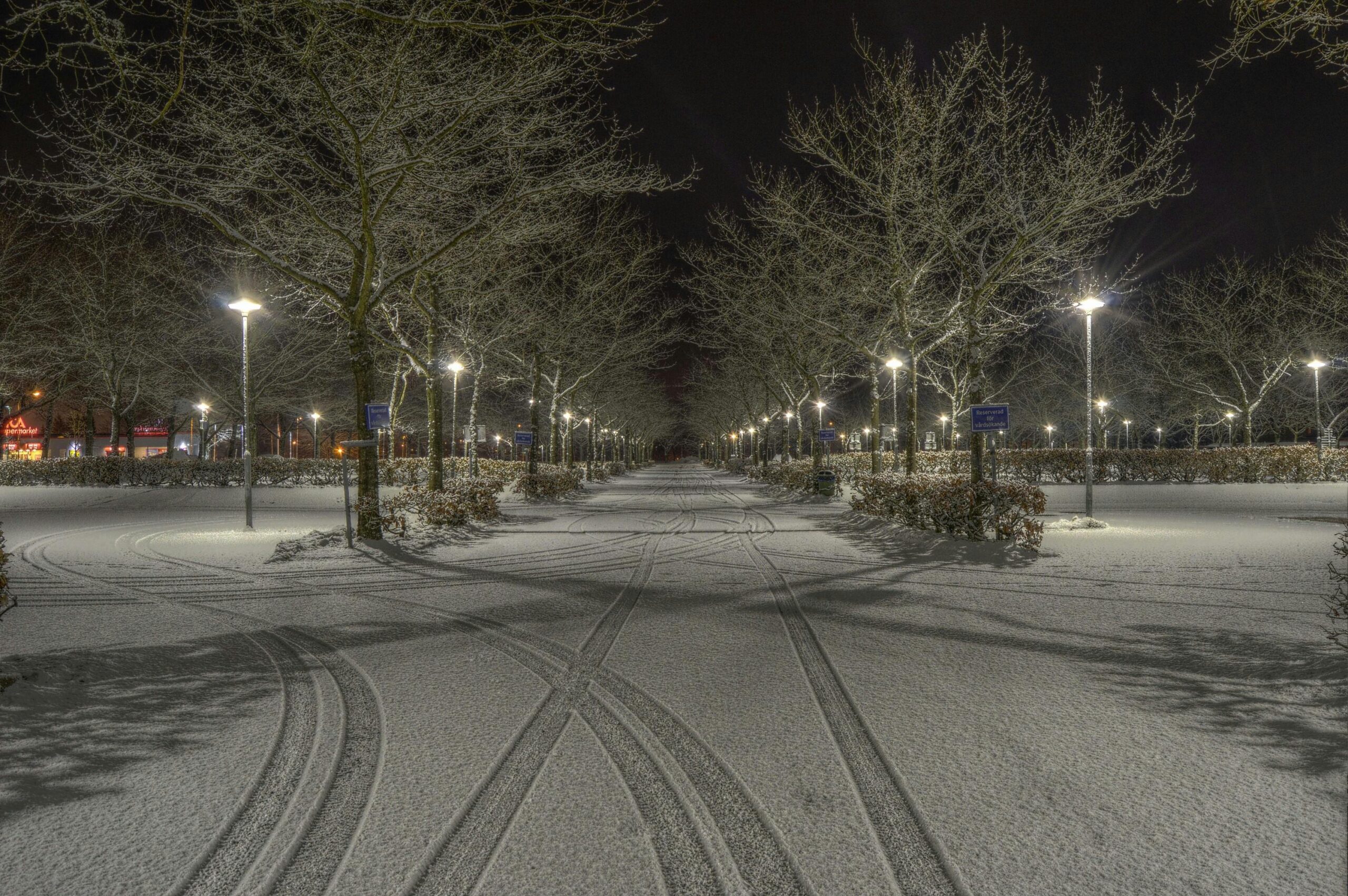
My parents walk hand in hand through the snow in Seoul.
Instead of flowers, my dad brings a dozen doughnuts.
As fires burn halfway around the world.

Connect the dots between each falling flake.
My brothers and I were born, making five of us—
a star, a line that returns to where it began.

The way to a woman’s heart is through her stomach,
through her hopes and dreams, a hole.
She belly-laughs when he pops through the open roof
of the bus that won’t hold his whole frame.

Crumbs of snow we hold onto to keep the path clear,
subtitles accumulating as they embrace.


[Purchase Issue 30 here.]


Diana Keren Lee is a Poetry Society of America Chapbook Fellowship winner and a National Poetry Series finalist. Her work has appeared in Boston Review, The New Republic, Prairie Schooner, Wildness, and elsewhere, and she has received support from MacDowell and Yaddo. Born and raised in Austin, she lives in Colorado.

From the beginning, The Common has brought you transportive writing and exciting new voices. We are committed to supporting writers and maintaining free, unrestricted access to our website, but we can’t do it without you. Become an integral part of our global community of readers and writers by donating today. No amount is too small. Thank you!

On Their First Date

Related Posts

November 2025 Poetry Feature: My Wallonia: Welcoming Dylan Carpenter

DYLAN CARPENTER
I have heard the symptoms play upon world’s corroded lyre, / Pictured my Wallonia and seen the waterfall afire. // I have seen us pitifully surrender, one by one, the Wish, / Frowning at a technocrat who stammers—Hör auf, ich warne dich! // Footless footmen, goatless goatherds, songless sirens, to the last, Privately remark—

Nails, Tooth, and Tub

TOLA SYLVAN
And, what’s more, they are painted with tiny small yellow and white dots, which, if you looked closely, invading her intimacy, you might discern to be daffodils, daylilies, daisies, or rose. They are feminine, no matter what. They say: here is the outside of myself, my hardshell exterior, with its wily and yet decipherable messages.

Corazon

ISABEL CRISTINA LEGARDA
The cemetery had inhabitants, and not just those whose descendants had laid them to rest. Two old men were living on the Ordoñez plot. Next to the abandoned Llora mausoleum, a family of four had pitched their makeshift tent. As more squatters crept in, to whom the administrators of the Cementerio de Manila turned a blind eye.