Pastoral Resistance

By ROB SPILLMAN

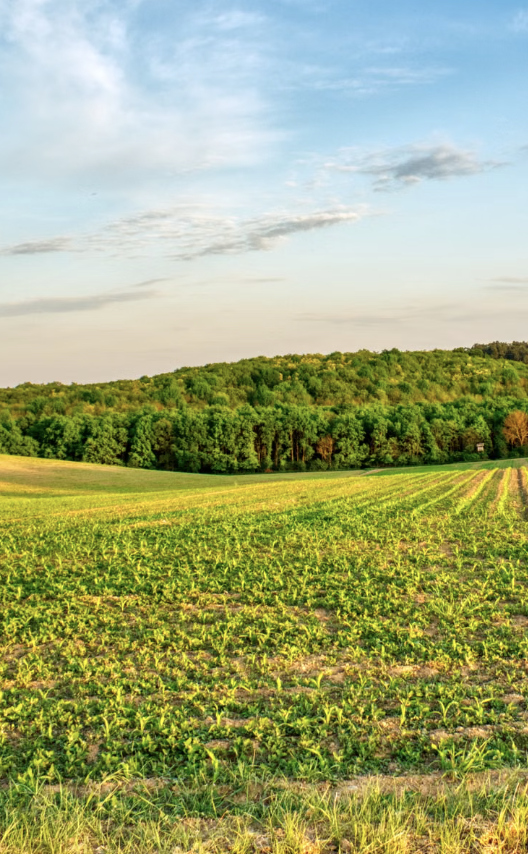
Dogs in Meadow
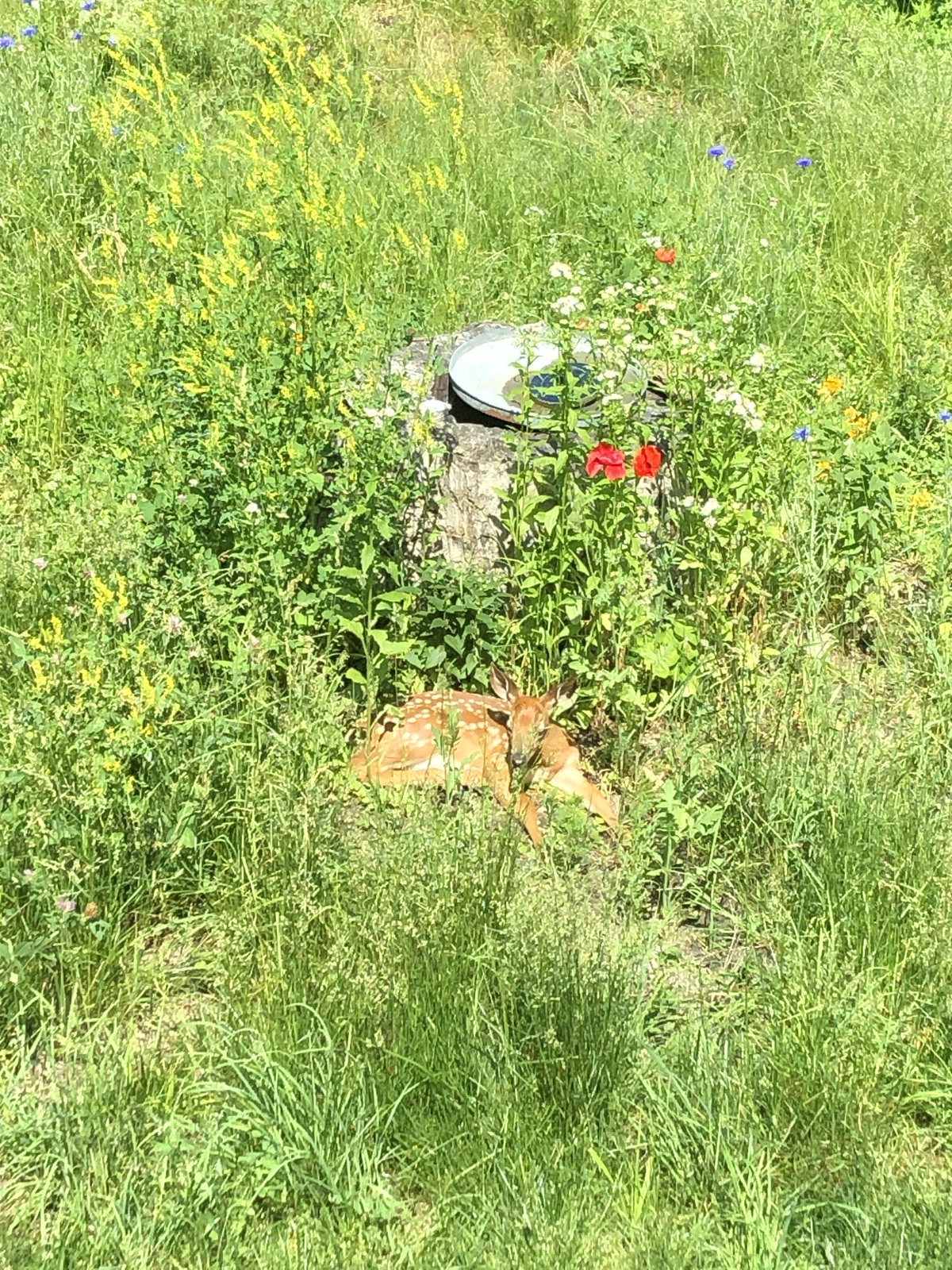
Deer in Grass


Catskill, New York

A fair friend resists the pastoral,
insisting glacier collapse fire tornado sixth
extinction privilege the privilege of writing
about a peaceful wood walk. Walking in the
woods, I resist as well, as well. A sudden freeze
after the first hopeful warmth has silenced
the peepers. The resident red-shouldered hawks
have ripped apart another guinea fowl, its speckled
black and white feathers in a neat circle
in the bare winter wheat field, no trace
of blood or body. The dog is bored by feathers,
dashes after gleaning robins and burrowing
field mice, far from the Russian bus shelter
where she was found, far from her Brooklyn
youth. We’ve fled together, to the pastoral, to
walk the woods and fields, to plant blight-
resistant American Chestnuts and Catskill-
native flowers and ferns. If we burn or
are swept away, we will do so with muddy
paws, witnessing until the last pastoral page. 


Rob Spillman co-founded and edited Tin House Magazine from 1999 to 2019 and is the author of the memoir All Tomorrow’s Parties from Grove Press.

From the beginning, The Common has brought you transportive writing and exciting new voices. We are committed to supporting writers and maintaining free, unrestricted access to our website, but we can’t do it without you. Become an integral part of our global community of readers and writers by donating today. No amount is too small. Thank you!

Pastoral Resistance

Related Posts

drawing of clocks, an eye, and a figure in a slant of light

Liminality in Occupied Spaces

NAGHAM ASAL
Liminality is often described as a transitional state, a threshold between what was and what will be. But in my experience, it is not temporary. It stretches. It settles. It becomes a condition of everyday life.

Birthday Cake with Candles saying "Happy Birthday"

Happy Birthday Marc Chagall 

MATTHEW LIPPMAN
It looked like my daughter getting older / and floating across the sky in a Chagall dream. / After last night I learned that Chagall always put goats in his paintings. / It took me long enough to figure this out even though I had known it all along. / That’s what we do with our paintings. 

A sunny agricultural field

Two Poems

LAKE ANGELA
They wouldn’t let me hold my boy. He was supposed to be / born in May, but he came two months early to the Alabama / backwoods. My husband’s hometown had scant electric, little / heat. That’s why Hurland had enlisted in the first place—to learn / to be an electrician, get enough to eat.