You Must Change Your Life

By SHARON DOLIN

                       —after Rilke 

Yours, still the hardest face to see—
even the mirror lies, with your image
in reverse. To see into your life  
you must look into the life of things:  

take this brass candelabra shaped 
into a circular set of stairs that, 
when lit, sees into you, seizes
hold of your brokenness and  

shows you all growth starts 
with a wound. Think of the earth 
in spring, split open by green shoots.  

Now think of the green in you
forcing its way up through routine
doubt into the blaze of the possible. 


[Purchase Issue 32 here.]


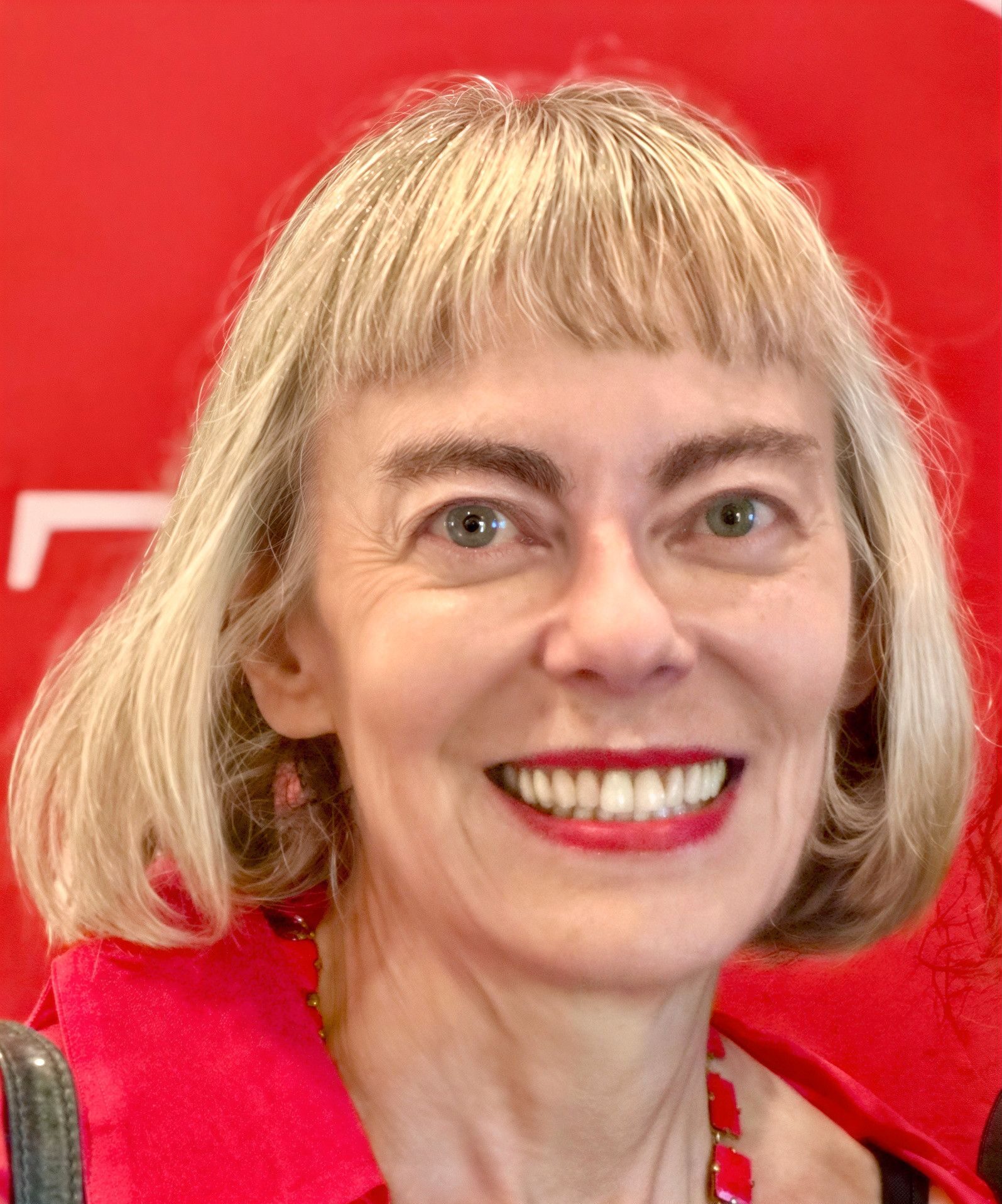
Sharon Dolin is the author of seven poetry books, most recently Imperfect Present; a memoir entitled Hitchcock Blonde; and two books of translation, most recently Late to the House of Words: Selected Poems, by Gemma Gorga. Her third book of translations, Voyage to the Center, will be published in 2027.

From the beginning, The Common has brought you transportive writing and exciting new voices. We are committed to supporting writers and maintaining free, unrestricted access to our website, but we can’t do it without you. Become an integral part of our global community of readers and writers by donating today. No amount is too small. Thank you!

You Must Change Your Life

Related Posts

For the Love of Loons

JAMES K. BOYCE
The human fascination with loons spans cultures and generations. For many who live in the north woods or spend their summers there, it has become a love affair. In 2025, the common loon was named “Bird of the Year” by the American Birding Association.

Headshot of Samuel Kolawole

Hyena Boys

SAMUEL KỌ́LÁWỌLÉ
The hyena boys came to Bonaventure, which was serendipitous, because he was used to avoiding the world before the world spurned him. For one, his white albino skin flecked with dark spots made him a regular target of mockery.

coffee with a spoon

If It Wasn’t for Heroin

AMIYA MORETTA
My Umatilla grandfather / who had one leg, lived down the road, / hobbled to her heroin loyally. / That’s how / my mom and dad, neighbors whose parents / were good friends and fellow addicts, / met as kids, played together / on Frieda Street, those mornings