When Hannibal was loose in Italy and could not be made to leave, the Romans did a strange thing. They consulted their books of prophecy, and the books told them to go get a mother.
All posts tagged: 2026
Two Poems
By LAKE ANGELA

Akron, Ohio and Opelika, Alabama
Grace: Sunday Services
As a girl in curls and white patent flats, I could criss-
cross worlds—Sicily and Ohio, steaming kitchen
and chilly study. I slipped through serving aperitifs and caffé
corretto, understood Sicilian but wasn’t meant to speak
Review: Fortress Besieged by Qian Zhongshu
By QIAN ZHONGSHU
Review by BEN TAMBURRI
Qian Zhongshu’s Fortress Besieged takes its namesake and epigraph from a French proverb: “Marriage is like a fortress besieged: those who are outside want to get in, and those who are inside want to get out.” The proverb foretells much about this acerbic novel, as its protagonist, Fang Hung-Chien, stumbles into and out of the lives of various women in Shanghai after returning from his years studying abroad in Europe.
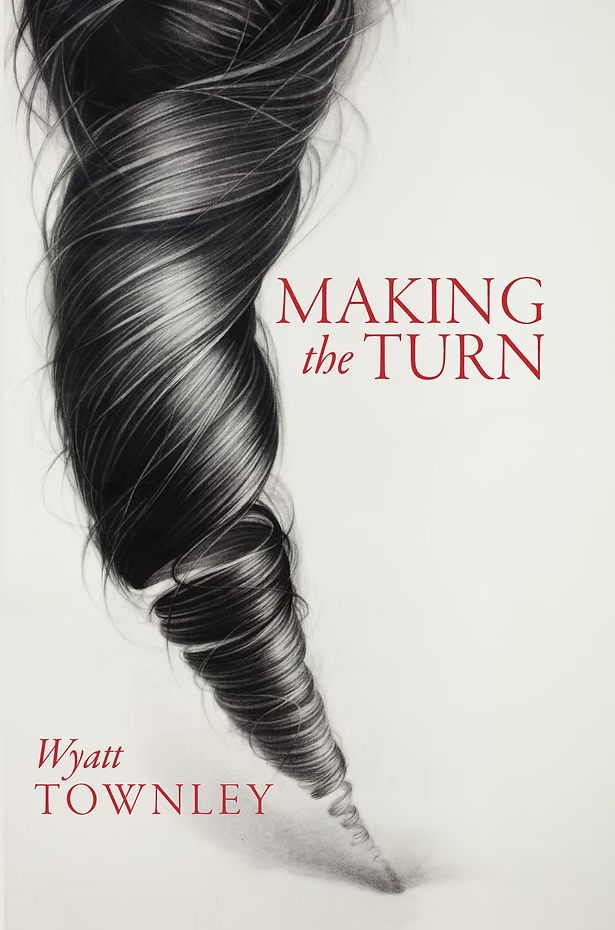
Dancing on the Ceiling: Meaning Movement in Wyatt Townley’s Making the Turn
By WYATT TOWNLEY
Review by AIDAN COOPER
Since it first found me in The Common’s Issue 28, I’ve been hypnotized by Wyatt Townley’s “Wedding Vows.” “Falling is an art,” she says, “we have fallen all the way here.” The poem delights in the homology of movement among everything twirling in the world. And now, in Townley’s latest book of poems, Making the Turn, “Wedding Vows” takes on a whole new twirling world to enjoy. In her fifth poetry collection, falling is an art that constantly recurs, redirects, and finds in the force of moving some give in gravity itself. You can fall forever and in any direction; every instance of being is always in flux. Townley writes, “as word by word you are led / to where you are now standing.”
Podcast: Liz DeWolf on “Ex Situ”
Transcript: Liz DeWolf Podcast.
Liz DeWolf speaks to Emily Everett about her story “Ex Situ,” which appears in The Common’s spring issue. The story follows an American living in Istanbul, navigating the end of a relationship, and the appeal and alienation of living abroad in a layered, complex city. She also discusses her process and revision methods, the themes she often returns to, and her work as a nonfiction book editor.
September 2026 Poetry Feature
This month, we’re pleased to bring you poems by BRIONNE JANAE, GRAY DAVIDSON CARROLL, and WILBERT TURNER III.
Table of Contents
- Brionne Janae, “You Got to Walk That Lonesome Valley”
- Gray Davidson Carroll, “Aubade, or Ars Poetica as Men”
- Wilbert Turner III, “Desperado Despair”

From left to right: Brionne Janae, Gray Davidson Carroll, and Wilbert Turner III.
YOU GOT TO WALK THAT LONESOME VALLEY
By Brionne Janae
~ after Mississippi John Hurt
and how did you go through it?
and did you keep? did you keep your mind?
you got to walk it for yourself
and on returning what state did you find it in?
as in what state were you in?
were you where you left yourself?
and who was left?
was anyone left?
and how sure were you that you could reach them?
Six Months After My Bell’s Palsy Diagnosis, I Consider the Meaning of ‘Fallow’ in Emily Dickinson’s Garden

Emily Dickinson Museum (house and grounds), Amherst, MA
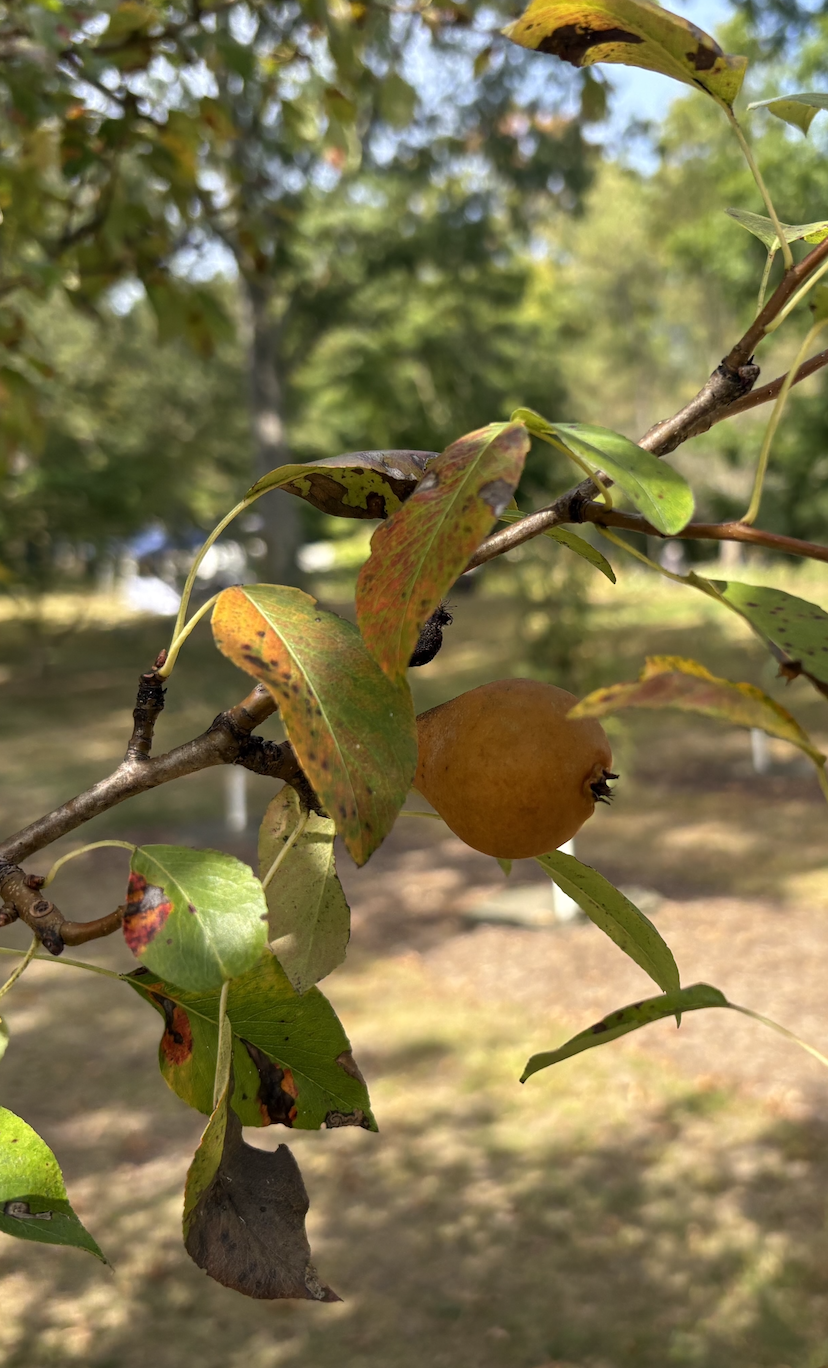
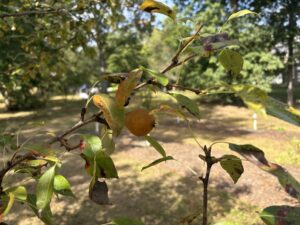
Half of Emily’s autumnal garden is sunlit at midmorning, but the little apple and pear trees in the orchard down the hill are shrouded in shadow, and I think of my face as equinox: how I woke last April to thorny vines in my neck coiling up my ear canal, with a numb tongue and drooping left lip and eye: a pox, a palsy on my seventh cranial nerve, inflamed and swollen in its bony channel, its roots and delicate capillaries choked off: Then Space – began to toll, // as all the Heavens were a Bell, / and Being, but an Ear…
Excerpt from What Clever Friends: The Selected Letters of Jane Kenyon and Alice Mattison
By ALICE MATTISON and JANE KENYON
Edited by CHAD WRIGLESWORTH
Introduction by Alice Mattison
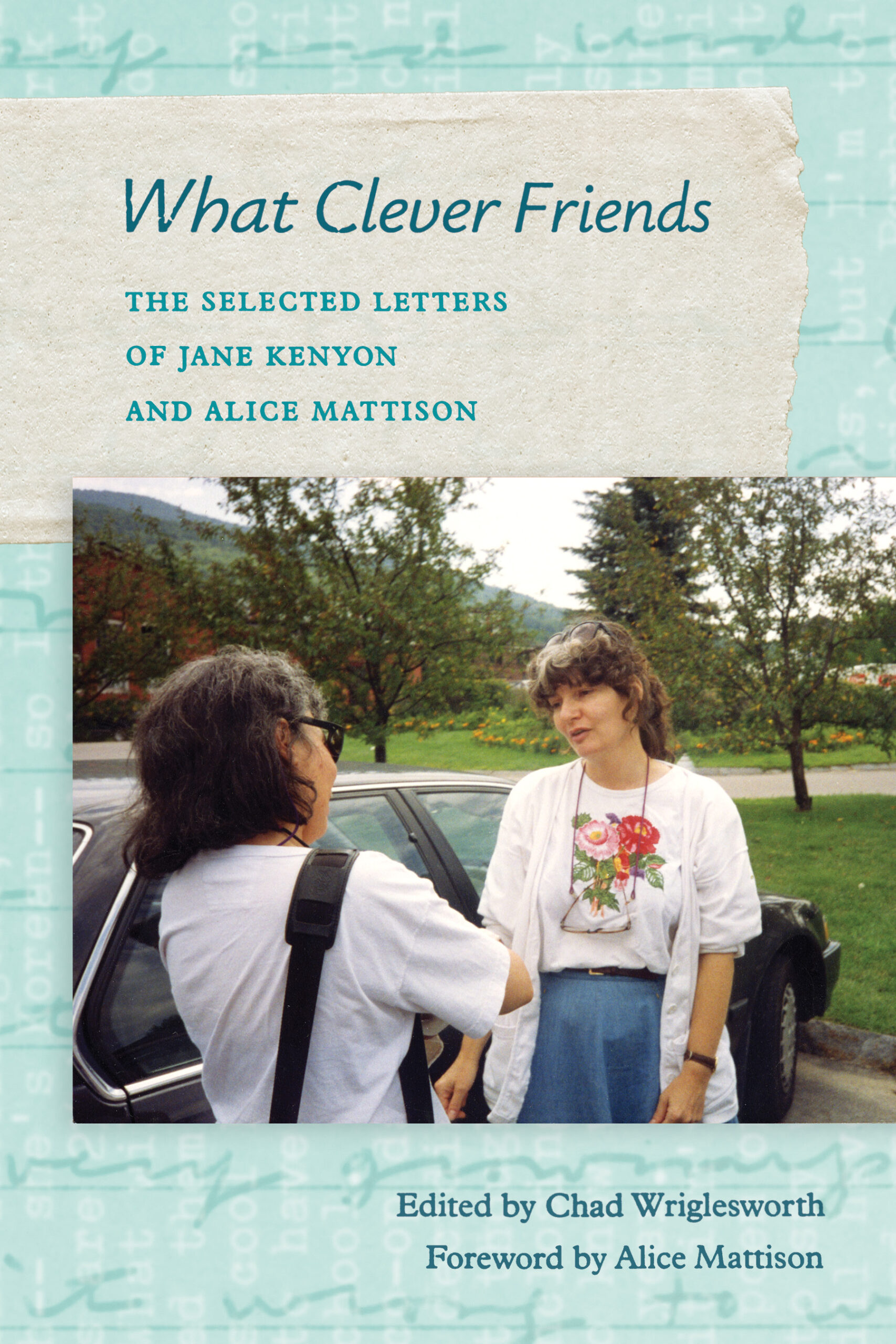
Jane Kenyon grew up across the road from a farm in Ann Arbor, Michigan. After she studied poetry with Donald Hall at the university there, they became friends and then married. He was from Connecticut, but had spent childhood summers on his grandparents’ farm in central New Hampshire. In 1975, Jane and Don went to live in that New Hampshire farmhouse.
After seeing a poem by Jane Kenyon, I ordered her first book, From Room to Room, published in 1978 by Alice James Books. At that time the press was in Cambridge, Massachusetts, publishing only New England poets, preferably women. It was a cooperative: the poets ran the publishing house with just one paid employee. Poets figured out policy, worked in the office, saw their books through the process of publication, and chose the next books to be printed.
I lived in New Haven, Connecticut, writing poems—sometimes stories—teaching part-time, looking after three small children. My husband, Edward, was a legal aid lawyer. When my own book of poems was chosen by Alice James in 1979, it was a particular thrill to meet Jane Kenyon. Putting in time at the office, we became friends.
The Post-Pulitzer Rush: Becky Siegel Spratford interviews Daniel Kraus

Daniel Kraus (left) and Becky Spratford (right)
DANIEL KRAUS sat down with longtime friend and colleague BECKY SIEGEL SPRATFORD to discuss his recent Pulitzer Prize for Angel Down, reflect on an unorthodox writing career, and share his experiences adapting novels for Hollywood.
Review: St. Ulphia’s Dead by By Scott Lambridis
By SCOTT LAMBRIDIS
Review by BRITTA STROMEYER
“If you want the truth, you must ask someone else. Someone like me, who’s been here, on this island, all along,” writes author Scott Lambridis in his dizzying and darkly humorous debut novel, St. Ulphia’s Dead. Addictive and deceptive, the novel demands the reader’s full attention—as nothing is quite what it seems.