
Altars and Flags

By KAREN CHASE

My windowsill, that skinny altar
above the kitchen sink, helps me
combine death with wind,
and air with birth—
fire, water, time, dirt.


Holy marble tag sale mule that looks Greek,
Holy fishing lure from Race Point,
Holy viburnum leaf.
3 holy photos of my father and me,
Holy wishbone,
Masada rock, Menemsha stone,
Holy tin of pimenton,
Ganesh festooned by holy Solomon.

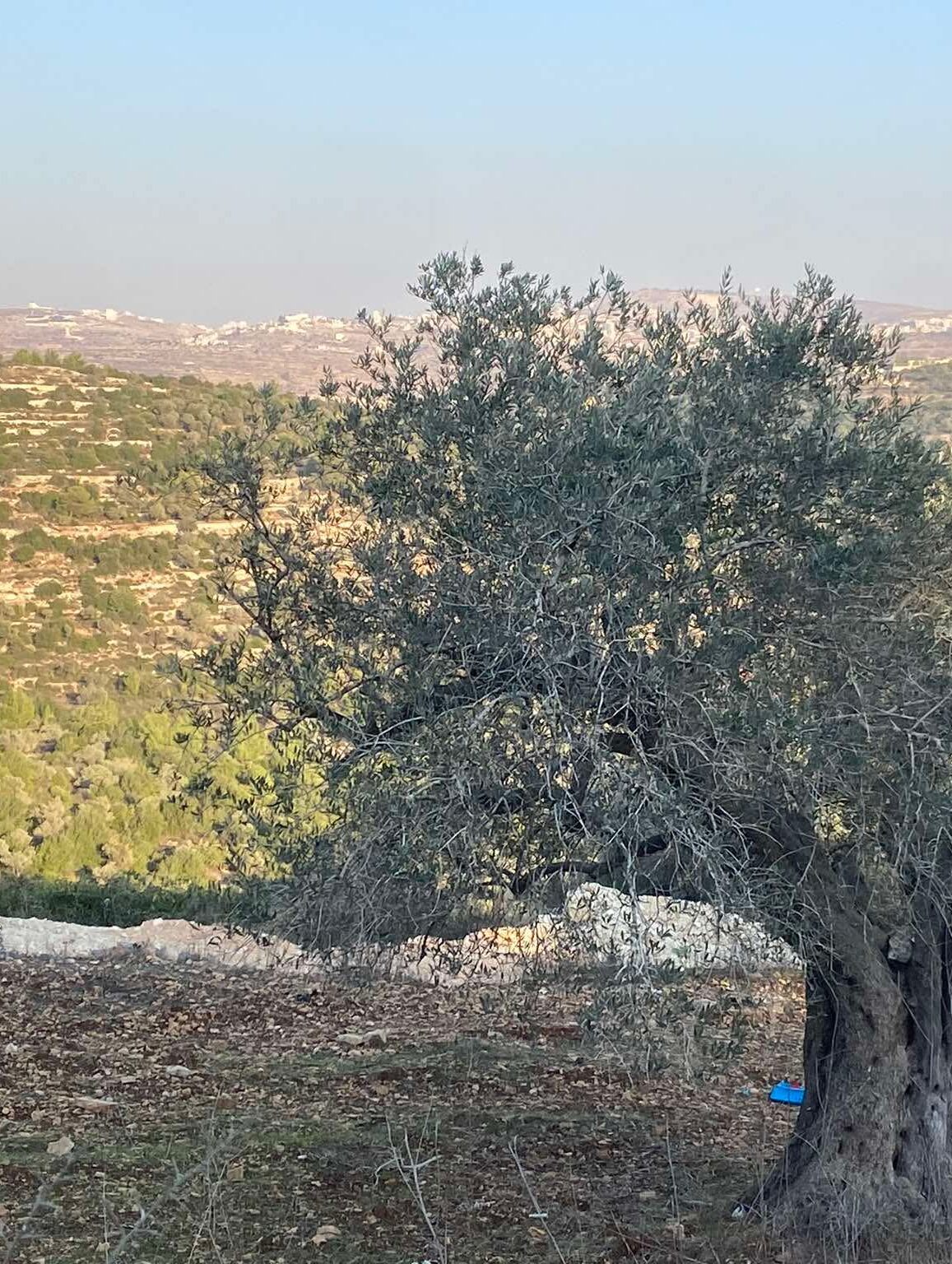
Then, through the pane of glass,
I look out past the garden remains
to raggedy prayer flags blowing
and blown, another season gone.


Karen Chase is the author of two collections of poetry, Kazimierz Square and Bear, and the award-winning non-fiction book Land of Stone.

Click here to purchase Issue 03

From the beginning, The Common has brought you transportive writing and exciting new voices. We are committed to supporting writers and maintaining free, unrestricted access to our website, but we can’t do it without you. Become an integral part of our global community of readers and writers by donating today. No amount is too small. Thank you!

Altars and Flags

Related Posts

Black and white portrait of a man wearing spectacles.

They Could Have

CONSTANTINE CONTOGENIS
Near destitute, I’m this close to homeless. This killer of a city, Antioch, / it’s eaten all the money I have, / this killer and its cost of living. // But I’m young, in the best health. / I speak a marvelous Greek / (and I know, I mean “know,” my Aristotle, Plato, / the orators, poets, the—well, you name them).

March 2026 Poetry Feature: Welcome Back Peter Filkins

PETER FILKINS
pissarro is dead cézanne too / swept away like willowed flotsam / that brute degas gone as well / chafing tides the sea of years // long ago battles fought discarded / ballast tossed from fame’s balloon / rising like heat and the unheard prices / feeding straw to the fires of need // for more garden cuttings variants

Two Poems by Heather Bourbeau

This forest is named for the first head of the National Forest Service, who warned of assuming natural resources were inexhaustible, who said without conservation we pay the price of misery, degradation, and failure, who asked if these resources were for the benefit of us all or for the use and profit of a few? He was also a leading eugenicist.