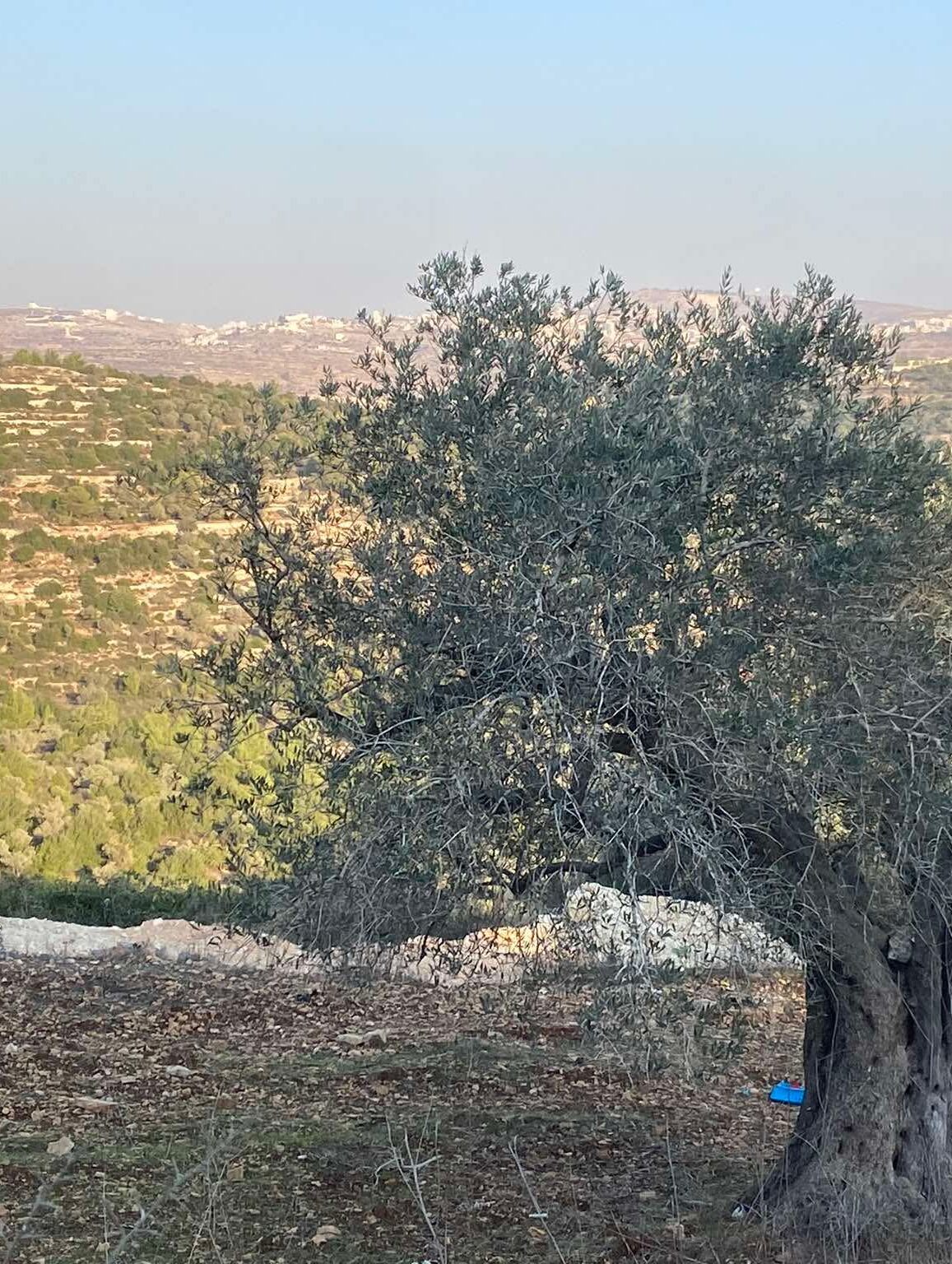

And Then It Rains

By KAREN CHASE

See the trace of someone’s hand
in the shorn branches, the tangle
of trees past the flat lawn.

The composed yard—
fence, wall, dark shape
of cypress, vanishing elm form.
All the ways we shape and carve—
yards, religion, plans,
sonnets, villanelles,
seasons, days of the week,
times for meals, windows,
doors, frames—all
built and named things—
streets, numbers, cities.
Run, I say, to the jungly
woods, take in the animated
dirt, eat with your hands. Later on,
go home, lunch at noon, switch
direction, mow the lawn. Along, then,
comes the wild rainy world, call it beauty,
wind corrupting the grassy yard.


[Purchase Issue 12 here.]

Karen Chase is the author of two collections of poems, Kazimierz Square and BEAR, as well as Jamali-Kamali, a book-length homoerotic poem which takes place in Mughal India. Her third book of prose, FDR on His Houseboat: The Larooco Log, 1924-1926, is forthcoming in 2016.

From the beginning, The Common has brought you transportive writing and exciting new voices. We are committed to supporting writers and maintaining free, unrestricted access to our website, but we can’t do it without you. Become an integral part of our global community of readers and writers by donating today. No amount is too small. Thank you!

And Then It Rains

Related Posts

Caribbean picture

Self-Portrait in The Caribbean

PAOLA ASSAD BARBARINO
Sometimes I am emboldened, / I decide to stand in the people’s balcony / I decide it is Maundy Thursday I decide to place a priest behind me that can speak to the people behind / my back / I decide to put out the fire and light my throat / scream

Feltspade

ELIAS SADAQ
I serve out my conscription / sleep in a bunk bed / for four cold months / in the engineer regiment at Skive Garrison / in a room with three other men / I fuck the colonel / the only sign that time is passing / is a pile of snow outside the window / that grows smaller

Book cover of Fifty Mothers

Mother is a Kind of Holding: Jenny Qi interviews Preeti Vangani

PREETI VANGANI
With vignettes, I could plumb its narrative arc to become a force propelling the book forward. It also felt haunting yet warm that the mothers kept reappearing throughout the life of this grief. That repetition created a chorus of voices that angers and despairs, yet cradles the speaker.