Audio

Decapitated

By TERESE SVOBODA

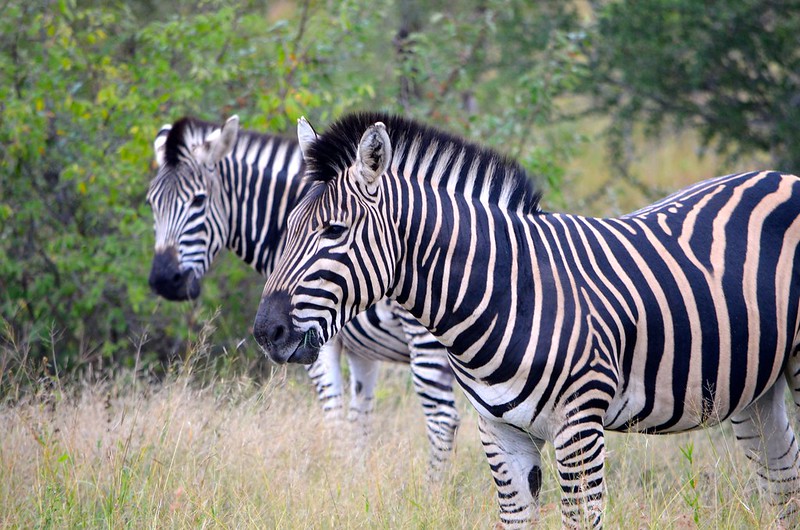
We traveled as a group to Kenya on assignment to photograph zebra in complete abstraction, or the pores around the elephant’s flickering eyelid, or herds of giraffe clustered around salt licks like politicians deciding the fate of the country. We also drank. Fred, a Texan beer-sipper, always used a longer lens than the job needed. He worked in advertising, which meant that an assignment like this was his big chance to express himself. Franco bore his drink and our presence sardonically, a finger to the ear and always a story to accompany his glass of wine, usually about a donkey and metaphysics. It wasn’t a donkey after all was often the punchline. He was important enough that he could invite Heinemann to tag along on the trip. Heinemann’s wife was tending to an extremely pregnant NGO daughter, an activity that offered little for him, he said, personally. He was a professional magician elsewhere, not a photographer. But he was also very adept in the academic world, with an air of abstraction that suggested he had cleared collegiate hurdles in boredom. He drank vodka well. As for me, I drank gin and tonics as if they would stop malaria in its tracks. I had a name in photography, but after shooting the body for decades, my work had begun to disappear. A woman the men’s age, I had become invisible, as if I were left in too little fix. 

Photography made Heinemann uncomfortable; he was an expert in everything else, or else he pleased his friend Franco by demurring to his opinion. The rest of us declaimed as if we knew every ABC in the book, but really Heinemann was the one we all envied with his academic paycheck, as evidenced by our earnest critiques of his amateurish attempts at taking pictures. Your gloating hyena is too hackneyed, we argued, the baobab against the sunset too obscene, and the dancing women adorned in beads and gold cloth are far too pretty to be pithy. Heinemann laughed and pulled a coin out of Fred’s ear. Advertising! he exclaimed. He settled on photographing the steam pouring over the car engine. 

Decapitated
Read more...

Cedar Park Café 

By TERRA OLIVEIRA


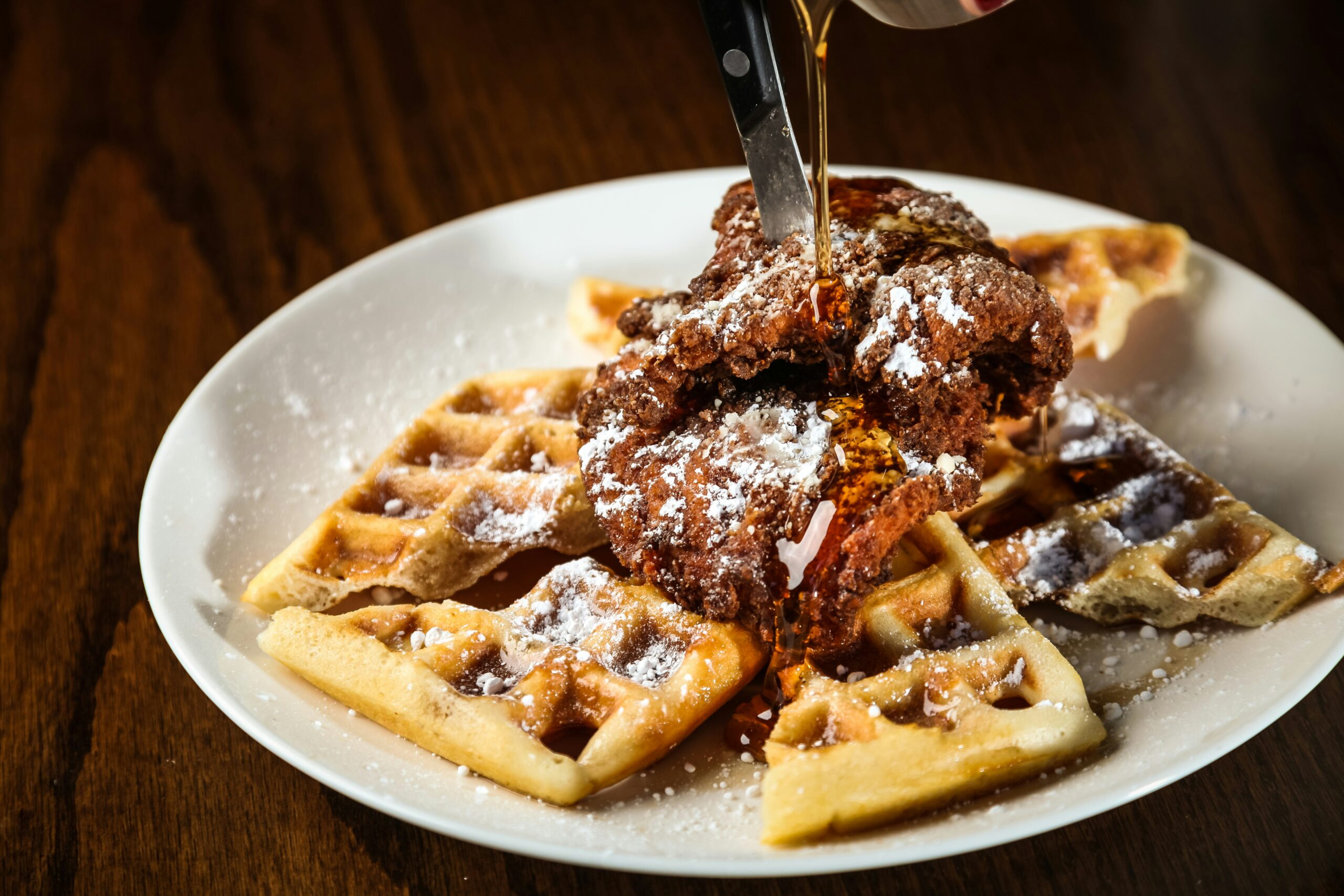
at cedar park café, praised for their chicken & waffles, 
i sit at the corner table, & a young blonde child 
with their family in front of me takes a sip of water, 
looks right at their parents, raises their right hand, 
back straight: i commit to not look at my phone, 
even when it’s right in front of me. 

i make the same commitment to myself every day. 
before recovery, no amount of self-control could bring myself 
to stop it. i was sort of big but the phone was bigger. 
this compulsion is real & serious—i thought it, i knew it, 
i’d pray for my behavior to change the next day. 
first thing the next morning, my hand would up 
& move itself, no thought of the rest of the body.  

like any addict there is hope for us too. 
in recovery—yes—i turn to meetings, 
turn to phone calls, to God & to fellows, 
& to readings. i pick up, i slip, i try again, 
further away from where i was (the hours & days), 
& closer to where i want to be 
(so many more hours, so many more days). 

my chicken & waffles are served, 
melted butter & maple syrup & crispy chicken 
& warm sweet & spicy sauce. 
i put my phone (just a notebook) back down.  

the parent: put your phone away. 
the child: we’re going to have to put it in the fire of death. 
the parent: the phone? 
the child: yes, in the fire of death. 
the parent: we don’t need to put it in a fire of death. 
and the phone: 


[Purchase Issue 29 here.]

Terra Oliveira is a writer and visual artist from the San Francisco Bay Area, and the founding editor of Recenter Press. Her poems have been published in The American Poetry Review, Puerto del Sol, and elsewhere. During the week, you can find her managing two bookstores in the North Bay.
Cedar Park Café 
Read more...

LitFest 2025 Excerpts: Video Poems by Paisley Rekdal

Amherst College’s tenth annual literary festival runs from Thursday, February 27 to Sunday, March 2. Among the guests is PAISLEY REKDAL, whose book West: A Translation was longlisted for the National Book Award. The Common is pleased to reprint a short selection of video poems from West here.

Join Paisley Rekdal and Brandom Som in conversation with host Ruth Dickey, Executive Director of the National Book Foundation, on Sunday, March 2 at 2pm. 

Register and see the full list of LitFest events here.


Not

LitFest 2025 Excerpts: Video Poems by Paisley Rekdal
Read more...

Real Estate for the Blended Family (or What I Learned from Zillow)

By ELIZABETH HAZEN


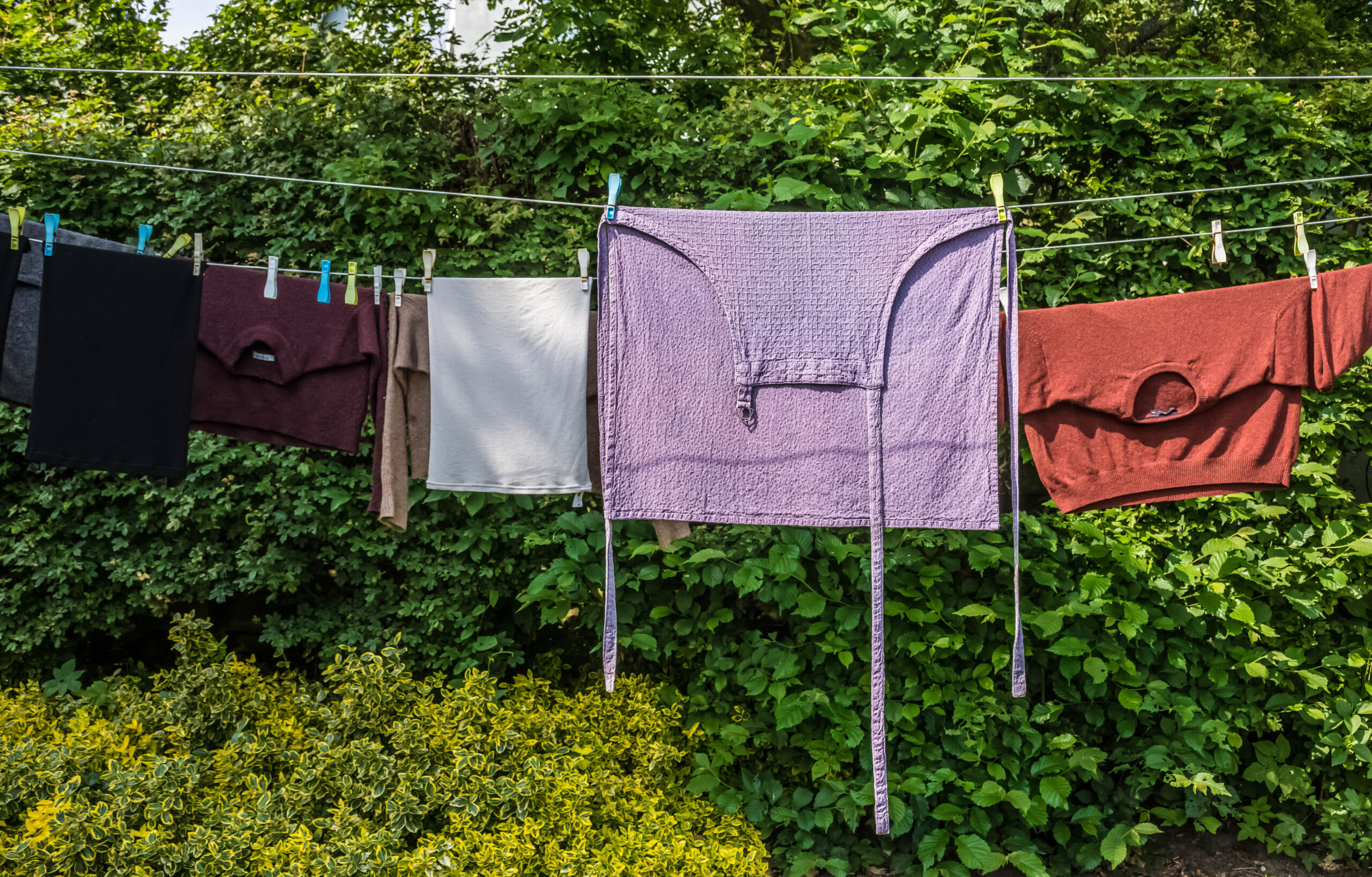
The houses are photographed with light in mind:
The sun, they say, is shining here. The filter 

hints at lemons: fresh laundry on a quaint
old line. The “den” becomes the “family room” 

where we’d play rummy and watch TV, the square
footage enough to hold all of our misgivings.

Real Estate for the Blended Family (or What I Learned from Zillow)
Read more...

Dominus

By ANGIE MACRI

Danger, as in strangers, men or women;
as in twisters at night when you couldn’t
see them coming; as in the machines
that made work so easy you forgot
to watch what you were doing,

Dominus
Read more...

In Montgomery County

By THEA MATTHEWS


                              Maryland, 2020

My partner wears the panopticon,
and I carry the rope. Hungry
for the rush, the chase, we locate
the missing black calf
about two-tenths of a mile
from East Silver Spring.
He’s wearing a long-sleeve
jersey T-shirt, navy blue jeans.

In Montgomery County
Read more...

Call and Response

By TREY MOODY

My grandmother likes to tell me dogs
            understand everything you say, they just can’t
say anything back. We’re eating spaghetti 

            while I visit from far away. My grandmother
just turned ninety-four and tells me dogs
            understand everything you say, they just can’t

Call and Response
Read more...

It’s Important I Remember That Journalism Is the First Draft of History—

By CORTNEY LAMAR CHARLESTON

and Ida B. Wells, well, frustrated 
the engenderment of the official record;

crisscrossed the country interviewing 
poplars that had been accessories to atrocities,

It’s Important I Remember That Journalism Is the First Draft of History—
Read more...