By JULIA TOLO
Søgne, Norway, July 8, 2018
Sitting around the white painted wood and metal table
that hosted the best dinners of my childhood
my uncle is sharing
his many theories of the world
the complexities of his thoughts are
reserved for Norwegian, with some words here and there
to keep his English-speaking audience engaged
I don’t translate, don’t want to
repeat those thoughts
in any language
but we have a nice time
there’s a cheesecake with macerated peaches
and mint
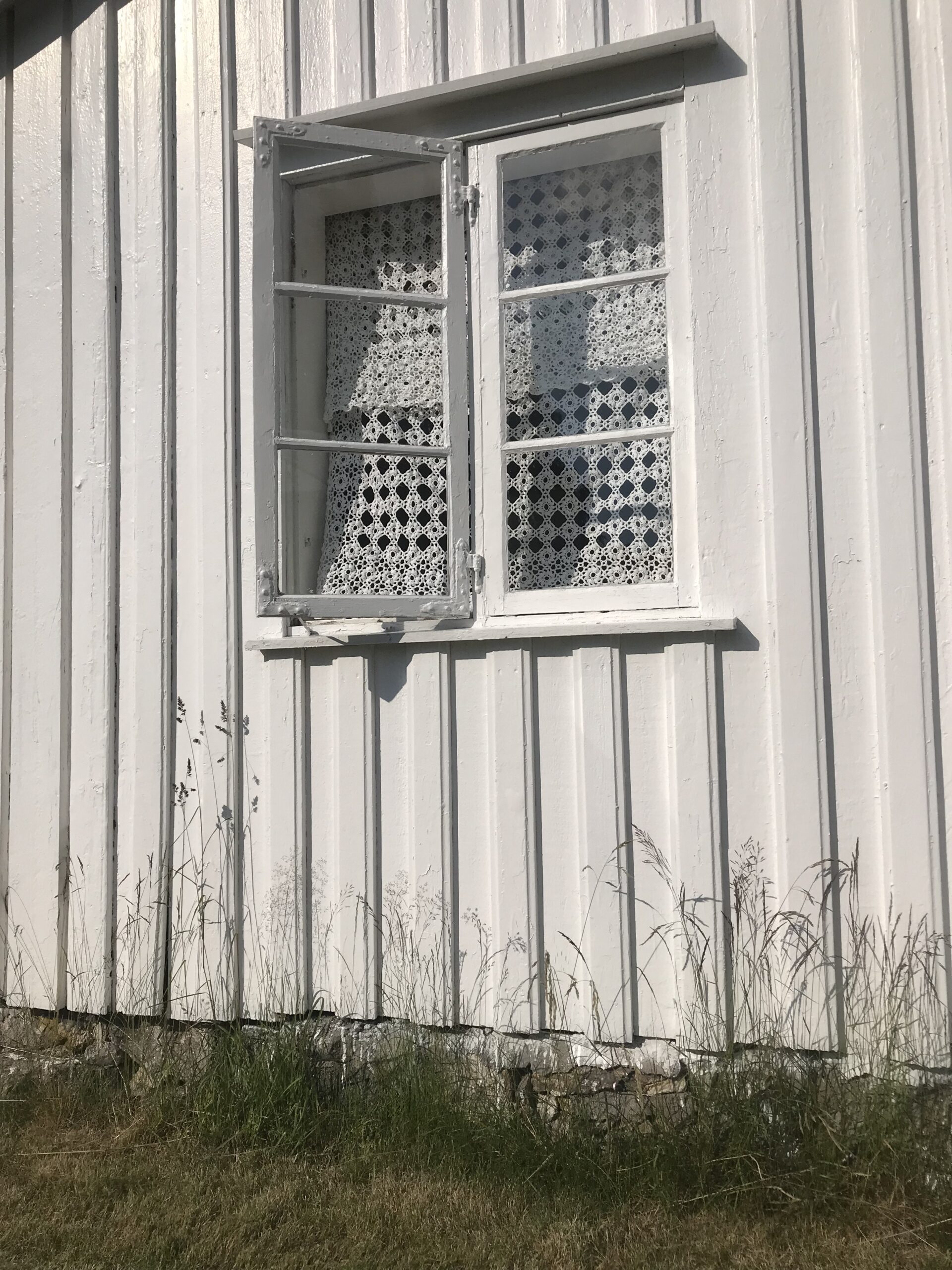
the sun is low and through the window to my grandma’s house
the heavy lace curtains are catching the light
I don’t think I knew it then
but things can always get worse
and also of course
better
a few weeks ago
my mother texted me and each of my siblings
she was looking for
a picture of me at that white table, with our
cousins, aunt, uncle, and friends
two now gone, the rest no longer
on speaking terms
I still have you she says another time
from her phone to my phone
an unknown amount
of countries between us
I am grateful to be away
and she knows it
she has that picture of course
she just wants to see if we see it
too, wants us to remember
what she took away
the evenings got cool
in the summer, the berries were red
remember?
Ditmas Park, NY, September 29, 2023
We packed everything, even the fancy top mattress Mervin had to have
into oversized suitcases, paid extra to skip the line
got yelled at even so, some people don’t know
that you can pay for these things, or perhaps do not like
to be left behind
In the apartment, I lie on the thin but lovely thing
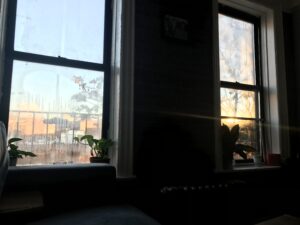
a candle litin our window, drinking coffee from one of our two
total cups. After weighing my options
this is the place
I wanted to go
Temple, NH, May 3 2025
last night
I watched a man play his guitar
by rubbing it against the floor
he spoke about his medium
of sound
as one he has chosen
for life
I would like to have a medium
in between performance and poetry
there are breakfasts with perfectly
salty sausage
coffee in thick diner cups,
a man with two adopted children
sharing with us their 23 and Me results
unprompted
Julia Tolo is a poet and translator from Oslo, Norway. She holds an MFA from Queens College CUNY. Her writing has appeared in Brooklyn Rail, Copper Nickel, Asymptote, and Brooklyn Poets, among other places. Her books include The Day (with Jenni Wu) (Bottlecap Press), mother/cake (Ghostbird Press), August, and the Snow Has Just Melted (Bottlecap Press) and her translation of Paal-Helge Haugen’s novel Anne (Hanging Loose Press).