By KAREN CHASE
my body and
in the morning, it
returns. To exist fully, it
needs more than my body, so
up it goes into the stars, for
sustenance. I open
my eyes and pray—


By KAREN CHASE
my body and
in the morning, it
returns. To exist fully, it
needs more than my body, so
up it goes into the stars, for
sustenance. I open
my eyes and pray—

By KAREN CHASE
Light falls on ramshackle paint,
blue wooden slats, taxi pink and green tint sky,
fans paddling the outside breeze inside,
as Key West light vanishes into the Gulf.
A pebbled field with Fort Taylor at one edge,
sea at the other, objects undone by waves,
the sea, one forceful foot.
By KAREN CHASE

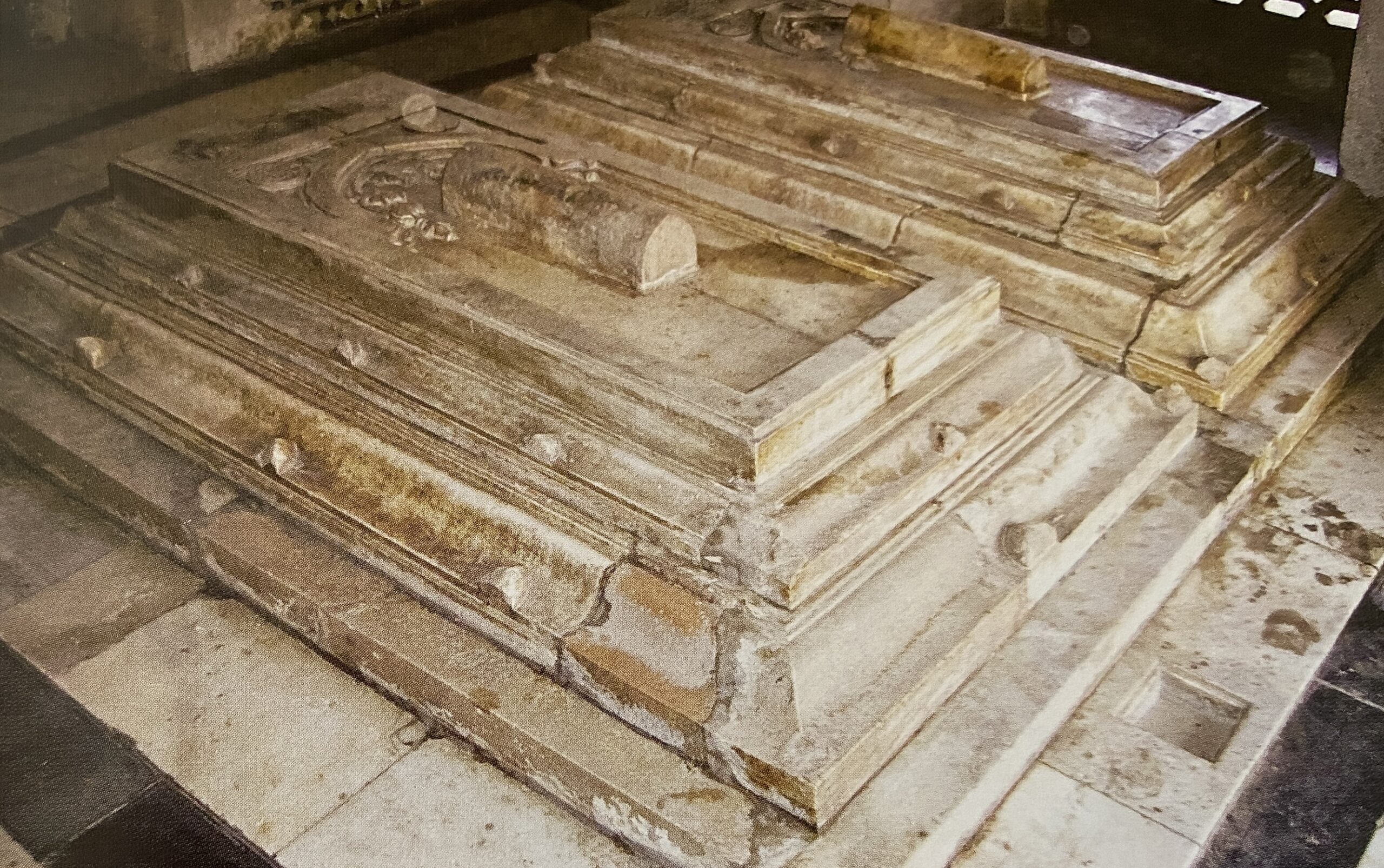
This story about how history and imagination infect one another unwittingly began a week after I arrived in Delhi for a month-long writing residency. The Sanskriti residents were told that we would have a chance to visit the newly restored Jamali Kamali Mosque and Tomb. It was about to open to the public. O.P. Jain, the founder of Sanskriti, was a major supporter of the restoration, thus this outing.
Our bus arrived at an overgrown park entrance where we traipsed alongside a river full of plastic garbage, climbed through hills of brush, stumbled over unrestored ruins, and finally arrived on top of a hill, a plateau, where the Jamali Kamali Mosque and Tomb stood. At its entrance, a brand-new sign informed visitors that the tomb held the remains of Jamali, a sixteenth-century Sufi court poet and saint, and a person named Kamali whose identity was unknown. The conservator of the restoration would guide us at the site.
When we entered the small space of the tomb, I was stunned by its beauty. Two white marble graves sat side by side on the floor. The red and blue circular ceiling was decorated with sunbursts and floral forms carved in plaster. A band of Jamali’s verses encircled the ceiling. The conservator spoke, “Some have thought Kamali was Jamali’s wife or perhaps his brother. Others have thought that Kamali was a disciple of Jamali, the saint. The undisputable fact is that both were men. A symbolic pen box, traditionally a sign of a male, is carved on each of their tombs. It is believed, through our oral tradition in Delhi, that Kamali was Jamali’s homosexual lover.”
“But,” I said, “the new sign out there that you just put up says his identity was unknown.”
The conservator explained that in India a public sign would never mention homosexuality.

By KAREN CHASE
See the trace of someone’s hand
in the shorn branches, the tangle
of trees past the flat lawn.
At The Common we’re welcoming spring with new poetry by our contributors.

By KAREN CHASE
My windowsill, that skinny altar
above the kitchen sink, helps me
combine death with wind,
and air with birth—
fire, water, time, dirt.

Don’t miss an issue! Subscribe to The Common.