


Transcript: Cush Rodríguez Moz
CUSH RODRÍGUEZ MOZ speaks to EMILY EVERETT about his essay “Future Remains: The Mysterious Allure of a Town in Ruins,” which appears in The Common’s fall issue. The piece chronicles a trip to Villa Epecuén: once a vacation destination for the wealthy in Argentina’s golden age, now a site for disaster tourism after salt-water flooding first ruined and then preserved it. Cush discusses how the piece evolved from simple travelogue to a complex personal essay examining national and personal decline, climate and political change, and our fascination with destruction and decay.

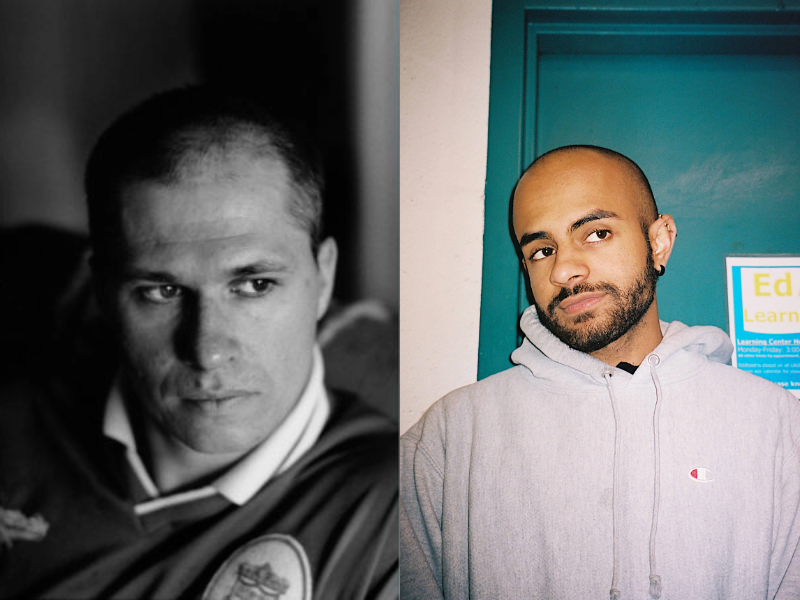
Cush Rodríguez Moz is a journalist, writer and photographer currently based in Madrid. His investigative articles and long-form narrative pieces cover an array of themes that include environmental issues, agriculture and urbanism. His work has appeared in El Malpensante, Altäir, The New Yorker and Climática, among other outlets. He also collaborates regularly with Revista Late. He holds degrees in history, geography and journalism. Prior to Spain, he lived in Italy and Argentina.
Read Cush’s essay in The Common at thecommononline.org/future-remains-the-mysterious-allure-of-a-town-in-ruins.
Read more from Cush at linktr.ee/cush.moz, and follow him on Instagram @cush.moz.
The Common is a print and online literary magazine publishing stories, essays, and poems that deepen our collective sense of place. On our podcast and in our pages, The Common features established and emerging writers from around the world. Read more and subscribe to the magazine at thecommononline.org, and follow us on Instagram, Bluesky, and Facebook.
Emily Everett is managing editor of the magazine and host of the podcast. Her new debut novel All That Life Can Afford is the Reese’s Book Club pick for April 2025. Her work has appeared in The New York Times Modern Love column, the Kenyon Review, Electric Literature, Tin House, andMississippi Review. She was a 2022 Massachusetts Cultural Council Fellow in Fiction.