By ALEX BEHM
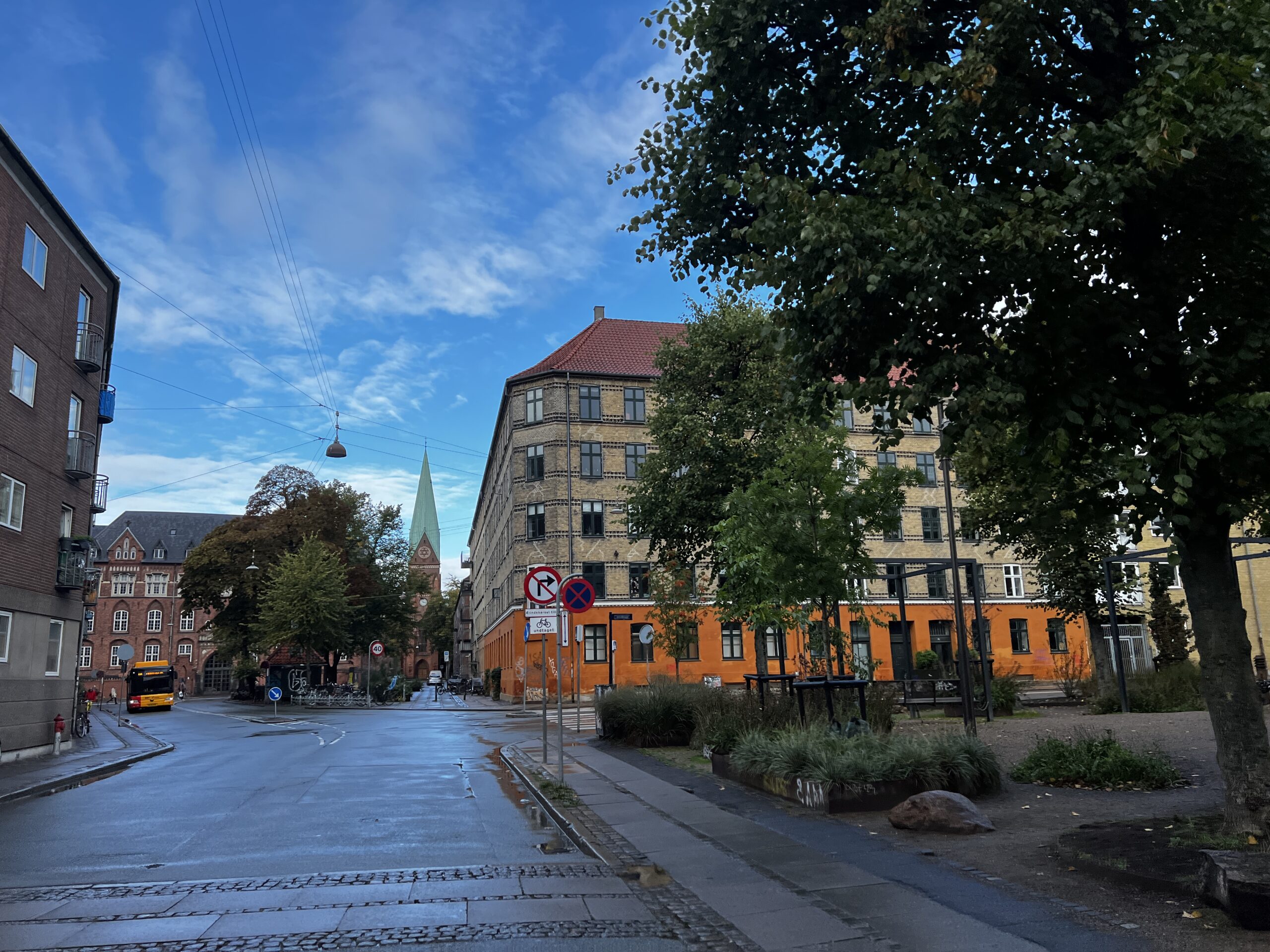
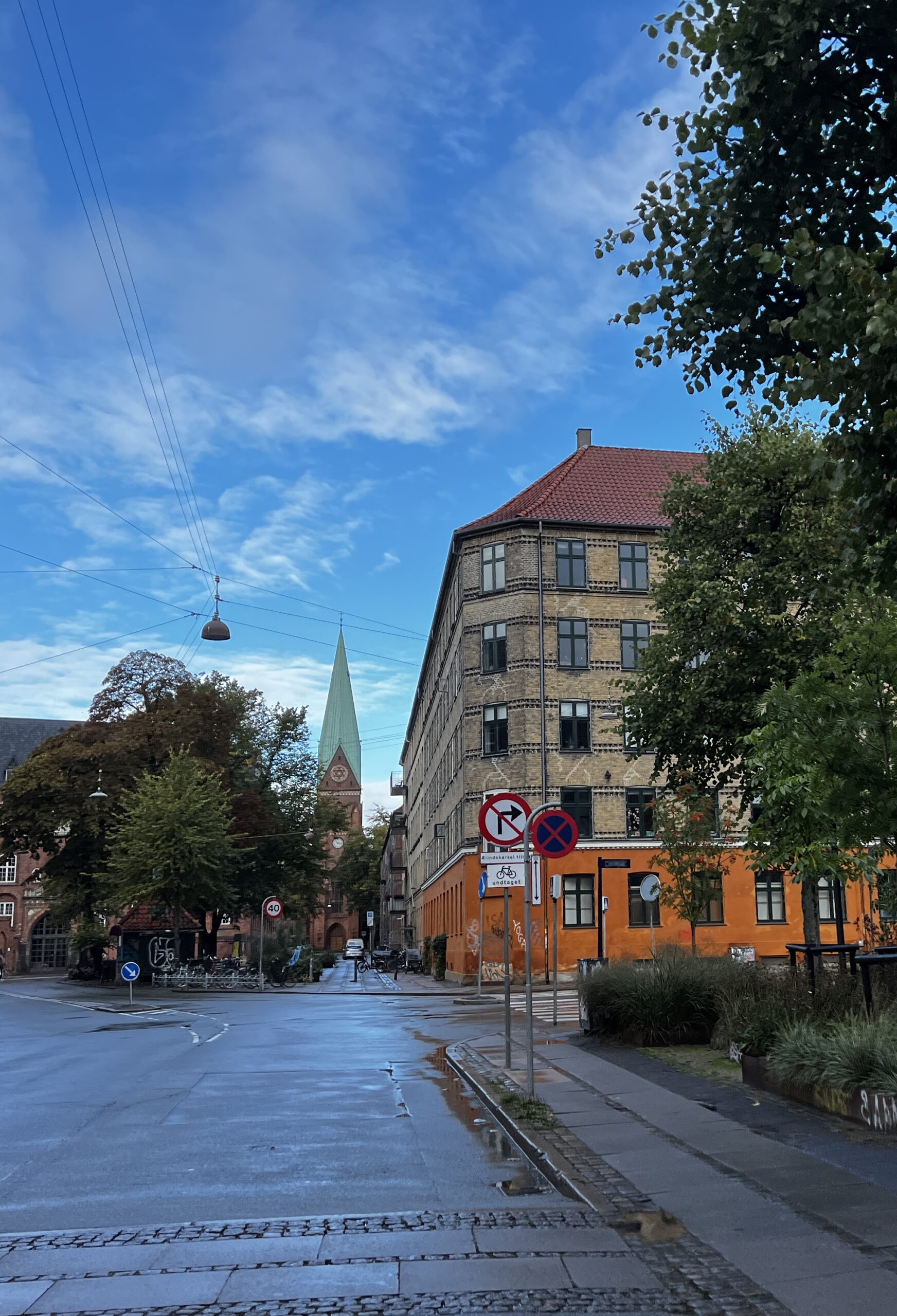
Copenhagen, Denmark
My grandfather sits in a recliner and watches infomercials on television. It is 2:57 in the afternoon on an American Sunday and a man wearing a cheap suit tries selling him the New King James Version Bible in twelve parts on CD.
I call from Copenhagen where the time is 8:57pm and the sun has already set. An electronic operator speaks words in Danish I cannot decipher before the static spindles through air and across several oceans until my grandfather picks up his landline.
Harmony Presbyterian Church, he says into the phone. This is his greeting. No Hello or Can I help you? He has no caller ID and does this to defend himself against telemarketers. He tells me, If you answer with the name of a church, they are not allowed to sell you anything, and then purses his lips and nods his head one time, each time he says this.
Hi, Grandpap. I say, how are you?
Oh! He gasps, it’s my Alex!
It is, I gleam.
Well, honey, much better now. He says honey in an articulate way, making it two separate words. I am just so glad to talk to you. He tells me the neighbor is there, Junior, eating bacon in the kitchen. My grandfather has finished eating; Junior had urgent news about a tree limb that fell in the yard; my grandfather has just sat down in the recliner; Junior will be so excited I called; and I rang at the perfect time.
Junior, he calls through the static. I blink and see him twisting his head from the phone, looking toward the kitchen. Come here to the telephone! He presses the phone back to his cheek and the static grows soft, to a hum. Hold on, dear, and he calls for Junior again. I hear footsteps on carpet and a robotic click.
You’re on speaker, dear. Say something. He emphasizes the –ing at the end of the word.
I say, Hey, Junior.
Junior starts to say hi, but my grandfather says, You hear that, Junior? You’re talking to someone in Europe! I think I see him smile. He was in Europe for WWII in Italy. On the day Mussolini was hanged there were parades and bumper cars. He drove a Jeep.
My grandfather tells me, You’re like a gnat. You keep flyin’ around.
Yeah, I laugh.
And Junior says he’s going for more bacon.
Everybody there, back home, is so proud of me, and everybody has been asking about me, and everybody knows who I am. I do not know why. Now, I am in Scandinavia sitting in a barren apartment that has a hot pad for a stove and no eggs in the mini-fridge. Outside of my window is a balcony designed for people to smoke off of, overlooking a courtyard, locked from the inside. None of the people living on this floor are allowed to go out, but sometimes I slide out of my window and dangle my legs through the aluminum railing that holds me back from falling and I read. There is no need for me to do this but for the sake of experiencing it. Maybe this is the human condition, or the product of having too much space to think, or too much time to navigate the world as an overly-sheltered young person. Wearing a helmet, I ride my bike to the lakes and watch swans tilt with the wind. I eat seed bread and butter and everyone, everywhere is cold. I bought gloves made of leather.
We talk about the weather, my grandfather and I. We talk about autumn and the now changing of the seasons. Everything is always changing. I make general statements from accrued philosophy that I am not sure I believe in. We are always losing something. I’ve lost so much this year, he tells me, but I have so much to remember.
We breathe together, then, through the phone. I hear the man on television reciting a 1-800 number like lines of verse. My grandfather has never been to Denmark but he wants me to call him back, to let him know if anything reminds me of home. And even if it doesn’t, call anyway.
I want the world. He wants to hear my voice.
Alex Behm is a writer and translator from West Virginia. Her work can be found in The Portland Review, Politics/Letters, Cleaver, and elsewhere. She is currently a De Alba Fellow at Columbia University and lives in New York City.