When Hannibal was loose in Italy and could not be made to leave, the Romans did a strange thing. They consulted their books of prophecy, and the books told them to go get a mother.
Essays
The Loneliest Island
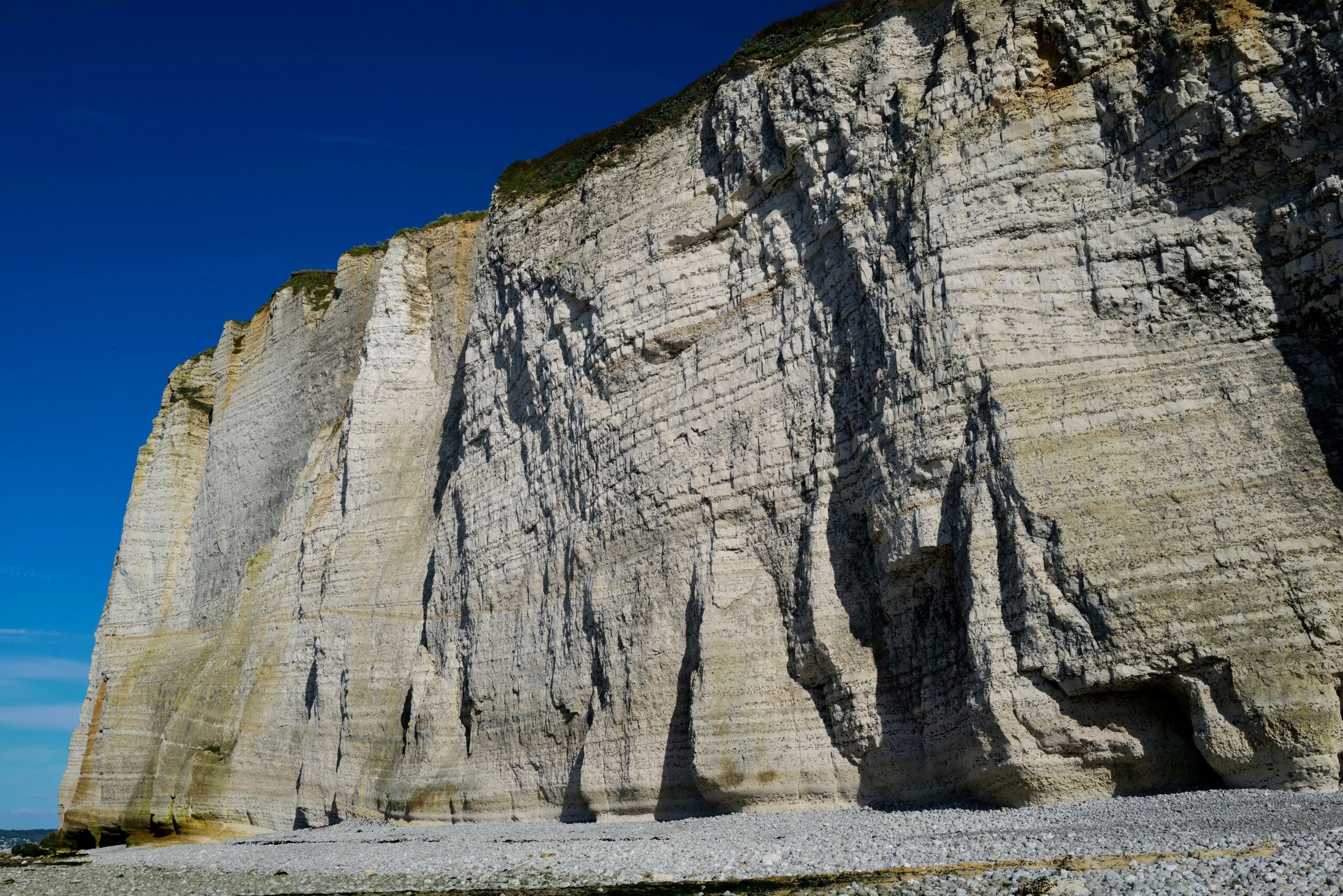
In the middle of the Mediterranean, 50 miles from Sicily, 200 miles from Libya, floats a country whose general character has been defined by centuries of accretion and erasure.
This is the island that played host to this spring’s newest reality dating show, Love Overboard, in which sixteen sculpted young people battle for connection and status on a luxury yacht. The yacht, and the people, mostly float off the coast, though the golden sandstone of capital city Valletta looms behind them. The guiding myth of such shows is that a beautiful locale—sunny, cloistered, preferably bare of culture—is conducive to love.
The reality of Malta is that it’s the loneliest place I’ve been.
On this arid soil—not a river to be found on the entire island—forces as mythic as Ottomans and Knights Hospitaller met to make their case for dominion; Byzantines came, Arabs, the French. The resulting language, born of this crossroads aesthetic, seems to blend the insistence of Italian and the lilt of Arabic, though most islanders also speak English, which feels—like the red telephone boxes dotting the capital—vestigial.
Freedom
Excerpted from the essay collection FREEDOM.
I arrive in Johannesburg, South Africa, on December 2, 2013. My father will join me in two weeks, with my brother to follow a week later. In one month, we will unveil my mother’s headstone in the township where she grew up, one year after her death. Weeks before my arrival, a report detailing unlawful expenditure of taxpayer money in the form of $20 million of “security improvements” to President Jacob Zuma’s lavish compound, is leaked to the press. Nine years ago, the country’s first all-race elections were held and South Africa finally regained freedom from apartheid rule.
A Story is an Offering: Notes on Storytelling and Inherited Memory
A story is an offering—
something with a bright, burstable skin and tender flesh.
Whenever my mother gives me one of her stories, I watch her cut into it, lay it out for me in a way I can consume, in a way she can bear.
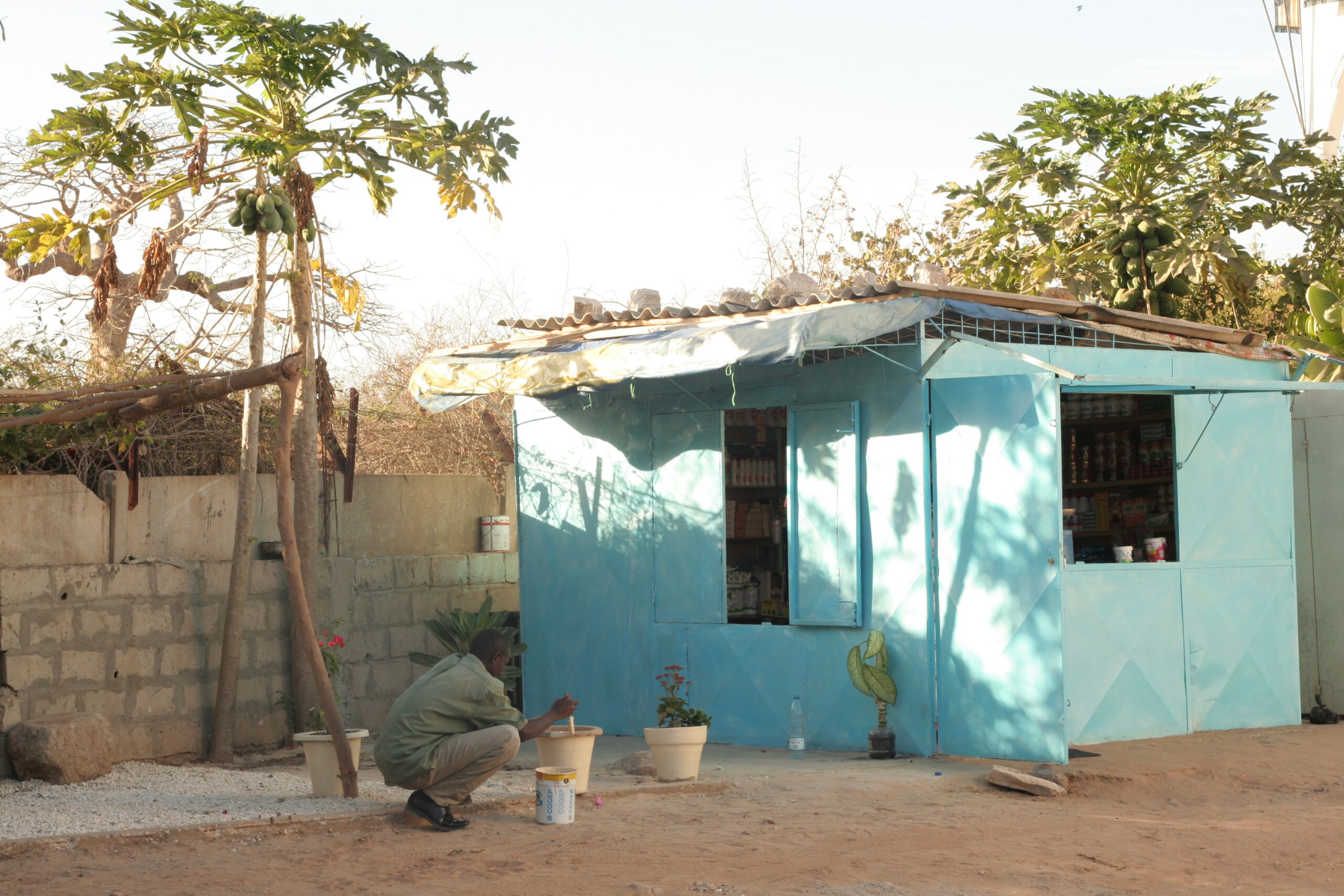
Naow’s Boutique
By RO SKELTON
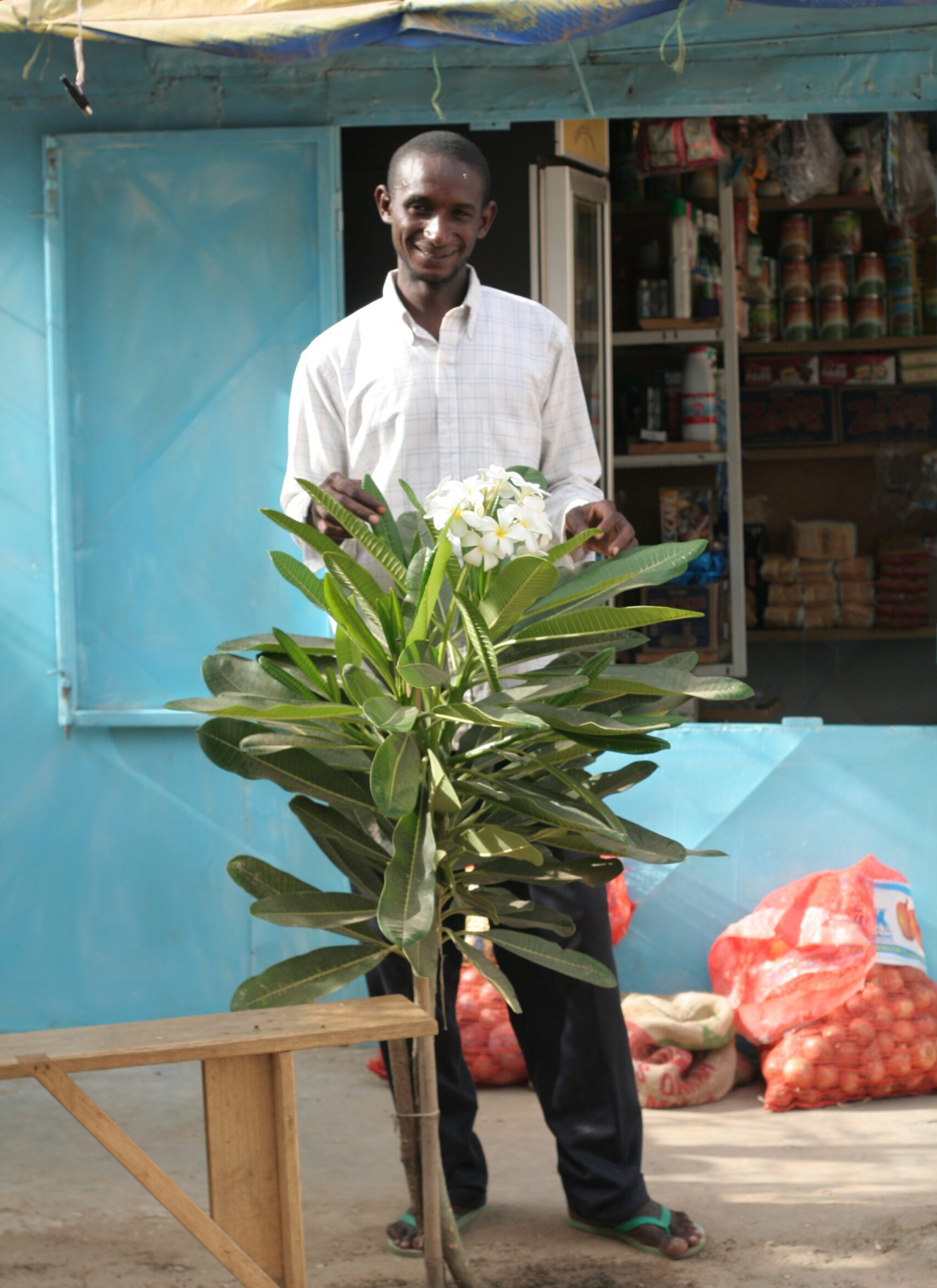
The first apartment that I lived in in Dakar was brand new and backed onto the far end of the airport runway, so that from my bedroom window I had a distant view of the ocean and of a vast baobab tree silhouetted against the hazy Saharan sky. The neighborhood––modest two-story family homes and the occasional new building like mine––was as far out of town as taxis would go, and even then they would refuse to take me the whole way, grumbling as they dropped me at the entrance to the neighborhood, so that I had to walk the rest of the way to my apartment along a potholed, sandy road.

The Back Meets the Nose
By EMILY NEMENS
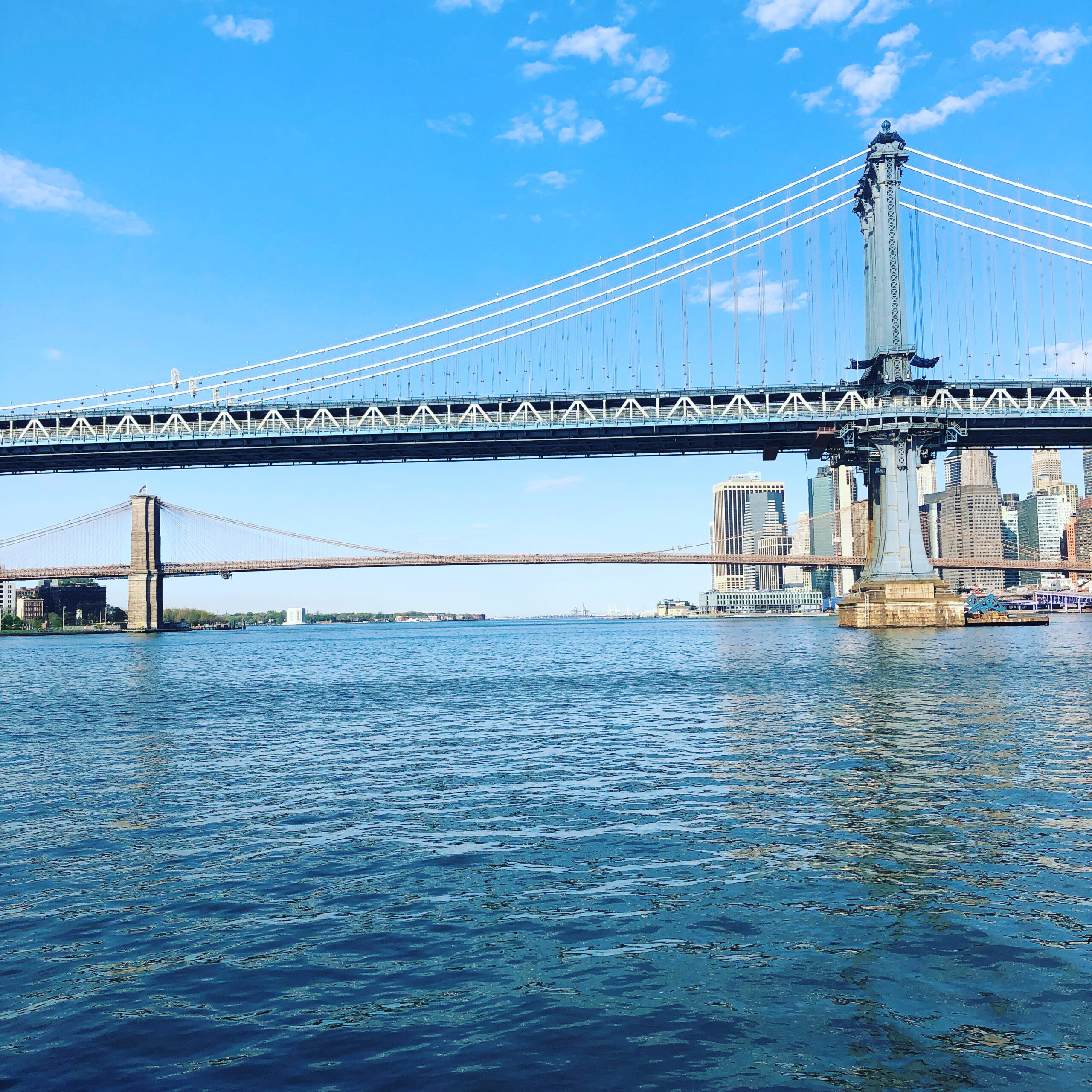
She was running along the Manhattan side of the East River—this was in the bucolic “before” times, prior to when the city tore up the East Village’s riverside park, chucking its eighty-year-old trees and modernist amphitheater and ebullient perennial flower beds in the name of future flood mitigation—when she felt a curtain being snapped up the back of her left calf, krrrrrik! More lightning than pain. At first. Then, it became very painful. A hot pain that ran an invisible line down the meat of her calf, like those sexy stockings with seams, but the seams had turned carnivorous and were nibbling at her flesh with tiny razor teeth. Running farther, even slow-jogging the 1.3 miles home, was out of the question (her mental math: more pain multiplied by less time in transit, or less pain times more minutes; the latter had the lower sum), so she slowly limped back from the river, putting as little weight on her left foot as possible. She wondered what she would do.
The Lost Box
By AIMEE LIU
1
He’s calling my name. About time. He’s been holed up in the bathroom for nearly an hour while my mother and I’ve busied ourselves elsewhere, pretending not to notice. Now as I wedge my way in, I find him seated on the rim of the tub like he’s waiting for an appointment.
Sickness has sallowed his skin and bruised the pouches around his eyes. His pale blue summer pajamas hang from his shrunken frame, and uncombed hair turbines around his head in a wild white corona. Yet my father sits up straight. He still manages to look irresistibly dashing in the way that Ray Milland might have, if he’d lived to ninety-five, had terminal cancer, and been half Chinese.
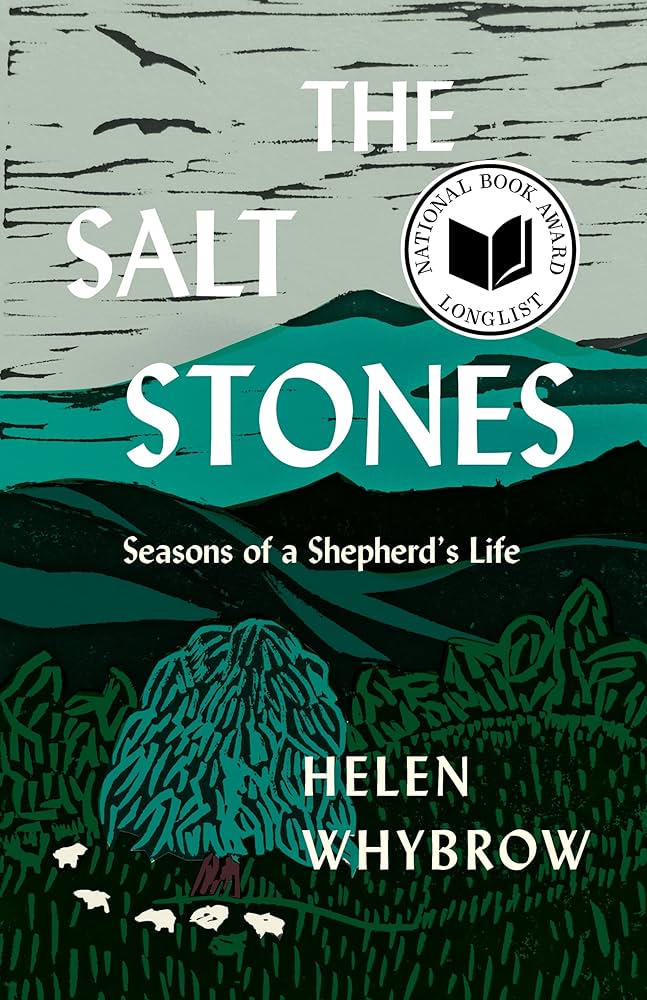
Excerpt from The Salt Stones: Seasons of a Shepherd’s Life

This piece is excerpted from the memoir The Salt Stones: Seasons of a Shepherd’s Life by Helen Whybrow, a guest at Amherst College’s eleventh annual literary festival. Register and see the full list of for LitFest 2026 events here.
A bird is not born knowing how to fly. Not exactly. Leaping off a rafter and opening two perfectly constructed aerodynamic wings will get a fledgling only so far—usually to another rafter, or a spot on the ground, or sometimes to a confusing corner of a window where an invisible cobweb will wrap its sticky strands around a beating wing and mangle the delicate microzippered fibers ever so slightly so that the wing no longer beats at all.
Excerpt from Bernie for Burlington
By DAN CHIASSON

This piece is excerpted from the book Bernie for Burlington: The Rise of the People’s Politician by Dan Chiasson, a guest at Amherst College’s eleventh annual literary festival. Register and see the full list of for LitFest 2026 events here.
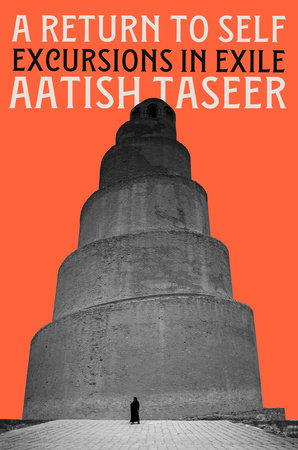
Excerpt from A Return To Self

This piece is excerpted from the memoir A Return To Self by Aatish Taseer, a guest at Amherst College’s eleventh annual literary festival. Register and see the full list of for LitFest 2026 events here.
At 9:05 a.m. on the tenth of November, 2020, a hush fell over the leaden turbulence of the Bosporus. All activity on the strait ceased. Coast Guard ships, ferries, and caïques, like the younger members of a tribe of large marine mammals, drew close in a circle. Behind them, a Turkish destroyer kept vigil, the blue of its gunmetal merging with the strait’s frigid waters. A red-bottomed freighter marked with the words iraqi line hulked in the background. That cityscape of sea-blackened buildings, broad panes glazed silver in the daytime darkness, was no ordinary Left Bank, no mere farther shore. The silhouette of low domes and pencil-thin minarets piercing a nimbus of pale sky above was the continent of Asia. The wonder of looking at it, with my feet still planted on the shores of Europe, was not lost on me. I had been in Istanbul for less than seventy-two hours. The air grew heavy with anticipation, and then, low and deep and melancholy as whale song, came the first moan of a ship’s horn.