
Vertigo
Santiago, Chile
For over a month now, my wife and I have dangled extension cords
from our 26th-floor balcony to the neighbors’ apartment
because their landlord collects rent but refuses to pay the utility monopoly.
The girls cry when we have to disconnect, but we’ll be gone for a while,
plus there’s a chance of rain, and therefore, an electrical fire
in our 1000-person highrise. We saw one just last week. The all-volunteer
brigade in this city of 7 million lanced buckets of privatized water
while the plume dragoned with smoke blown in from the pine
and eucalyptus wildfires beyond the monocultured horizon of our desertifying
landscape. After all this, my wife ends up stuck at home because a bureaucrat
determined she’s of the wrong racenationalitysocioeconomicstatus
to be welcome in my homeland. At least in Seattle, the rain does come.
I dart with friends between sushi joints and breweries, boozing down
astronomical oysters and $10 pints. In one bar, a window breaks.
In another, a wine glass. On the street, a windshield, a picket line.
A glass-breaking kind of day, we say. We joke about standing in
front of the Amazon headquarters, watching Bezos’ balls shatter
down. Unhoused people line up by Nordstrom to smoke crack.
The mannequins’ plastic gazes back from beneath their sweatshop chic.
What’s my role in this? What’s the price of freedom under neoliberalism?
Or anything else for that matter? Home in Chile, my wife tells me the mole
on my arm looks questionable. But rent’s due, and I still don’t have insurance.
A friend launches a raffle for her cancer treatment; another friend launches
a raffle to rebuild his grandmother’s house lost in the inferno.
A recent immigrant, I wait in line for a number that proves I exist.
Cotizo, luego existo. Or something like that.
Mayday
Chillán, Chile
1.
The olives came in small
this year, more pit than meat,
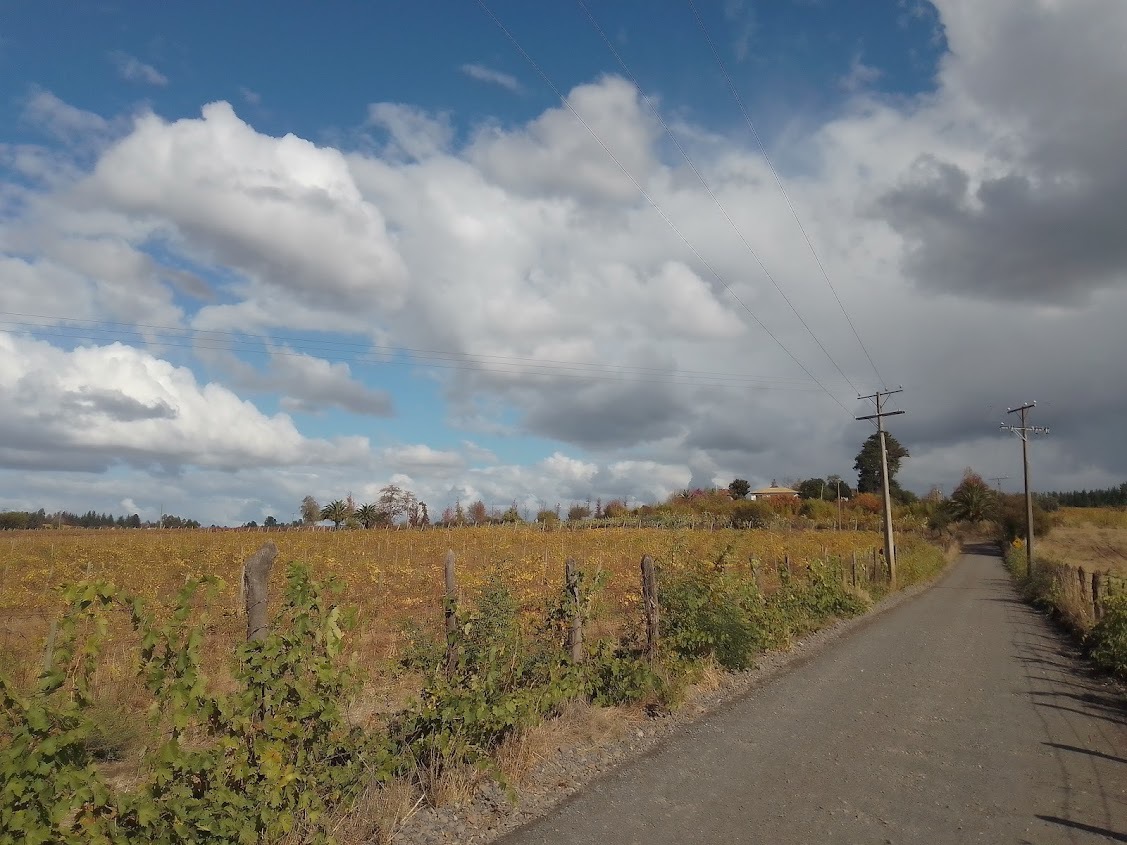
the grapes too hanging dryly
their peel black
against the burned treeline–
pine and eucalyptus
shedding patented seeds.
It’s the first rain
in six months, smokey drops
splattering the bus’s windshield
a ghost blanket of fog
rolling south across
the yellow countryside.
I’ll haul back bottles of wine
as wild horses prune
the boggy fields.
2.
Foreign capital takes root
converting habitat
to pulp paper and dividends.
Sparks and spores advance
on the wind, again colonizing
the South, a war
on three fronts—asphalt,
soil, and mind—beneath a banner
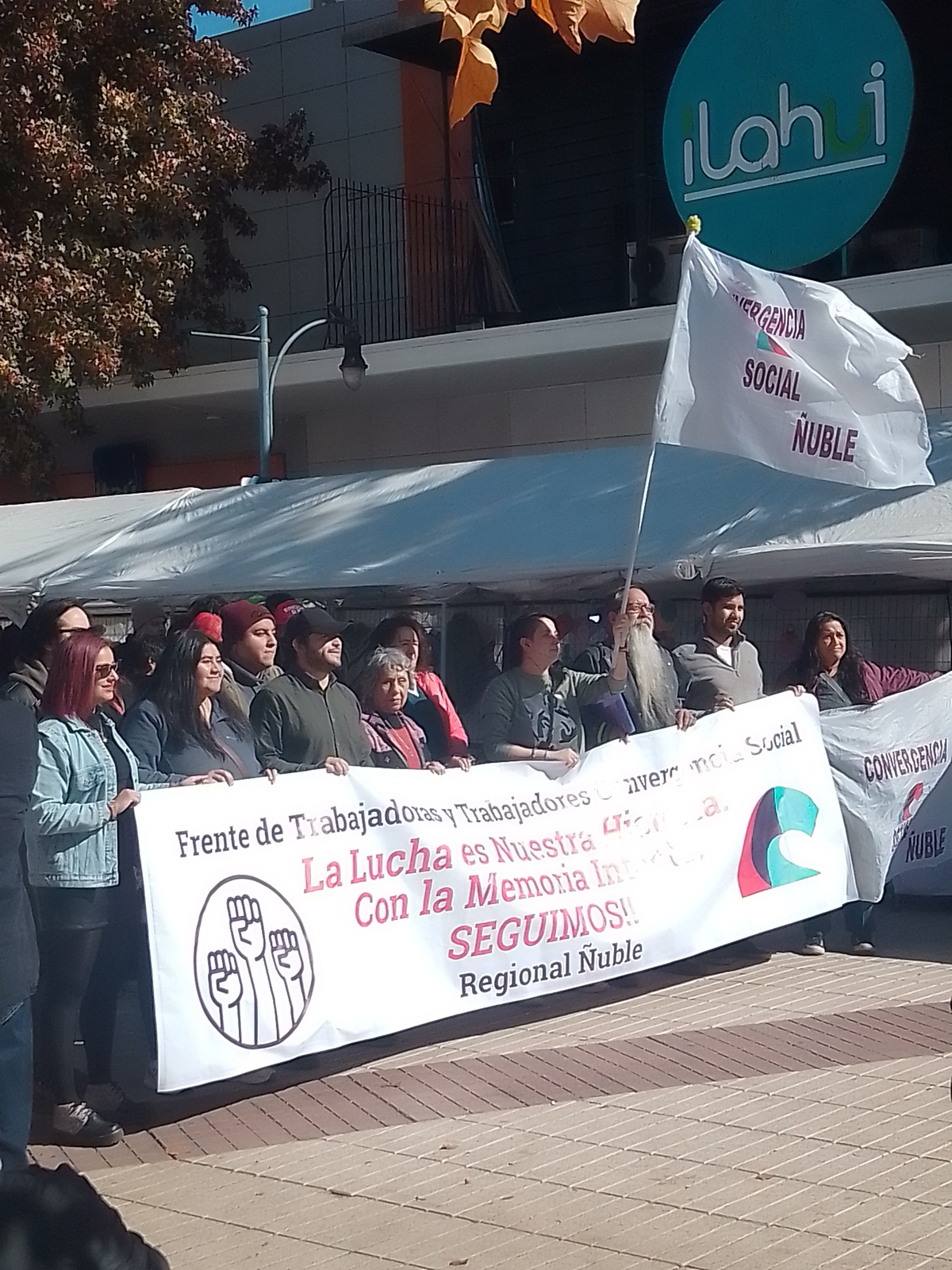
of smoke: a burning
school, a burning
flag, a burning
landscape—black cloud descending
on the city where I inscribe
ideas on pulp and stamp them
with my complicity.
David M. Brunson‘s poems and translations have appeared in or are forthcoming from Mānoa: A Pacific Journal of International Writing, Copper Nickel, Washington Square Review, Deep Vellum’s debut Best Literary Translations Anthology, and elsewhere. He is the editor and translator of A Scar Where Goodbyes Are Written: The Poetry of Venezuelan Migrants in Chile (LSU Press 2023) and the co-editor of Copihue Poetry, a digital magazine dedicated to international poetry and translation. His debut collection “Fallas tectónicas // Fault Lines” is forthcoming in Santiago from LP5 Editora in 2023.