Entering the Garden

By JEHANNE DUBROW 

A new year of trees, and in the yard 
the rosemary is trying to live again,  
its spines broken, darkened from the frost.  
I don’t know whether to water it 
or leave the plant to fortune.
Sometimes my love can drown a thing.
When my mother lay convalescing 
I wasn’t sure how to be a daughter, 
if I should press another cup of tea into her hand, 
vine myself around her wintery bed, 
or go on washing dishes in the kitchen, 
each plate a cold, white stone.  
In the new year of trees, we are meant 
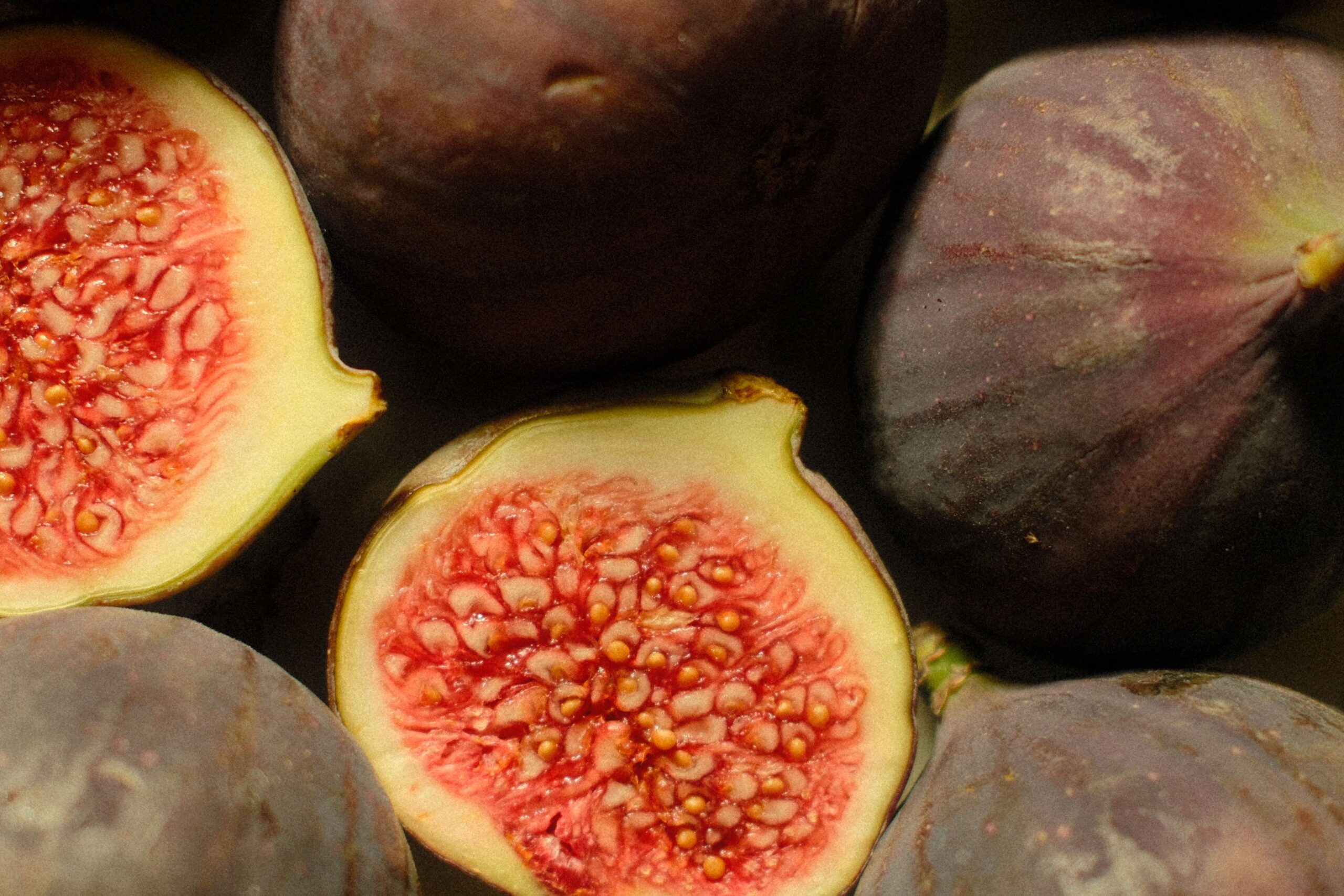
to eat dried apricots, figs made delicious 
by their thirst, dates shriveled to such sugar. 
But arid, the rosemary only drops  
its needles in the dirt. How can I help it  
last beyond this season of uncertain winds,  
the chill that enters the garden overnight 
like rough fingers dragging across branches.  
My mother walks so well now. It’s easy  
to forget most of us are closer to impatiens,  
soft-petalled, tender at extremes. 
We are blossoms that need a partial shade. 
We make no promise of returning every year. 


[Purchase Issue 32 here.]


Jehanne Dubrow is the author of ten poetry collections, a craft book, and four books of nonfiction, including most recently Frivolity: A Defense. Her writing has appeared in numerous literary journals, including New England Review, The Southern Review, and Ploughshares.
From the beginning, The Common has brought you transportive writing and exciting new voices. We are committed to supporting writers and maintaining free, unrestricted access to our website, but we can’t do it without you. Become an integral part of our global community of readers and writers by donating today. No amount is too small. Thank you!

Entering the Garden

Related Posts

For the Love of Loons

JAMES K. BOYCE
The human fascination with loons spans cultures and generations. For many who live in the north woods or spend their summers there, it has become a love affair. In 2025, the common loon was named “Bird of the Year” by the American Birding Association.

Headshot of Samuel Kolawole

Hyena Boys

SAMUEL KỌ́LÁWỌLÉ
The hyena boys came to Bonaventure, which was serendipitous, because he was used to avoiding the world before the world spurned him. For one, his white albino skin flecked with dark spots made him a regular target of mockery.

coffee with a spoon

If It Wasn’t for Heroin

AMIYA MORETTA
My Umatilla grandfather / who had one leg, lived down the road, / hobbled to her heroin loyally. / That’s how / my mom and dad, neighbors whose parents / were good friends and fellow addicts, / met as kids, played together / on Frieda Street, those mornings