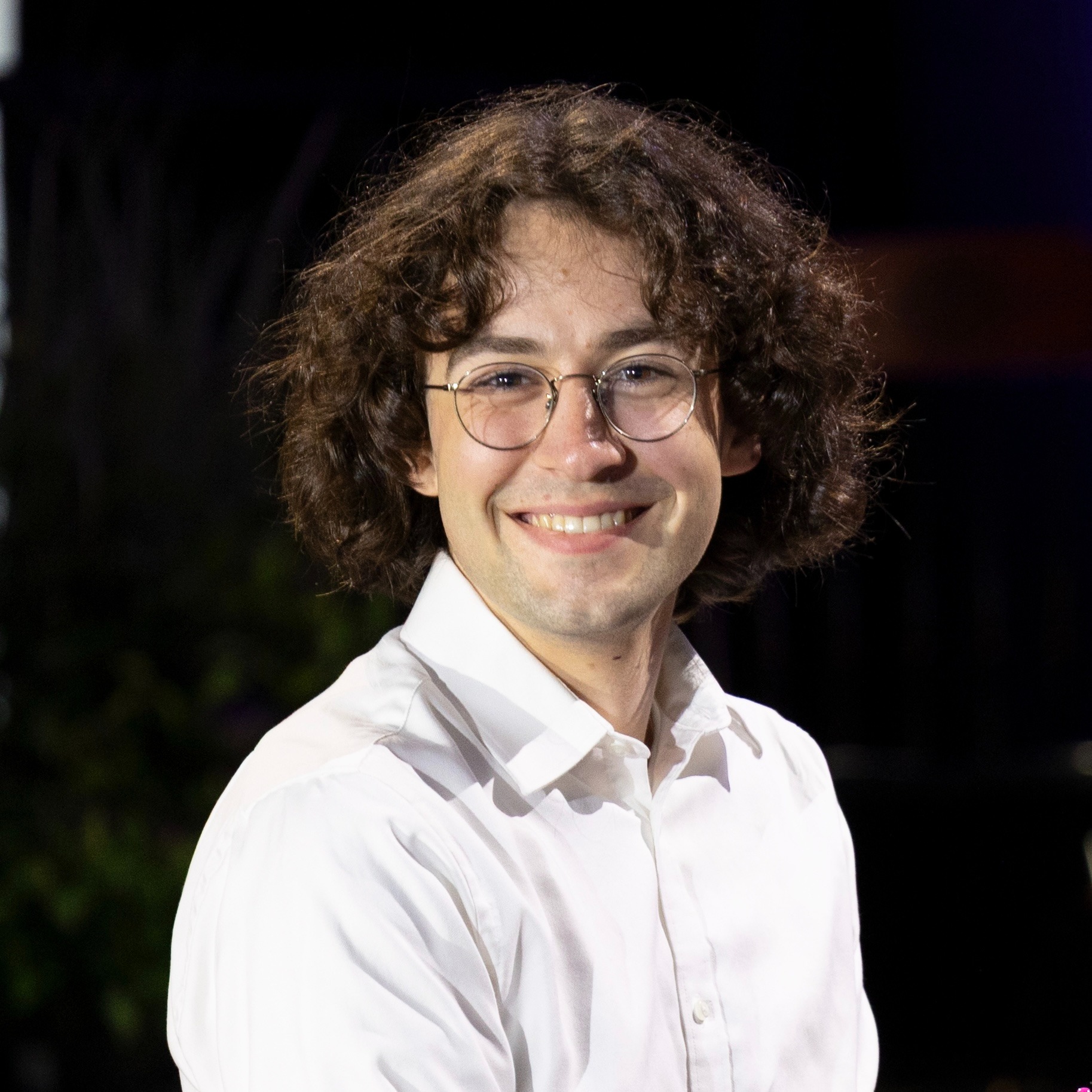
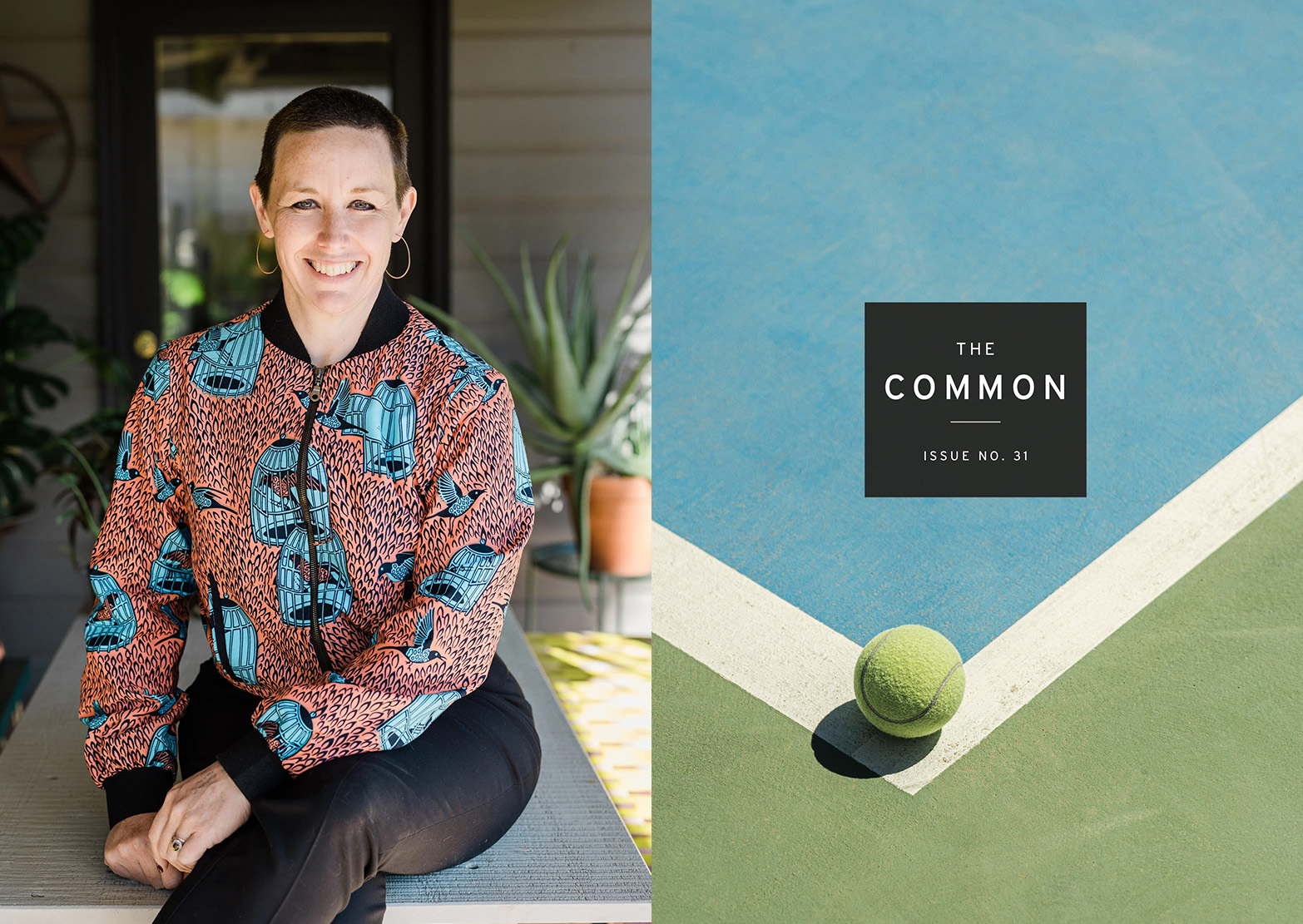
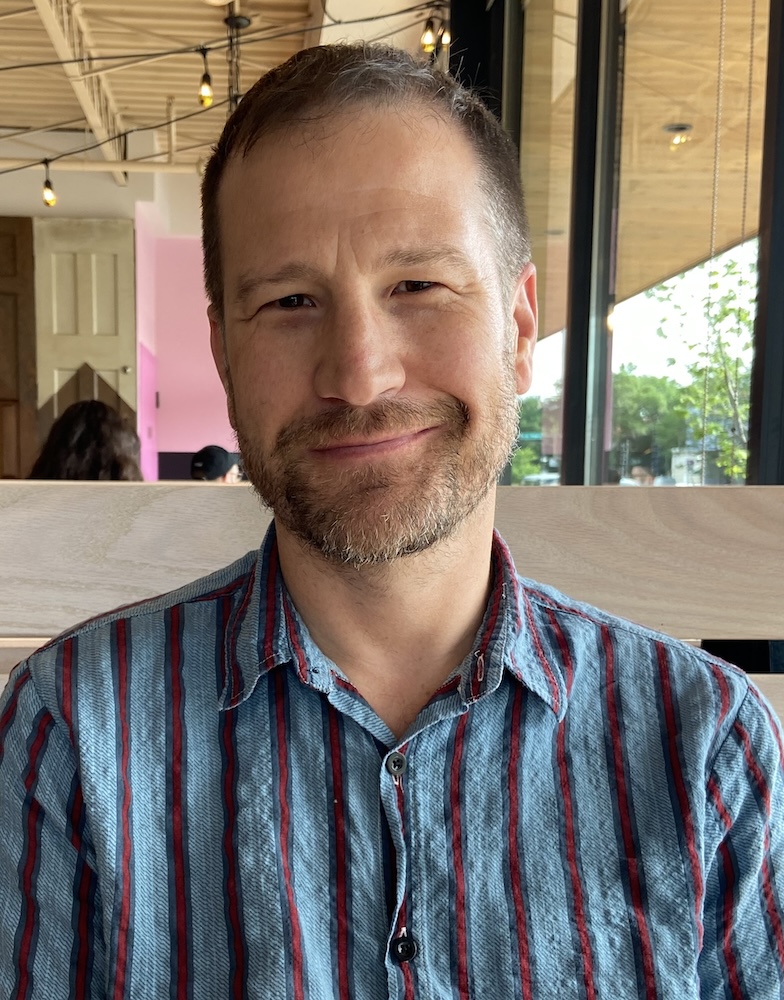
(Amherst, Mass. July 14, 2026)—Award-winning, international literary journal The Common announced today that Ben Tamburri ’27 will be the fourth recipient of the David Applefield ’78 Fellowship. The fellowship, the magazine’s first endowed student internship, was established in 2022 by the friends and family of David Applefield, a literary polymath who attended Amherst College and founded Frank, an eclectic English-language literary magazine based in Paris.
Ben Tamburri
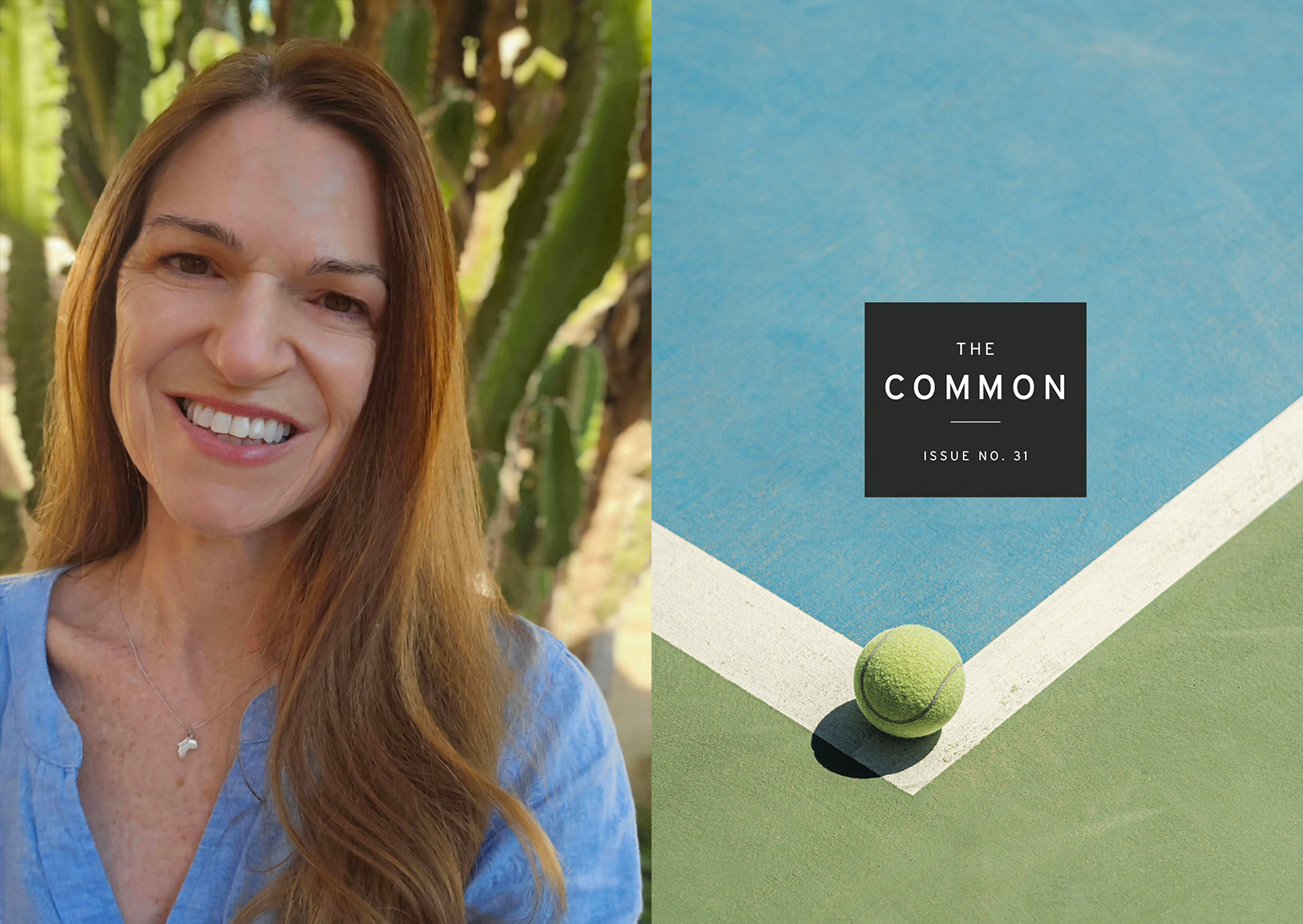
Podcast: Juliet McShannon on “Rescue”
Transcript: Juliet McShannon Podcast.
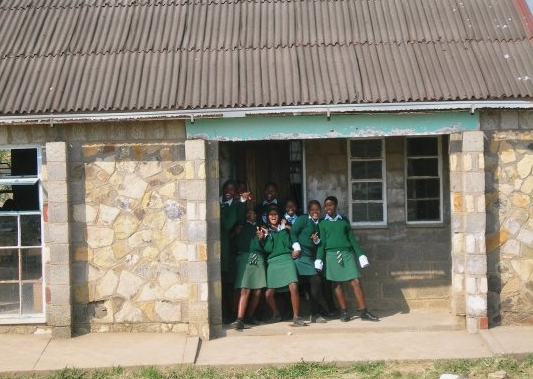
Juliet McShannon speaks to Emily Everett about her story “Rescue,” which appears in The Common’s spring issue. The story follows a woman on her search for a lost dog through a neighborhood very different from her own, and explores ideas of loss, class, community, and healing. Juliet also discusses how her childhood in Apartheid South Africa, and young adulthood practicing law during the time of transition that followed, has shaped her writing.
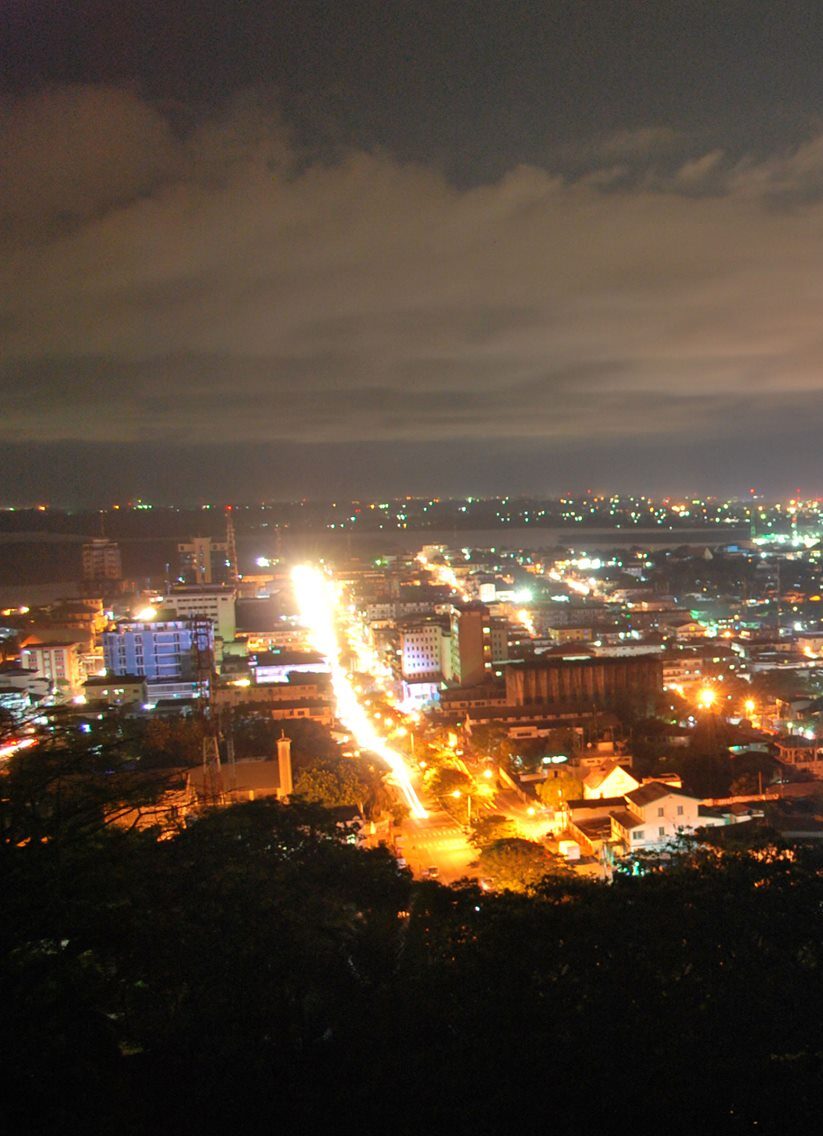
Electricity Comes in the Morning
Monrovia, Liberia
At night, Monrovia hums differently. The city does not sleep; it simply waits for current, for rain, for something brighter than the day’s promises. The fans stand still, as if they are guards unable to protect anyone. Refrigerators sigh into silence. Somewhere in the distance, a generator coughs to life, and the sound ripples through the neighborhoods like a tired prayer being repeated by many.
Pink Days
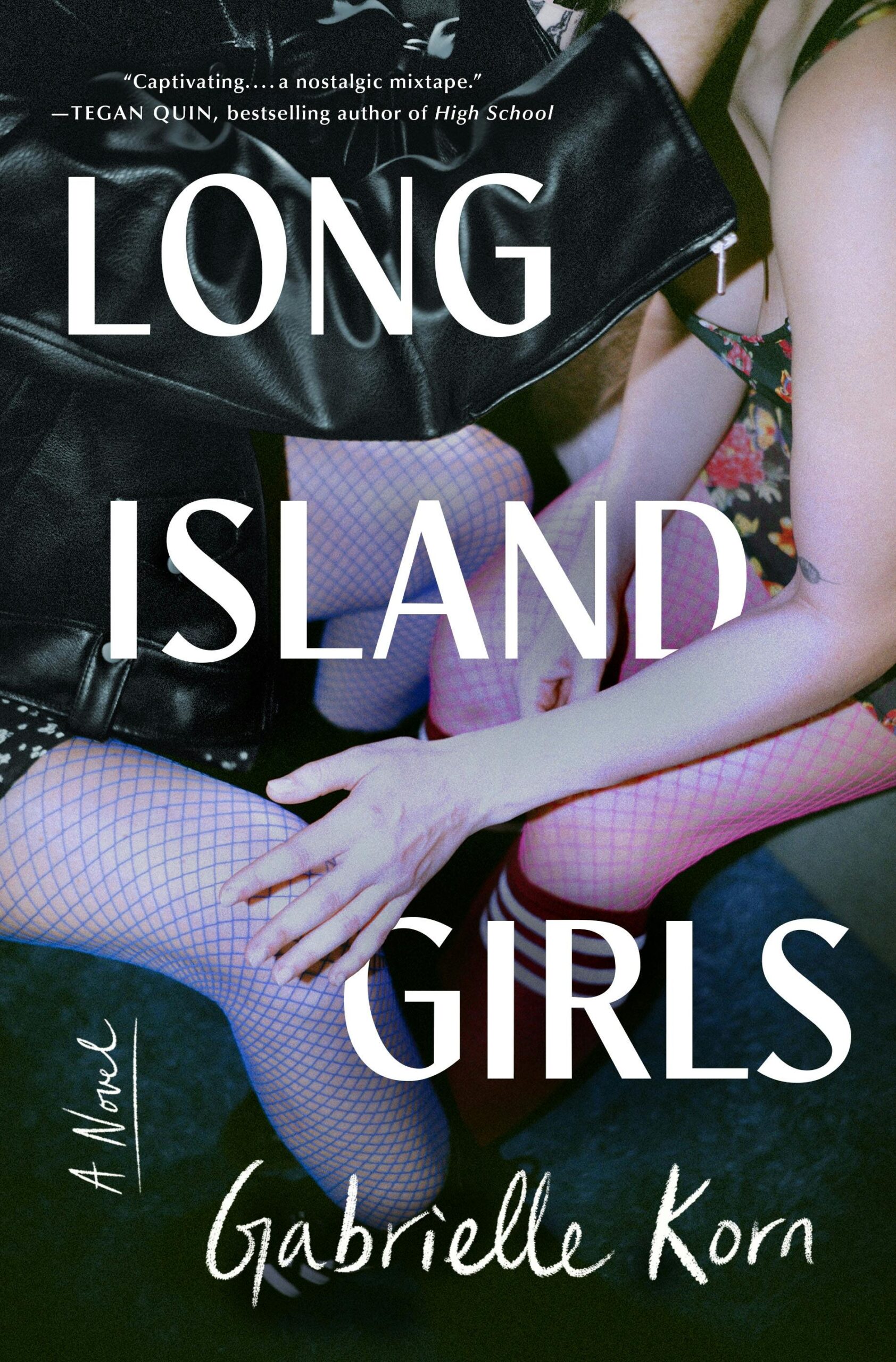
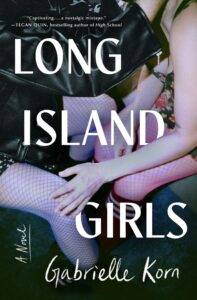
Excerpted from Long Island Girls
Susan wanders aimlessly down the alt rock aisle of Tower Records, one parking lot over from the Walt Whitman Mall, next to the TGI Fridays. She runs her fingers along the top edges of the CDs while a Fall Out Boy song plays through the store’s speakers, nails on a chalkboard with its high-pitched harmonies. She’s wearing her large headphones like a necklace, plugged into a Walkman in her black pleather messenger bag.
Podcast: Ro Skelton on “Naow’s Boutique”
Feltspade
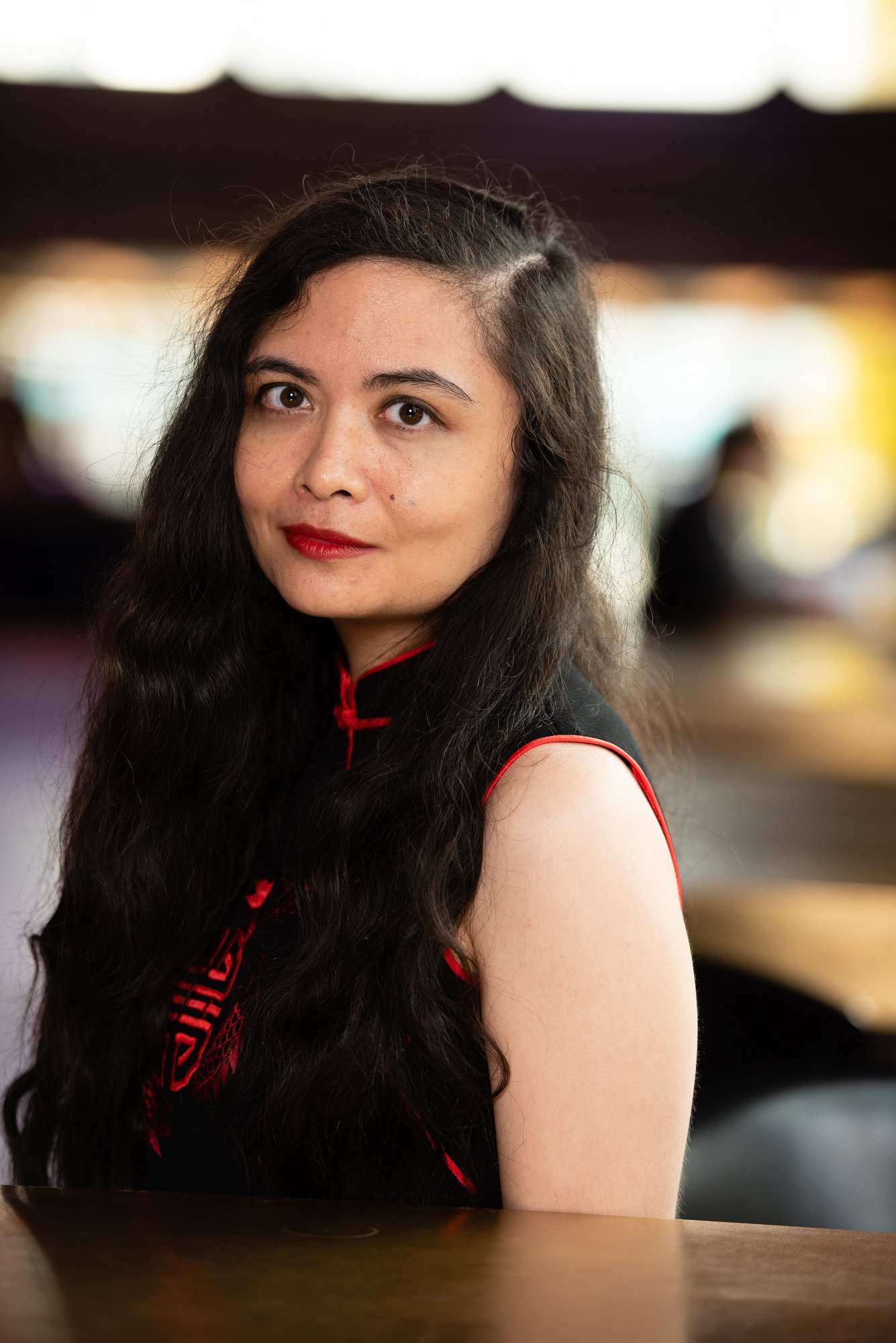
Poem by ELIAS SADAQ, translated from the Danish by DENVER DAVID ROBINSON.
The piece appears in both English and Danish below.
Translator’s Note
I bought a copy of Elias Sadaq’s debut poetry collection DJINN on a windy December morning in Copenhagen in 2024. Although I’m not Danish, Moroccan, or Muslim, I’ve spent over half my life going between the United States and a small seaside village in Denmark not so far―in kilometers―from where Sadaq grew up. I was curious to know what it’s like to be of Danish and Moroccan descent, queer and Muslim, and come from one of (highly homogenous) Denmark’s most ethnically diverse districts, a place I had visited occasionally with my father. Sadaq’s work enchanted me immediately. There was much I recognized, and more I did not, including incantations to punish and protect. As I read, I scribbled a rudimentary translation in pencil next to his lines. Eventually, I reached out to Sadaq, who gave me permission to translate and seek American publishers for his work. Now, after several months of collaboration and getting to know one another, I have finished my translation of DJINN. I’ve learned so much in my work with Elias, who is one of Denmark’s most versatile and exciting new artists. For one, my understanding of modern street Danish has improved. More importantly, his generosity and playful curiosity have inspired me in this time of increasing discord. His work opens doors, welcoming all who care or clamor to enter―strangers, DILFs, saints, and demons―while narrowing the gap between the sacred and profane.
A felt spade is a military entrenching tool, a survival shovel, but also carries a derogatory connotation employed to infer one is an idiot. I considered translating the title with an English colloquial equivalent, such as blunt instrument, dull blade, or simply tool. In the end, I chose to keep the literal translation to allow readers to sit with the original title’s ambiguity.
― Denver David Robinson
The Sound the Sun Makes
The village sits in the throat of the Maloti mountains, which hum pink with the setting sun. From east to west, the mountains resemble many fists, the knuckles as peaks, the fingers as slopes, the space between a deep emerald.
Tsepiso—fifteen, lover of algebraic maths, The Bold and the Beautiful, and the Greek-American singer Yanni—must walk to the village pump and return home before dark. Thabang, her neighbor, who saves sweets for her from the Chinese shop, intends to marry Tsepiso. This news drifted through the village like a Sunlight soap bubble, and so Tsepiso’s mother has warned her to be home early. Otherwise, Thabang will take her into the maize fields, lay her down, and make her a wife.
A Story is an Offering: Notes on Storytelling and Inherited Memory
A story is an offering—
something with a bright, burstable skin and tender flesh.
Whenever my mother gives me one of her stories, I watch her cut into it, lay it out for me in a way I can consume, in a way she can bear.
Both Sides of Winter
Our hour at the clinic, test
results and what the doctor guessed.
Then the bright intensity
out on Industrial Boulevard,
the late October sun so hard
and air so crisp that everything
felt close and brash and nearly stung.
Husbandry
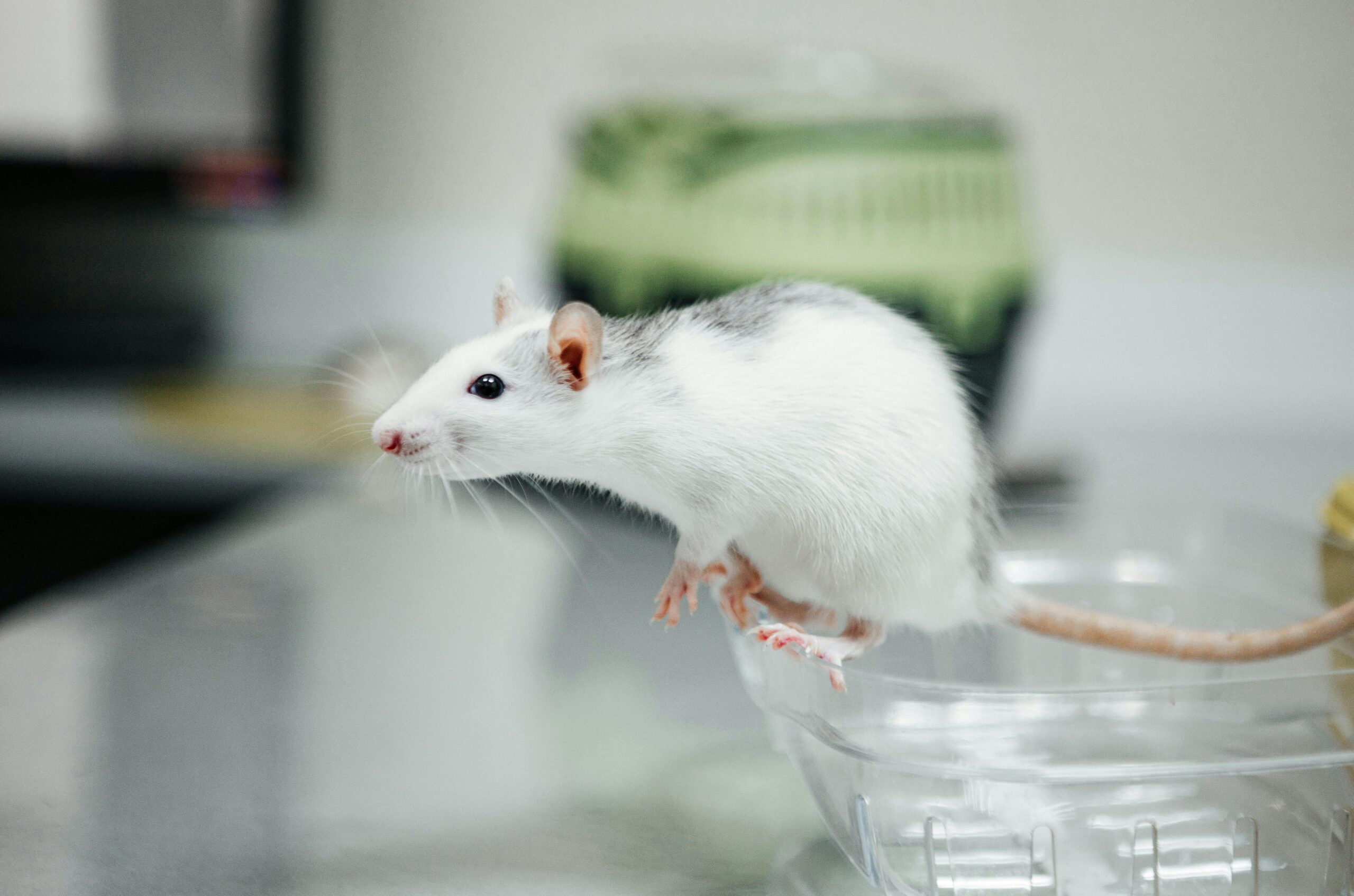
When Nayana came out of the garbing room, Noah forgot all about the pinworms. He forgot about the perianal tape test he’d just done on the sentinel mouse in Room 8, and he forgot about the disinfecting he’d have to do for the rest of the week. He forgot about the yellow paper gown, elastic hair bonnet, and rubber gloves he was wearing. He knew only the ray of Nayana’s smile, her scent of lemon and ginger.
“There’s a pinworm issue in Room 8,” he said, floating down the hall behind her. “But don’t worry—your mouseys are fine.”