By MARC VINCENZ
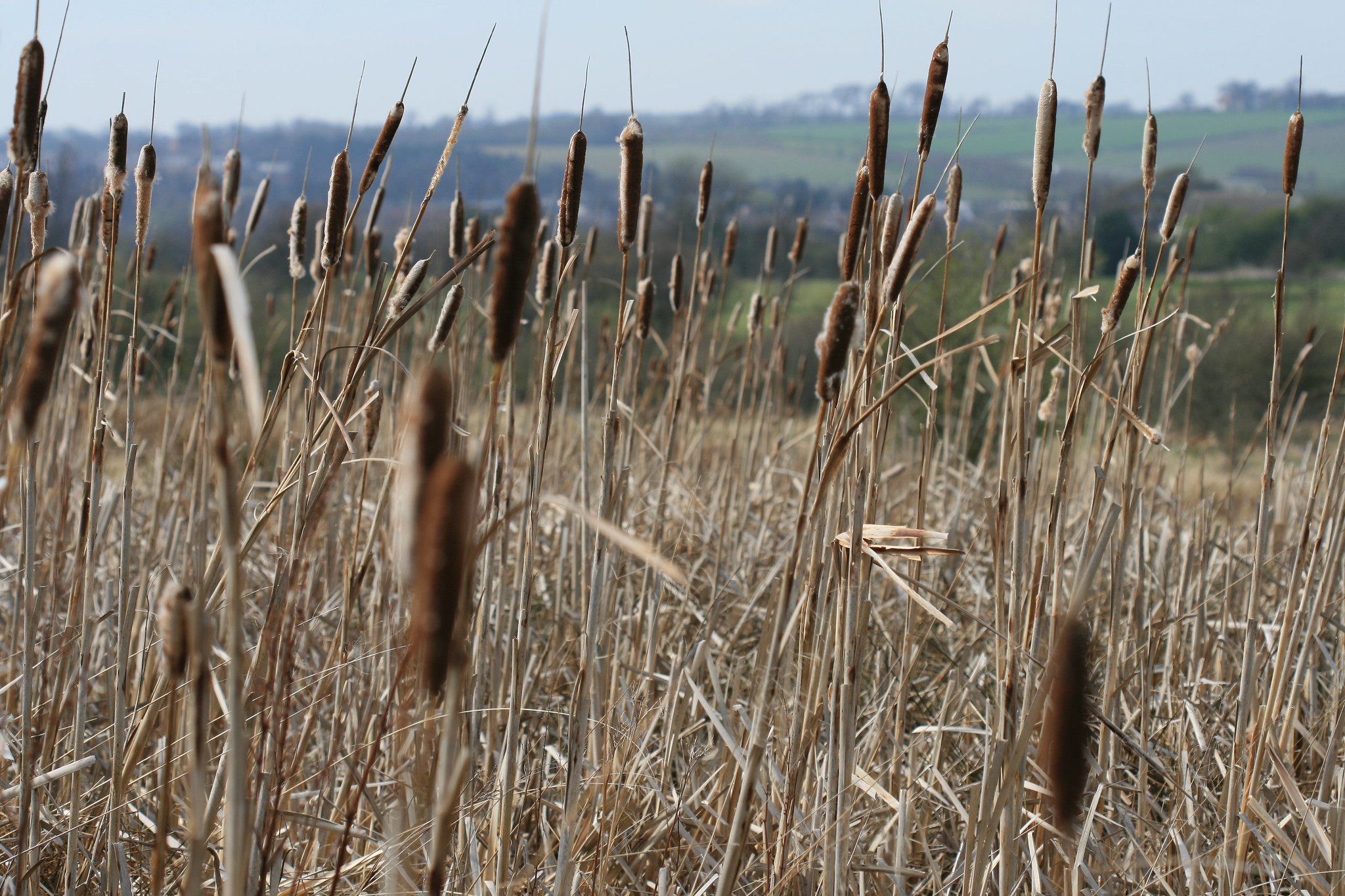
It seems all the light of morning
has descended here where it’s usually dark
and frogs raise their heads in the bulrushes,
where the last sounds swarm among the oaks.

By MARC VINCENZ
It seems all the light of morning
has descended here where it’s usually dark
and frogs raise their heads in the bulrushes,
where the last sounds swarm among the oaks.

By ALLISON FUNK
in County Meath, Ireland
You must leave everything you’ve carried
to enter the tomb, says the guide
pointing to the passage grave
mounded with earth. From outside,
the tumulus all but obscures
death’s reach,

They could have danced straight out
of a Brueghel painting into our basement,
partially finished in fake wood paneling
and a dropped ceiling that still left
some plumbing exposed—
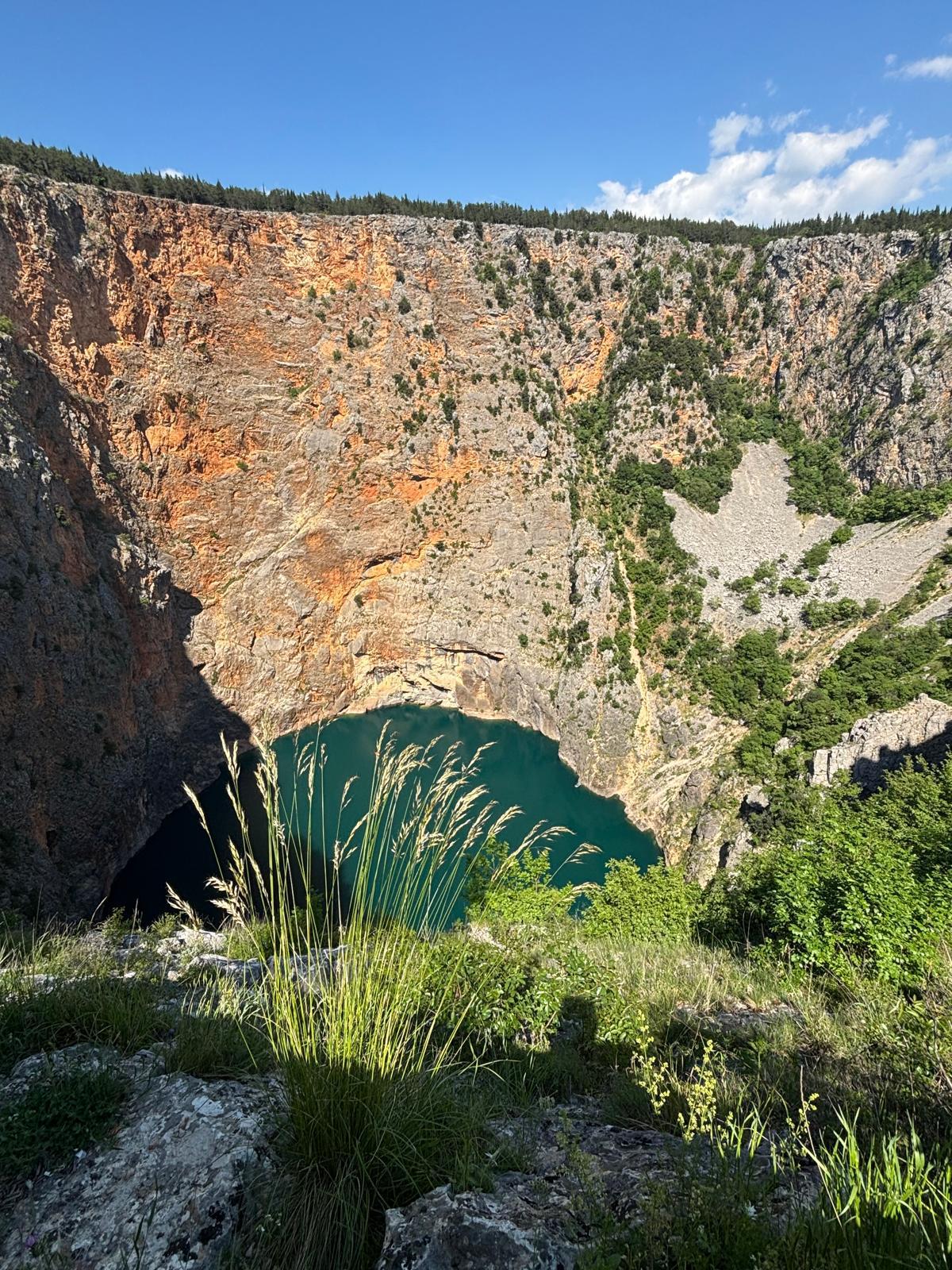

Photo courtesy of author
Red Lake, Croatia
“Why are they so persistent in trying to explore the unknowable?”
~Comment from a villager, following the latest Red Lake expedition

By TERAO TETSUYA
Translated by KEVIN WANG
The piece appears below in both English and the original Chinese.
Translator’s Note
“Some Kind of Corporate Retreat” is collected in Terao Tetsuya’s Spent Bullets (HarperVia, 2025), a book of nine linked short stories about Taiwanese prodigies turned disillusioned Big Tech engineers. In official American narratives, immigrant experiences often become flattened into palatable arcs of resilience. But this story insists on being wounded, unresolved, and playfully deviant in its exploration of hollow relationships and a simmering desire for destruction.
By BEN TAMBURRI

Photo courtesy of author
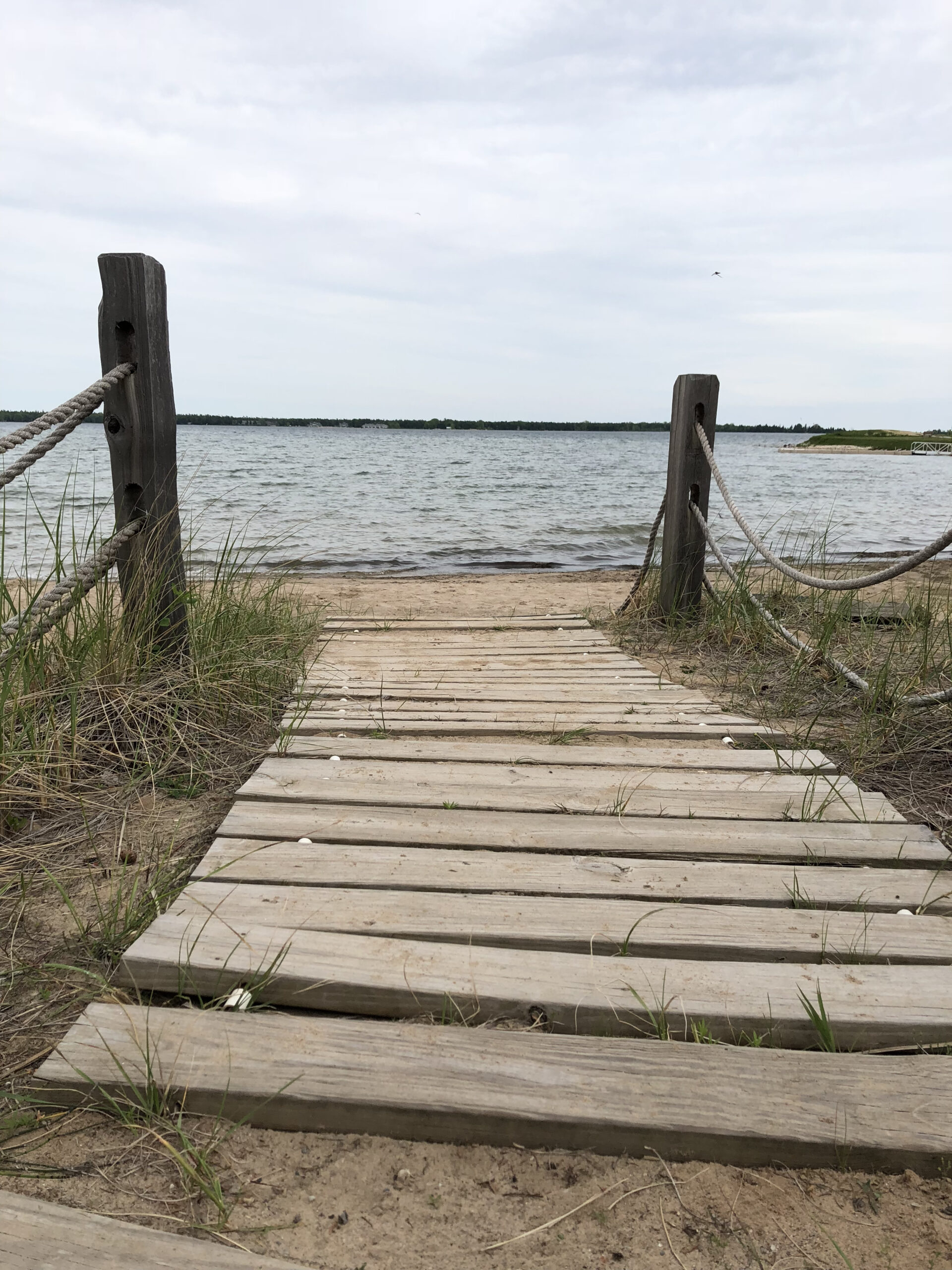
Baileys Harbor, WI
Baileys Harbor has always felt like a place that is eternally old, eternally in the past. It is a destination for quiet summers on the Wisconsin peninsula, where the insignia of range lights and lighthouses decorate the bathroom of every home, and Dala horses wreath the doors. It was the place of my youth, even if it was only for a week each year. As a kid, when my family visited, I felt at home among the retired condo-dwellers.

By PHOEBE HYDE
The family are in the kitchen waiting to eat as the enemy soldiers approach the house. It’s already dark, and the man and child are restless at the table, waiting for the woman to pronounce the eggs set. She’s an excellent and exacting cook who will not be rushed. As the soldiers step onto the porch outside, the grandmother distracts the child with a joke: what did the rooster say to the wolf? and in the pause before the punchline, the first knock on the door falls—boom—and explodes—boomboomboomboom!

We think 15 years of The Common is worth celebrating, and we want you to be there when we do! Join us for a conversation, Q&A, and book signing at the Brooklyn Book Festival this September.
Our special guests will include Emily Everett, TC managing editor and author of the Reese’s Book Club Pick All That Life Can Afford; Olivia Wolfgang-Smith, former TC social media editor and author of the novel Mutual Interest; Annell López, author of the story collection I’ll Give You a Reason; and Ananda Lima, author of Craft: Stories I Wrote for the Devil. Come hear these writers discuss how themes of home, immigration, and belonging reverberate in their recent work. After the conversation, we’ll have an audience Q&A and book signing.

Tickets are free, but be sure to RSVP here to reserve your spot. Please share this with anyone who might be interested. We’d love to have a full house.
Not local? Don’t worry! The entire event will be live-streamed on Youtube, so you’ll be able to hear these amazing authors speak from wherever you are in the world. We hope to see you there!
By TOM ROSS
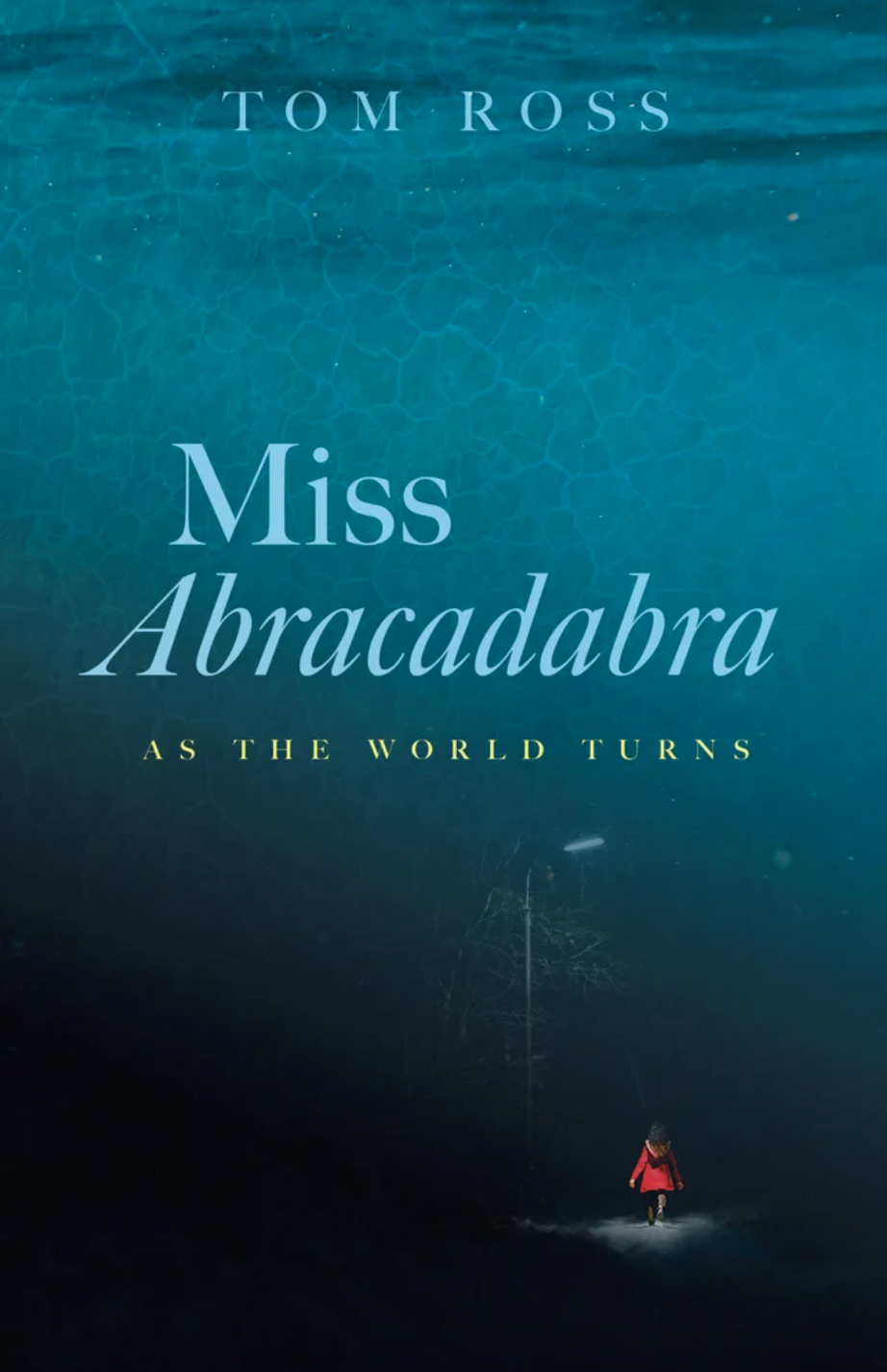
Review by TERESE SVOBODA
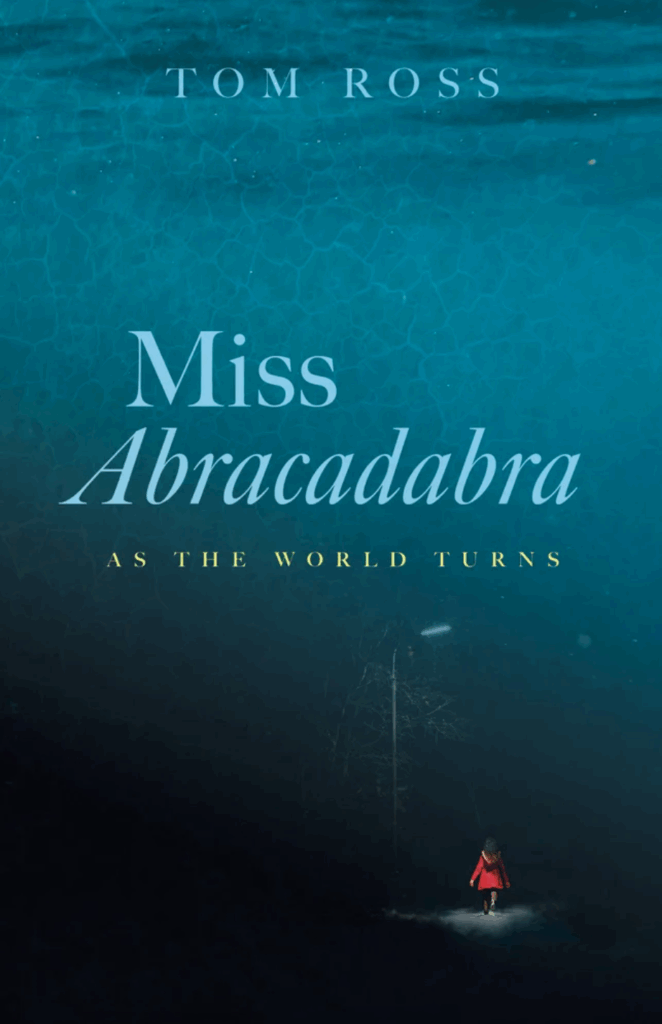
My copy of Miss Abracadabra is appallingly dogeared in my attempt to mark its most exquisite parts. Although amazed to discover that this is Tom Ross’ debut novel, I am not surprised that the venerable Deep Vellum published it. Miss Abracadabra is only the second novel they’ve taken on in twelve years that’s not a translation. What magic did Miss Abracadabra conjure to convince them?

By EMILIA PARDO BAZÁN
Translated from the Spanish by ALANI HICKS-BARTLETT
The piece appears below in both English and the original Spanish.
Translator’s Note
Emilia Pardo Bazán’s short story “A secreto agravio…,” which I have translated here as “For A Secret Grievance…,” emerges, in part, from Pardo Bazán’s vibrant and perspicacious reimagining of another important work: “A secreto agravio, secreta venganza” [“For a Secret Grievance, a Secret Vengeance”], an Early Modern play written by the Spanish playwright and priest, Pedro Calderón de la Barca (1600-1681), and printed in 1637. Calderón’s tragedy, one of an unfortunate “trilogy” of wife-murder plays he authored featuring a fatal confluence of jealousy, suspicion, and problems of fidelity that led to the wife’s unjustifiable death, was hugely popular on the premodern stage while also being in dialogue with a wider genre of plays featuring uxoricide and conflicts of honor and faith (we might think of “Othello,” for example).

Don’t miss an issue! Subscribe to The Common.