Mila Massaki Gomes

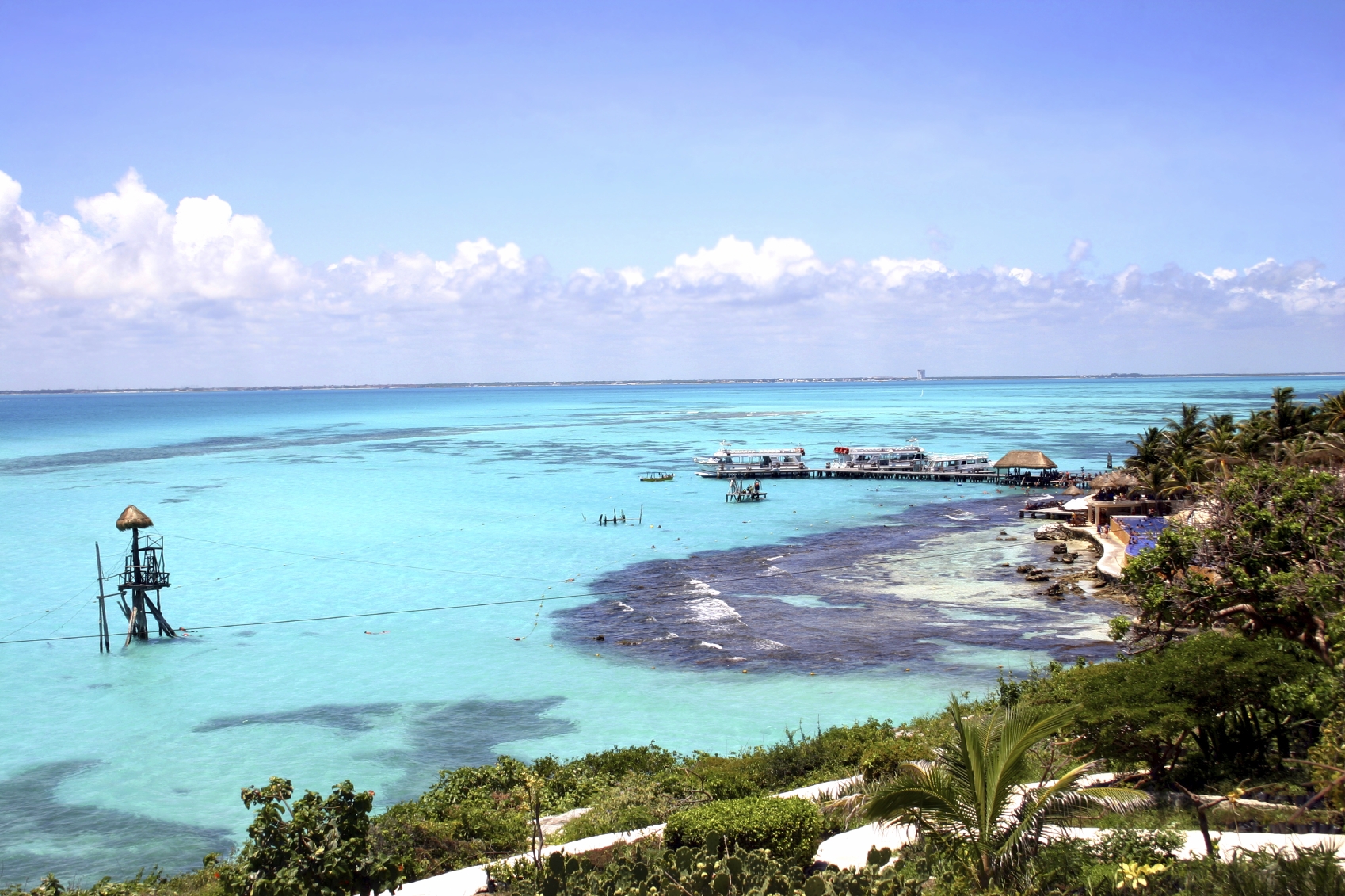
Self-Portrait in The Caribbean

By PAOLA ASSAD BARBARINO
Translated by MAGDALENA ARIAS VÁSQUEZ

Poems appear below in English and the original Spanish.

Translator’s Note:
Paola’s poetry, which I have been translating for a while now, is fundamentally Venezuelan and has to be understood in that context. The challenge for me is to render this context as best as I can from my position as an outsider. “Autorretrato en el caribe” or “Self-Portrait in the Caribbean” was a particularly challenging poem to translate keeping this in mind. It’s also one of my favorites of hers. It relies heavily on Venezuelan history and an understanding of their political context. The most prevalent example of this is the quotation, “¡Entonces yo tampoco quiero mando!” which is a historical allusion to Capitán Emparán, who, in the face of the Spanish crown’s decaying power in Venezuela, famously used the words to renounce his position in government, granting Venezuela independence from Spain. It directly translates to “Then I too do not want to be led” or “Then I too do not want to lead.” The double sense of the phrase in Spanish is particularly interesting in the context of the poem. I chose to keep it in Spanish to keep this double meaning, and also to assert the phrase’s origin as Venezuelan, whose context may not be readily available to an Anglophone reader. The final stanza of the poem is one of my favorite lines that Paola has ever written. Speaking from the position of someone living through exile, Paola’s poetry is politically and personally charged and speaks to the complicated space she inhabits.
Self-Portrait in The Caribbean
Read more...

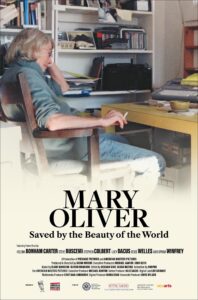
Review of Mary Oliver: Saved by the Beauty of the World

Film by SASHA WATERS
Review by HANNAH GERSEN

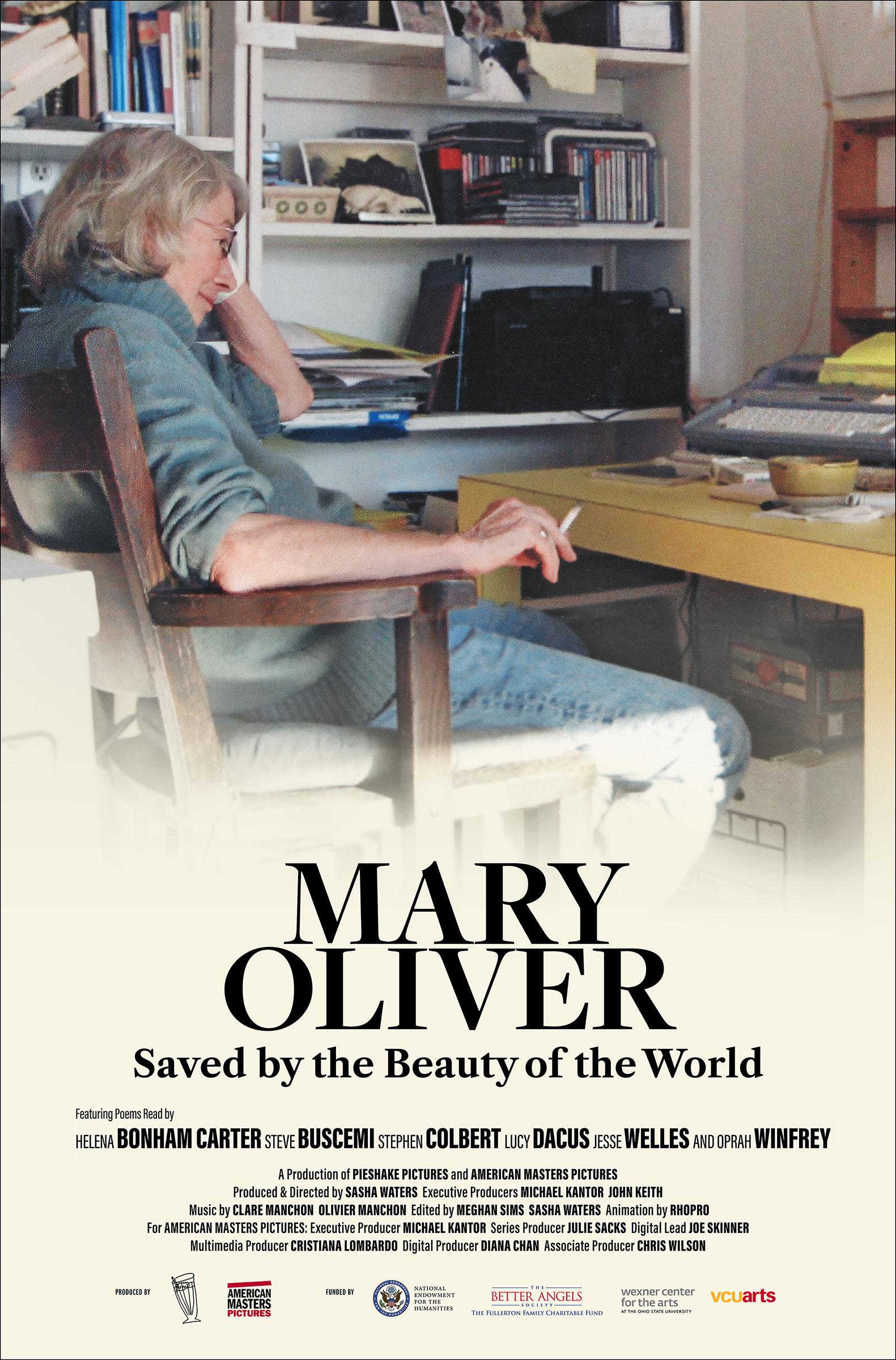
Poster for Mary Oliver's Documentary featuring her before a computer

Mary Oliver is a poet whose work is so well-known, so ubiquitous, that even if you think you’ve never read her, you’ve probably heard snippets of her poetry or seen lines of it on Instagram or tumblr. The phrase “your one wild and precious life” from her poem “The Summer Day” and “the soft animal of your body” from “Wild Geese” have become memes. She has a seemingly universal appeal that transcends age, gender, and politics: everyone seems to think she is speaking directly to the concerns of their soul.

Review of Mary Oliver: Saved by the Beauty of the World
Read more...

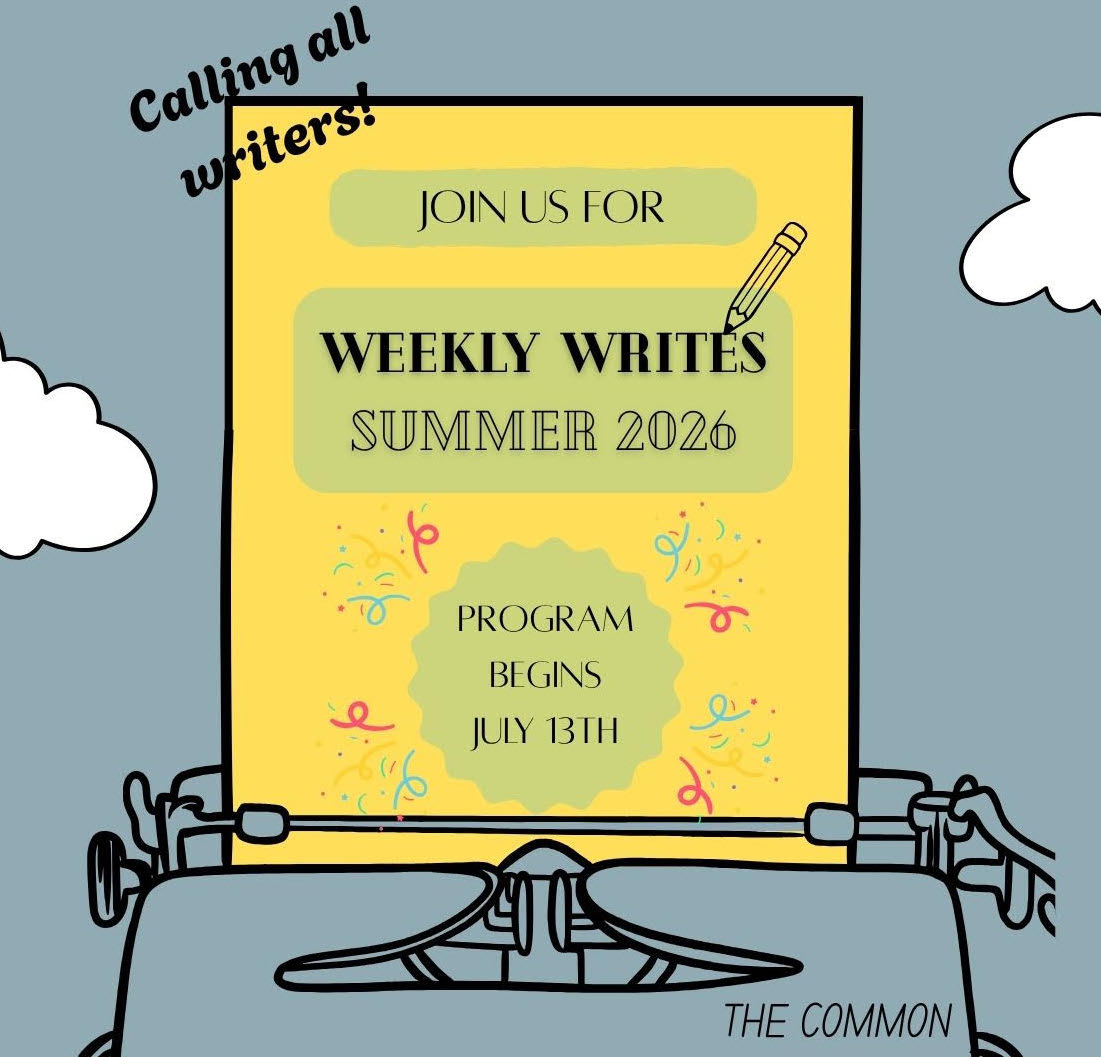
Weekly Writes Is Back for the Summer! Join for Motivation and Accountability

Does the summer heat have you in a writing slump? We’ve got you covered! Weekly Writes is a ten-week program designed to help you create your own place-based writing, beginning July 13.

Weekly Writes is offered in both poetry AND prose, as two separate programs. Whether you’re the next Frost or Ferrante, pick your program, sharpen your pencils, and get ready for a weekly dose of writing inspiration (and accountability) in your inbox!
 

Weekly Writes Is Back for the Summer! Join for Motivation and Accountability
Read more...

Rescue

By JULIET MCSHANNON


The dog is crossing a circle. Dawn light catching silver strands on a gray coat, saliva on a panting tongue, a red collar. A lost dog.  

For an instant, we lock eyes, then I continue around and take the north exit. I’m in a hurry to get to the meet-up point. My first time running with others and I’m dreading it, but doctor’s orders and all that. Besides, I’ve promised my husband. I will be late, I will be late, I will be late, I say through my teeth, then pull over to look for the dog. 

Rescue
Read more...

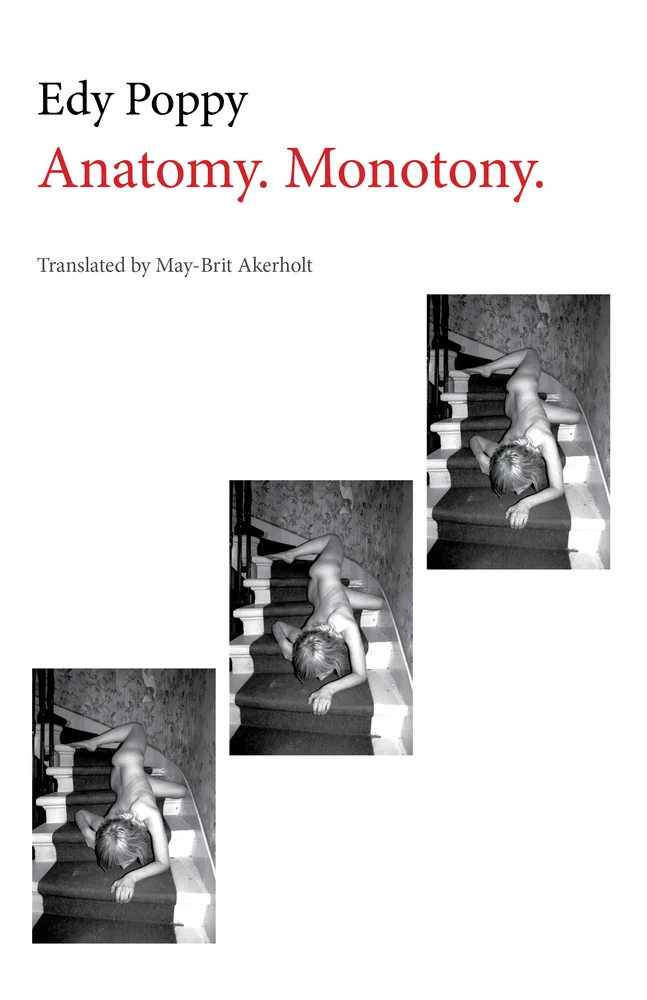
The Art of Unsettling: The Complexities of Freedom and Fidelity in Edy Poppy’s Anatomy. Monotony.

By EDY POPPY

Reviewed by BRITTA STROMEYER


“For my husband, who has given me everything, even what I didn’t want. (He’s now my ex-husband.)” reads the dedication in Edy Poppy’s award-winning and spicy debut novel Anatomy. Monotony. It’s an irresistible hook, inviting the reader into a novel that explores the author’s experiences in an open marriage, the evolving sense of place as a search for identity, and the adventure and challenges inherent in the act of writing itself:

“I want to write about the people, the loneliness, and the language here. I feel at home but I’m a stranger, don’t belong, can’t express what I truly feel.”

The Art of Unsettling: The Complexities of Freedom and Fidelity in Edy Poppy’s Anatomy. Monotony.
Read more...