not even you who caused it.
& no one can take my madness
not even my honied friends
who try to pull me back from
the edge of myself, who update
each other in the groupchat
of how my body is wasting

![[No one can take my anger]](https://www.thecommononline.org/wp-content/uploads/2026/04/1419132290_c90a4c34e3_b.jpg)
not even you who caused it.
& no one can take my madness
not even my honied friends
who try to pull me back from
the edge of myself, who update
each other in the groupchat
of how my body is wasting
for Ange Mlinko
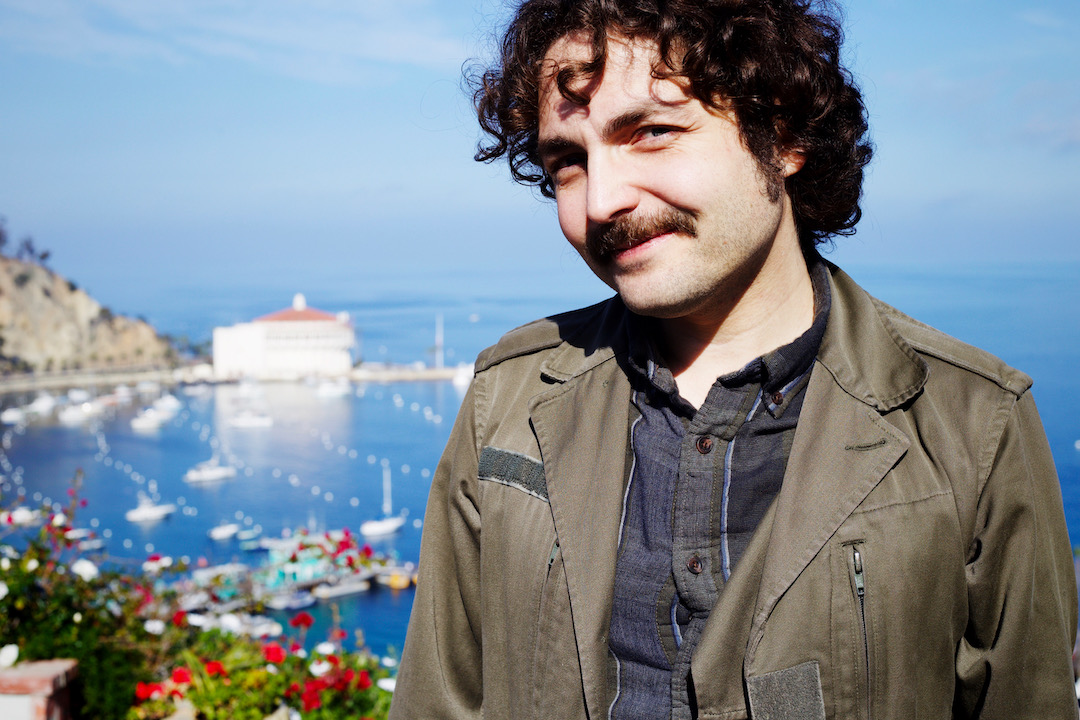
Of C. H. Krumm—Charles Harrison, or Harry—
a single trace remains on Catalina,
so oxidized, so salt-worn I could barely
make out the name. How many must have seen it
while rambling from or trudging to the ferry
and given it no mind, no second look?
consider articulation, both speech
and the assembly of a joint,
the cooperation of bones and
marijuana; English: Mary Jane:
shoe, or the talentless friend you
secretly love who is also the pretty,
skirted woman in Spiderman who

Despite the brief streaks of self-
belief, a stubborn defeat pervades.
Absent a job, absent a title.
I want to declare: a great undoing has taken place.
And I don’t know where to search for the bricks
that once made up the house of who I used to be.
![In Place of River I’ll Use [God]](https://www.thecommononline.org/wp-content/uploads/2026/04/Ezza-Ahmed.jpg)
By EZZA AHMED
Ten days behind my tongue
summer in the diasporic,
riding thick in the smell of [God]
and fresh cloves.
By [God] I mean the monsoon season
where water appeared in snake-like streams
erasing all traces of my
present tense.
By EZZA AMHED
Because I didn’t say Mashallah when she swapped her nose stud for a hoop and two days later I’m met by the bursting bulb of blood and pus which seals the fibrous innards of her nose cartilage on the outside sits the bulb pulsing expanding as if it’s breathing looks like a red evil eye ornament white pupil right at the center she has a nose growing out of her nose

By RACHEL HADAS
The old woman with the art
paces through her silent rooms,
sunlight reflecting off the frames.
Adult children live downstairs
in the basement. Whose is the art?
Is it the world’s or hers or theirs?

By L. S. KLATT
I leave the house unlocked & walk to the garage jacked to
The White Stripes. My mouth is a guitar; snow is in the sound hole.
Spring. I think it’s spring. The automatic door leaps
in its tracks & is music again. I record on my phone a soundwave
as the GTO convertible wheels out of its tomb, the driveway
chartreuse with maple wings. Tell White I’ll cut some garlic

Empty streets, even our taxi
is missing, but the train station
is crowded. I comb
my hair, looking at
the reflection
in the ticket window.

By J. J. STARR
in faith i pray for you…
i wasn’t aware of you
i think of you free
a song a night you…
pieces, i can share
just some with you…
Don’t miss an issue! Subscribe to The Common.