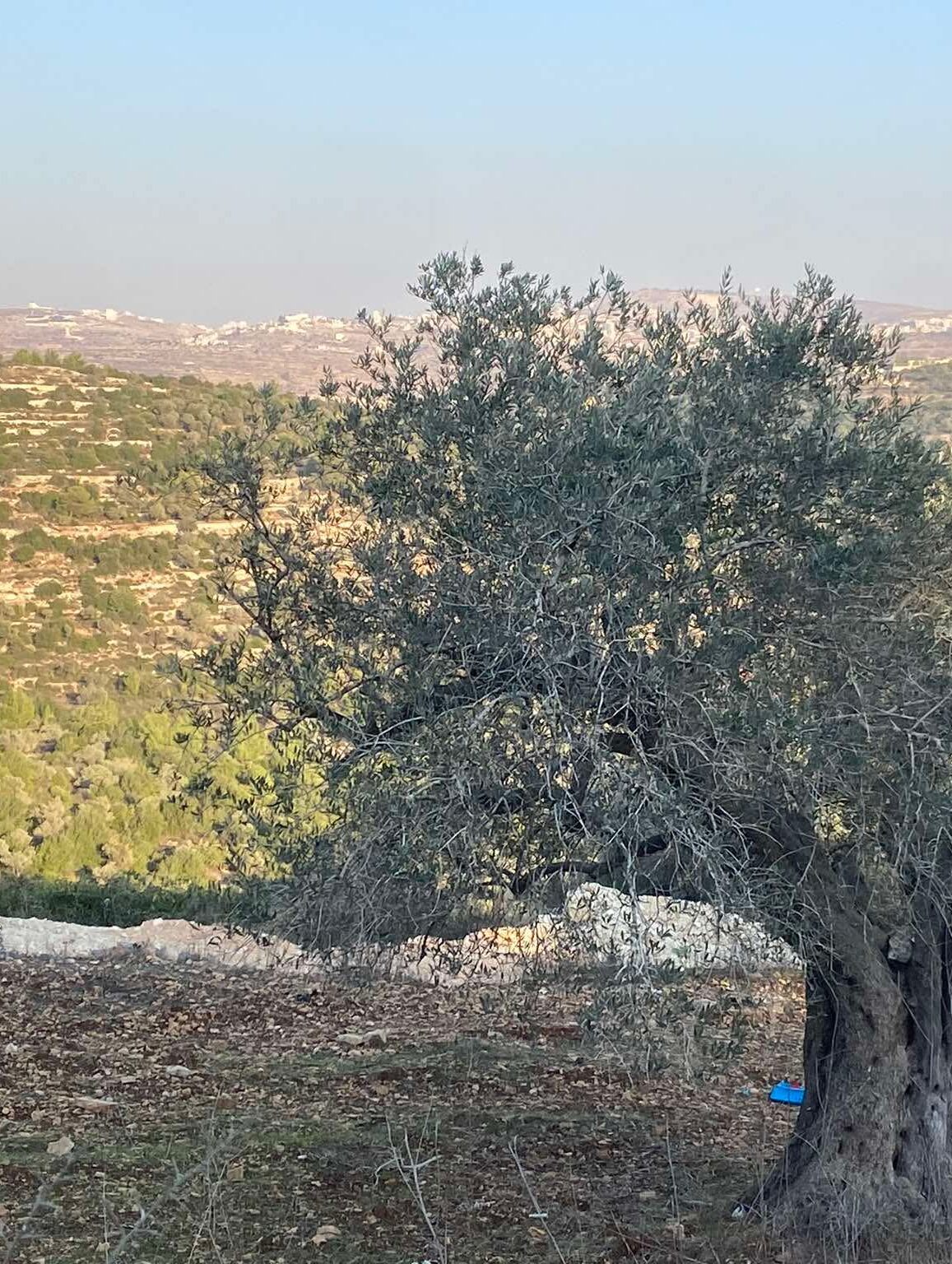
Dover

By NGUYEN BINH


Some strenuous days I
wish to be standing
by the sharp edge of
the tallest, hardest,
most harrowing of
cliffs, with myriads
of silenced conifers,
thousands of muffled
trilobites and hundreds
of stegosaur vertebrae
encaged in the purest
chalk, whereon I would
listen to the gnashing
teeth of seas of beasts
tricked offshore by our
cunning Buddha, who,
based on his rambles,
is never reaching his
hand out to save me,
not if I leap off this
balcony, fast as a love,
into the whale-dark sea,
wishing I were Sơn Tinh to raise
   the tender earth to grab me in the fall.


Nguyen Binh is a writer from Hanoi, Vietnam. Their poetry has appeared in Puerto del Sol, The Common, and Euphony, and their verse translation of The Tale of Kiều has been slated for publication in 2025. Currently, Binh is a PhD student in astronomy at the University of Washington.

[Purchase Issue 27 here.] 

From the beginning, The Common has brought you transportive writing and exciting new voices. We are committed to supporting writers and maintaining free, unrestricted access to our website, but we can’t do it without you. Become an integral part of our global community of readers and writers by donating today. No amount is too small. Thank you!

Dover

Related Posts

Caribbean picture

Self-Portrait in The Caribbean

PAOLA ASSAD BARBARINO
Sometimes I am emboldened, / I decide to stand in the people’s balcony / I decide it is Maundy Thursday I decide to place a priest behind me that can speak to the people behind / my back / I decide to put out the fire and light my throat / scream

Feltspade

ELIAS SADAQ
I serve out my conscription / sleep in a bunk bed / for four cold months / in the engineer regiment at Skive Garrison / in a room with three other men / I fuck the colonel / the only sign that time is passing / is a pile of snow outside the window / that grows smaller

Book cover of Fifty Mothers

Mother is a Kind of Holding: Jenny Qi interviews Preeti Vangani

PREETI VANGANI
With vignettes, I could plumb its narrative arc to become a force propelling the book forward. It also felt haunting yet warm that the mothers kept reappearing throughout the life of this grief. That repetition created a chorus of voices that angers and despairs, yet cradles the speaker.