Entering the Garden

By JEHANNE DUBROW 

A new year of trees, and in the yard 
the rosemary is trying to live again,  
its spines broken, darkened from the frost.  
I don’t know whether to water it 
or leave the plant to fortune.
Sometimes my love can drown a thing.
When my mother lay convalescing 
I wasn’t sure how to be a daughter, 
if I should press another cup of tea into her hand, 
vine myself around her wintery bed, 
or go on washing dishes in the kitchen, 
each plate a cold, white stone.  
In the new year of trees, we are meant 
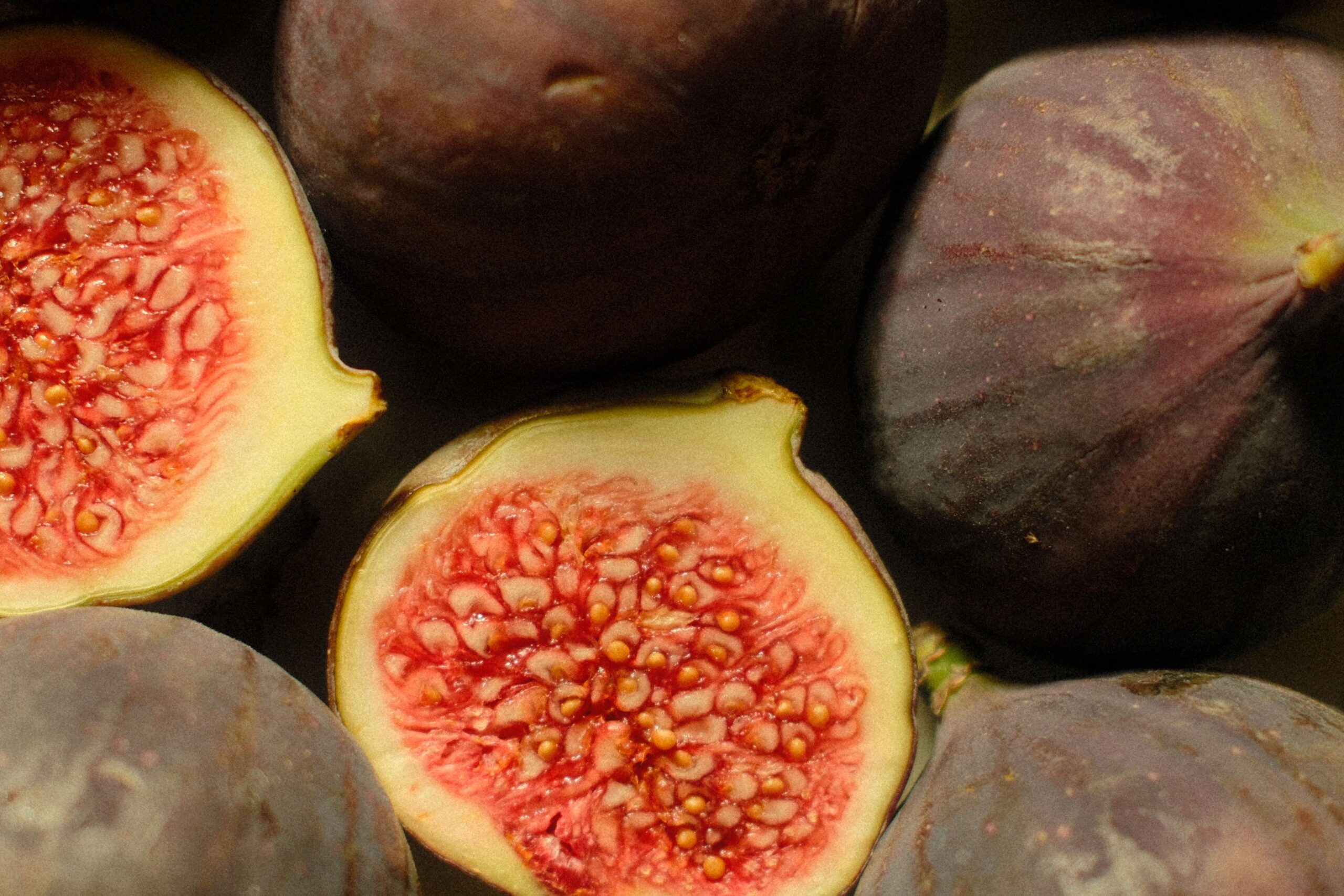
to eat dried apricots, figs made delicious 
by their thirst, dates shriveled to such sugar. 
But arid, the rosemary only drops  
its needles in the dirt. How can I help it  
last beyond this season of uncertain winds,  
the chill that enters the garden overnight 
like rough fingers dragging across branches.  
My mother walks so well now. It’s easy  
to forget most of us are closer to impatiens,  
soft-petalled, tender at extremes. 
We are blossoms that need a partial shade. 
We make no promise of returning every year. 


[Purchase Issue 32 here.]


Jehanne Dubrow is the author of ten poetry collections, a craft book, and four books of nonfiction, including most recently Frivolity: A Defense. Her writing has appeared in numerous literary journals, including New England Review, The Southern Review, and Ploughshares.
From the beginning, The Common has brought you transportive writing and exciting new voices. We are committed to supporting writers and maintaining free, unrestricted access to our website, but we can’t do it without you. Become an integral part of our global community of readers and writers by donating today. No amount is too small. Thank you!

Entering the Garden

Related Posts

drawing of clocks, an eye, and a figure in a slant of light

Liminality in Occupied Spaces

NAGHAM ASAL
Liminality is often described as a transitional state, a threshold between what was and what will be. But in my experience, it is not temporary. It stretches. It settles. It becomes a condition of everyday life.

Book cover of Night of a Thousand Hells

A New Female Gothic in Intan Paramaditha’s Night of a Thousand Hells

LAUREN YU-TING BO
Paramaditha does not abstain from widely acknowledged gothic tropes entirely...and yet, Night of a Thousand Hells contains mainly the horror of reality. We are told from the beginning that it's the story of three sisters and that the youngest sister Annisa, “the beautiful one,” has committed an act of terrorism.

For the Love of Loons

JAMES K. BOYCE
The human fascination with loons spans cultures and generations. For many who live in the north woods or spend their summers there, it has become a love affair. In 2025, the common loon was named “Bird of the Year” by the American Birding Association.