Politics and history crackle through the plotlines of our recommended books this month, as we travel the world experiencing struggle and mourning in a many-layered collage of contexts. Here are four varied works of “healing imagination,” as books both simple and unconventional examine trauma unflinching and then look to what happens next.
Recommended:
Nora Webster by Colm Toibin, Book of Ruth by Robert Seydel, The Association of Small Bombs by Karan Mahajan, Jam on the Vine by LaShonda Katrice Barnett
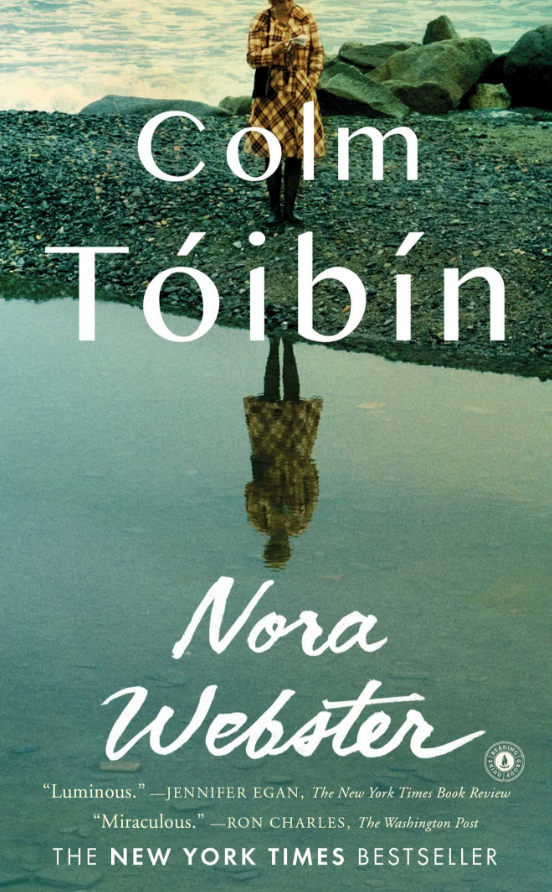
Nora Webster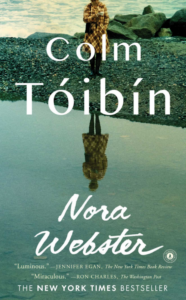 by Colm Toibin
Recommended by Barbara Mayer (Director of Special Projects)
Colm Toibin’s eighth novel, Nora Webster, is a wonderfully simple narrative of a fortyish widow in the Ireland of fifty years ago. Despite Nora’s difficult circumstances—little money, two children still at home, and no recent work experience—her story of the human choices she makes to wind through the maze of mourning to a new life is told without melodrama or judgment. The matter-of-fact description of her husband’s painful death and the loss of her previous life accurately and poignantly reflects the quiet transition many competent women experience. Toibin also subtly weaves in the political turmoil of the times as just another part of Nora’s family experience.
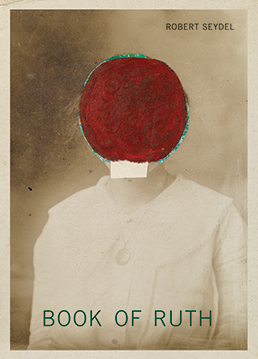 Book of Ruth by Robert Seydel
Recommended by Kelcey Parker Ervick (Nonfiction Contributor, Issue 07)
“Imagination still reigns in me, men & art are nothing & the Bank is less & war & what costs do not enter me. What moves are figures, shapes from dreams, clouds, the stains on walls, only the healing imagination has animals in it.” – Book of Ruth
This month as I finish edits on my forthcoming book of “biographical collage,” which I wrote about for The Common in 2013, I’m obsessed with Robert Seydel’s Book of Ruth—a stunning book of narrative collage. Seydel has created a series of vintage collages and typewritten journal entries set in the world of Joseph Cornell’s Utopia Parkway in Queens, New York. Like her friend Cornell, the protagonist (the author’s aunt Ruth Griesman) quietly and obsessively works on her collage art, which is presented in beautiful full color in the text.
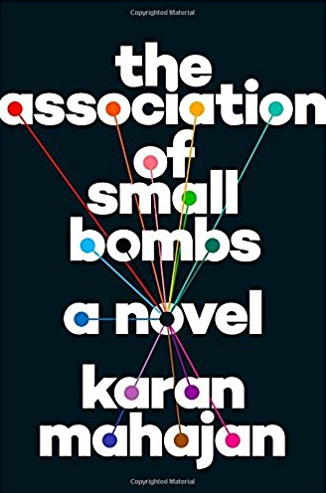
The Association of Small Bombs by Karan Mahajan
Recommended by Sujata Shekar (Fiction Contributor, Issue 09)
The Association of Small Bombs by Karan Mahajan begins with a breathtaking Chapter Zero that describes a terrorist’s bomb exploding in a crowded marketplace in New Delhi. The narrative shrapnel generated by this event is then picked up, poked at, and often painfully excavated from a cast of affected characters through the rest of this unconventional and thought-provoking novel that gives readers troubling insight into victim and terrorist alike, and the banality of violence that engulfs our world today.
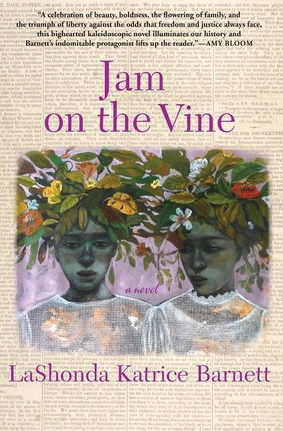
Jam on the Vine by LaShonda Katrice Barnett
Recommended by Melody Nixon (Interviews Editor)
In Jam on the Vine LaShonda Katrice Barnett has created so riveting a novel I read it nonstop during the fifteen hours of plane rides that took me home from AWP this month. Centering on the life of a young Black woman growing up in post-emancipation, Jim Crow-era Texas and Missouri, Jam on the Vine is both astute historical fiction and a universal story of human tenacity and insight in a world of violent discrimination. Barnett skillfully balances a compelling plotline with historical specificity, vivid characterization, and decadent prose, alongside a protagonist, Ivoe, who is immersed in literary solitude—a relatable temptation for any writer.