Huntsville, Alabama
The news came on a Tuesday: U.S. Space Command was moving to Huntsville. The headlines said Redstone Arsenal wins the bid, but that word wins sat strange in my mouth. In the breakroom, someone printed the article and pinned it to the bulletin board above the coffee pot. The photo showed the gates of Redstone shining in the morning sun, a soldier standing guard beside the sign.
Outside my office window, trucks rumbled past loaded with pallets of equipment. The air always smelled faintly of dust and jet fuel. I thought about how this patch of land in northern Alabama, once a cotton field, then a proving ground, then a missile test site, was about to become home to something even bigger.
I drove through the gate that afternoon behind a convoy of contractors’ SUVs. At the checkpoint, the guard squinted at my badge, then waved me through. “Big changes coming,” he said, grinning. His accent carried the soft drawl of north Alabama, stretched vowels and long pauses between words, as if time slowed down here on purpose.
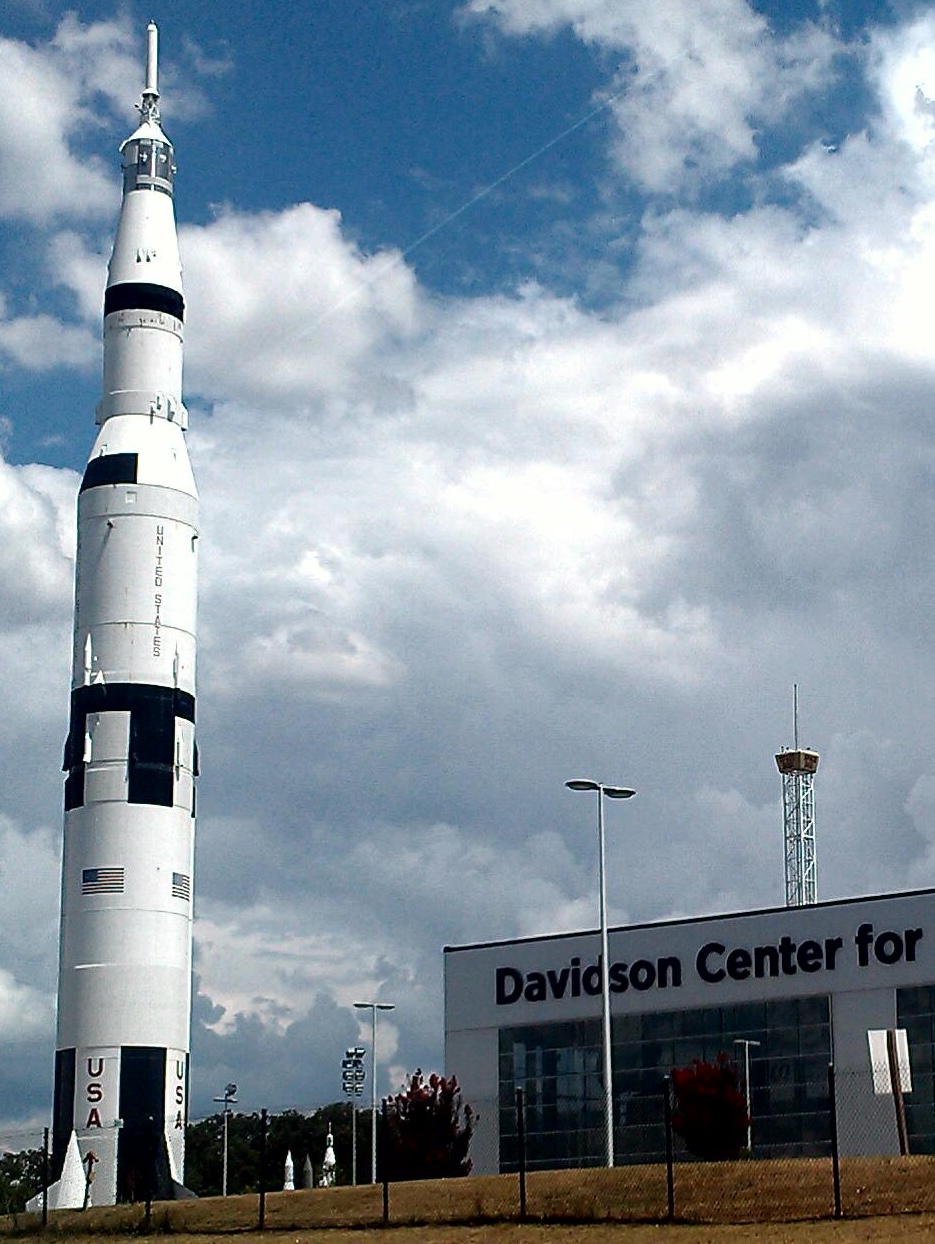
Huntsville calls itself the Rocket City, but the nickname has always felt half earned, a relic of the Saturn V days. My mother lives across the street from the U.S. Space and Rocket Center, where the Saturn V replica rises so high it seems to pierce the clouds. From her kitchen window, she can see it glowing white against the night sky, a monument to both memory and ambition.
Lately, the town feels alive again. Traffic hums past new hotels and coffee shops filled with engineers wearing NASA badges. Rumors drift through the Arsenal: the Vice President’s plane was seen taking off from the airfield last week, black SUVs waiting near the runway. People talk about it in low voices, not out of secrecy but excitement, the feeling that Huntsville is being noticed again.
At lunch, the cafeteria hummed with talk. Some of the engineers joked about the traffic that would come. Others worried about housing prices and schools. Someone mentioned Colorado Springs, how they had fought to keep Space Command there. But everyone smiled anyway. There was a quiet certainty that the future had tilted our way.
Driving home, I passed the skyline of downtown Huntsville. Cranes hovered above new apartment towers. Breweries spilled over with people in polos and security badges still clipped to their belts. A mural on the side of a warehouse showed a rocket arcing across the night sky. Beneath it, someone had spray painted We aim higher.
That night, I sat on the back porch and listened to the hum of cicadas. The Arsenal sat only a few miles away, its perimeter lights glowing faintly on the horizon. My husband poured two glasses of sweet tea and said, “Guess this town’s about to change again.” I thought about my daughters, about the world they would grow up in, still chasing the stars but never quite done with the ground beneath it.
The next morning, I arrived early, the sun not yet above the trees. Beyond the gate stretched acres of red clay and pine, buildings rising like new constellations. Somewhere in those plans and blueprints was a promise: more jobs, more innovation, more reasons for people to come here.
But I also thought about what we might lose. The quiet. The slow mornings when fog rolls off the Tennessee River. The sense that Huntsville still belonged to itself, a small city with a memory of farmland and sawmills, where people nodded to strangers at the Piggly Wiggly. Growth always comes with a trade.
By Friday, the parking lot was full of out of state plates. Someone brought in a cake decorated with frosting stars and red stripes that read Welcome Space Command. Cameras flashed. A general shook hands with civilians in blazers.
I stood in the back and thought about how the sky above us looked the same as it always had, pale blue and endless, but the ground beneath our feet was changing fast. Huntsville has a way of reinventing itself, first cotton, then rockets, now command. Maybe that is what it means to live here, to be part of a place always caught between history and the horizon.
When I left work that evening, traffic crawled along the Arsenal fence line. Beyond it, a construction site gleamed under floodlights. A sign read Future Home of U.S. Space Command Headquarters. The letters looked temporary, fluttering in the wind. Still, I rolled down the window and watched them as I passed, the way you watch a rocket on the launch pad, waiting to see how high it will go.
Bethany Bruno is a Floridian author whose fiction and nonfiction often explore history, place, family, and the strange beauty of Florida. Her work has appeared in The Threepenny Review, The Sun, McSweeney’s Internet Tendency, River Teeth’s Beautiful Things, Brevity, and The Huffington Post. She won the 2026 Saturday Evening Post Great American Fiction Contest and the Key West Art & Historical Society’s Tennessee Williams Short Story Contest. Learn more at bethanybrunowriter.com.