By DIANE MEHTA
You can’t risk too much Jenga in a lift
but when you leave her, put your foot down,
exit to the steady earth we merely balance on—
you risk collapse, your knife-edge youth
retracts while you are full of spirit and mistakes.

By DIANE MEHTA
You can’t risk too much Jenga in a lift
but when you leave her, put your foot down,
exit to the steady earth we merely balance on—
you risk collapse, your knife-edge youth
retracts while you are full of spirit and mistakes.


Phillis Levin (left) and Diane Mehta (right)
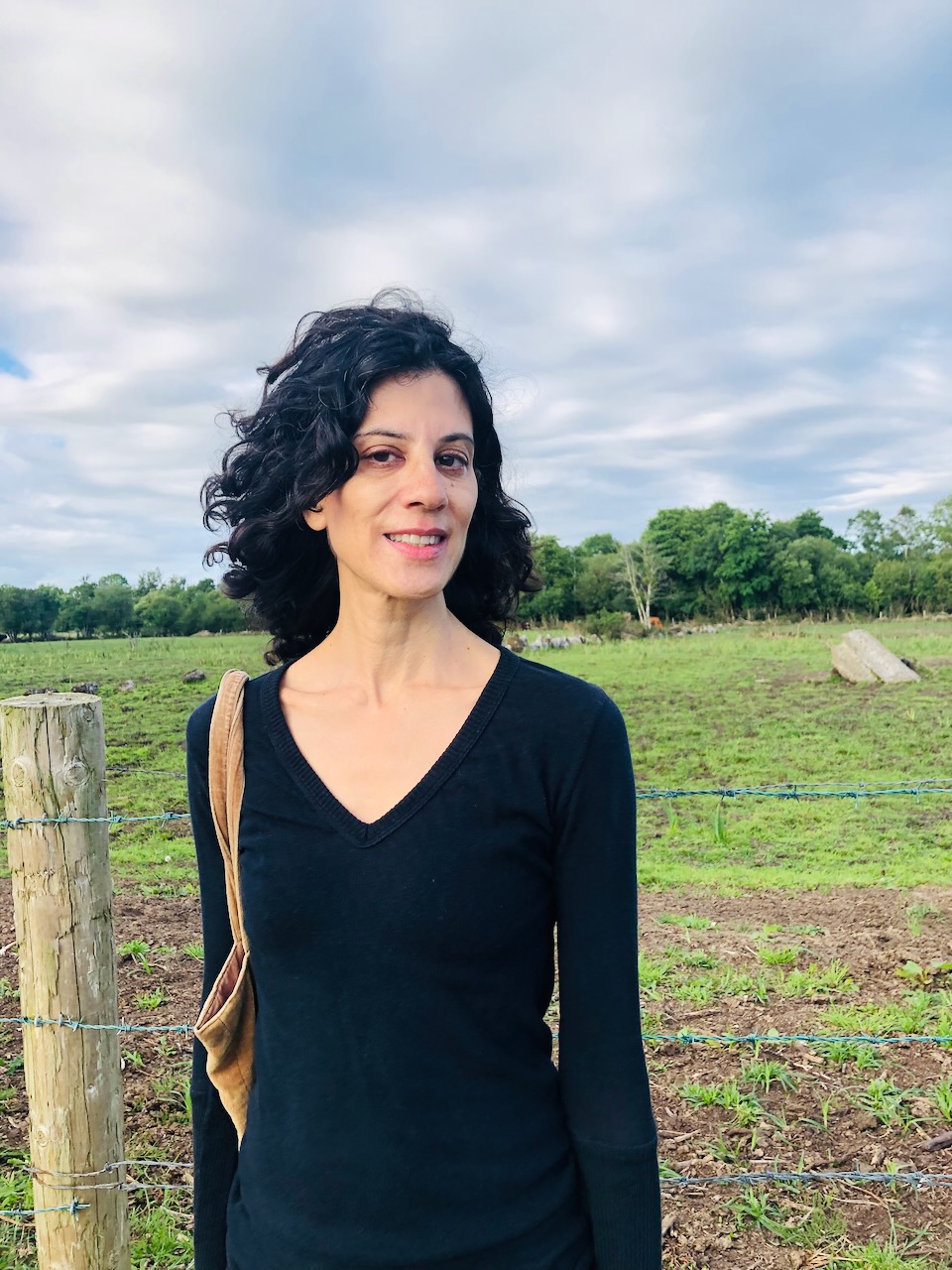
DIANE MEHTA and PHILLIS LEVIN’s conversation took place over the course of weeks—over daily phone calls and long emails, meals when they were in the same place, and a weekend in the Connecticut countryside. Though what appears below can only be fragments of their full exchange, the two poets—both previous contributors to The Common—share what they draw from each other’s work, and the work of others, exploring the pleasures of language, geometric movement, formal constraint, and expressing multiple perspectives in poems.
This interview includes recordings of many of the poems mentioned, read by the author.
By DIANE MEHTA
In the operatic corner in the library,
Italian dialects heckle one another—
whose language is honey
on the tongue and who has disjointed
heads off syllables on the pikes of the invaders—
“Ma ti, vècio parlar, rezìsti.”

By DIANE MEHTA
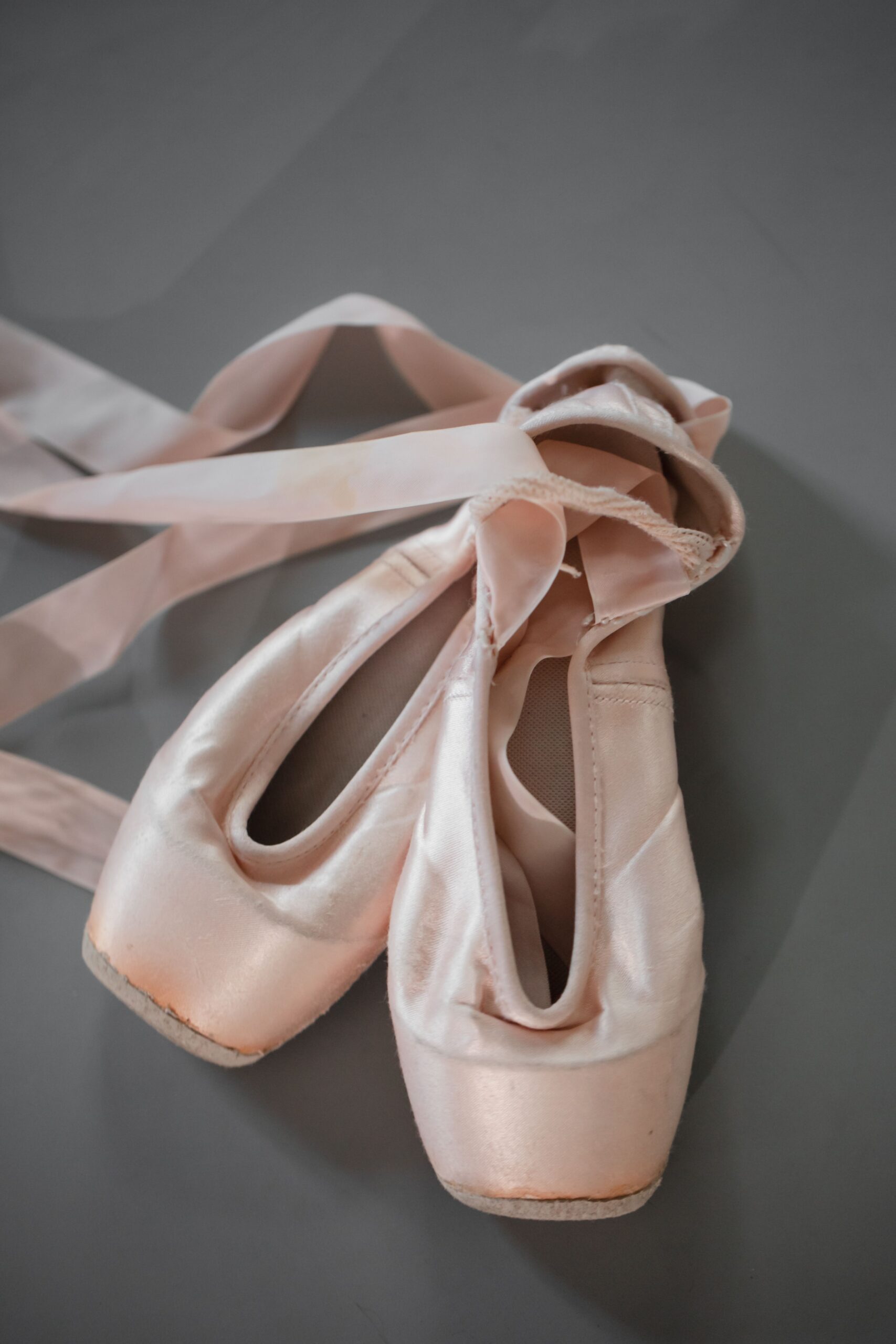
Rain pelted down onto Altamount Road below, the delicate en pointe technique of a thousand ballerinas rumbling across a stage. Earlier, the sun had exploded into full bloom for an hour, after which rain clouds shuffled in again. I was resting on a single bed as mid-afternoon light filtered through the darkening clouds and cast the sky in an impressionistic purple-gray hue. In this unfamiliar guest room with its pomegranate-velvet Victorian sofa, I listened to the soft violence of the monsoon shower through the flung-open windows. The same sound had been a steady backbeat to my childhood years in Bombay. Then, just as quickly as the rain shower had come, it disappeared.

By DIANE MEHTA
A sea-gap opens as surf crumbles
onto shifting sediment that pretends to be a beach
but has the bones of 13,000 years;

Don’t miss an issue! Subscribe to The Common.