
This poem is an ekphrastic response to the above painting, Chickens!, by Marion Clarke.
Near the Mountains of Mourne, County Down, Northern Ireland
***
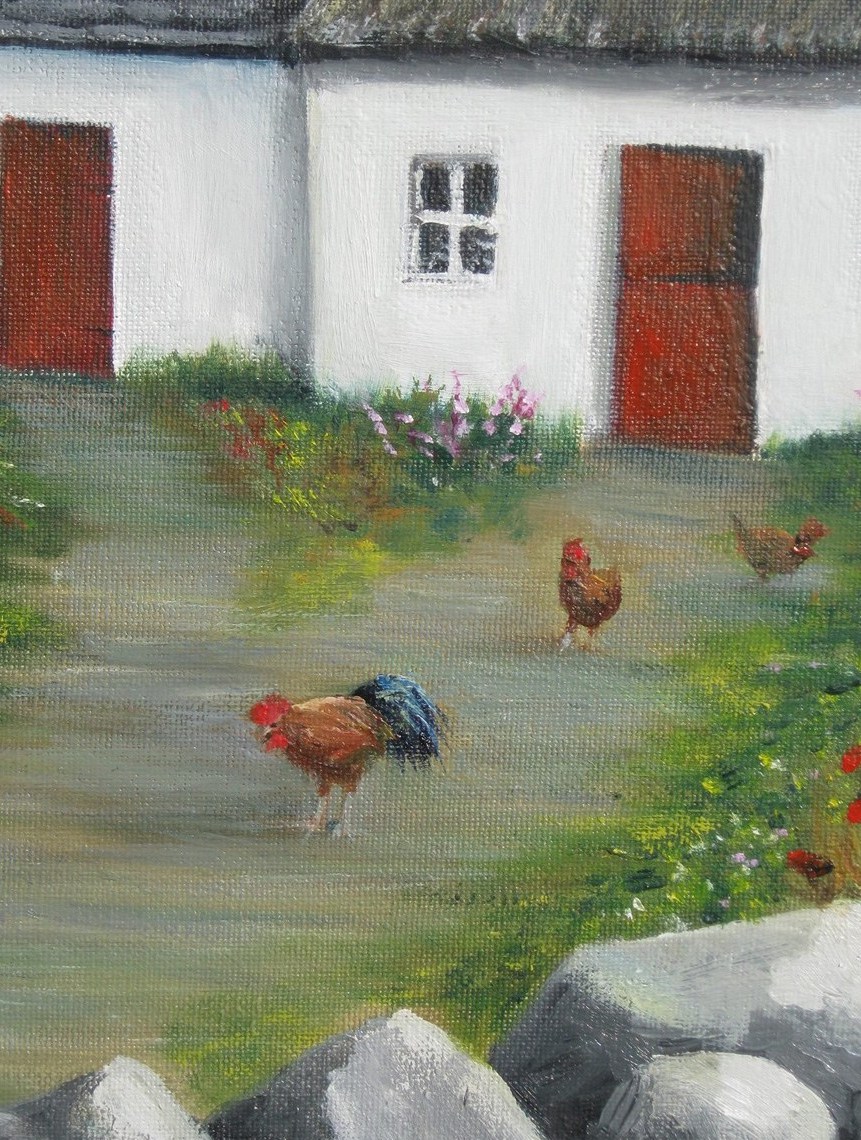
This poem is an ekphrastic response to the above painting, Chickens!, by Marion Clarke.
Near the Mountains of Mourne, County Down, Northern Ireland
***

In the same way that some structures carry time on their shoulders, we too want to observe its traces. Every place, of course, has anchors that halt time as it passes by. In Europe, the huge cathedrals are mute and impotent witnesses of history. Likewise, the old sugar mills of Puerto Rico remain to remind us of an era that, while gone, is still harbored within them. These metal monsters, abandoned to their rusty luck, become sanctuaries of memory. The mill Coloso, one of the last of the dying titans, is now only a grey silhouette lost in the green and twisted landscape of the valley.

“…to feel at home nowhere, but at ease almost everywhere.”
Georges Perec
“You need to be able to receive beauty.”
Katerina Iliopoulou
I
I am on the island of Patmos for Easter. Though I haven’t come for the holiday specifically. It so happens I’m off from work because it’s Easter, arguably the most important event in the Greek holiday calendar; Christ’s birth the less celebrated event as compared to his death as necessary prelude to resurrection. Patmos, the island where St. John the Divine is said to have had his vision of the apocalypse, generally feels mournful this time of year. Not infrequently it will be a sun-splashed day anywhere else in Greece while here clouds gather in their overcast greys. I am not a believer, though I’m hard put to call myself an atheist. Perhaps agnostic, with its Greek root, is closest to describing my feeling — that is, gnōsis (knowledge), and so agnōsto (unknown) would make me a believer in the unknown.
Poems by MARA PASTOR
Translations by MARÍA JOSÉ GIMÉNEZ

Homage to the Navel
Navels end sometimes.
Before that happens,
the body draws a road
from the door
through which you will arrive
to the place of areolae
where you will calm your hunger.
Origin of anthill
of white light that from me
will return to you to teach us
that a navel ends
when another is
about to begin.


Curated by: SARAH WHELAN
Welcome to the TC Alumni spotlight, where we highlight the achievements of our former staff members! This month, we’re checking in with Meghan Maria McCullough, a former Senior Editorial Assistant and Amherst College Class of 2015. Since graduation, Meghan has worked in publishing at organizations such as Penguin Random House and Union Literary, and has most recently been hired as an Editorial Assistant at Arthur A. Levine Books.
Congratulations on your new role at Scholastic! What drew you to join this publisher in particular?
Thank you! I’m just over three months in and I couldn’t be more thrilled to be here. I was drawn to Scholastic, and my imprint, Arthur A. Levine Books, in particular, because I love children’s books–picture books, Middle Grade, Young Adult especially. That’s what Scholastic does, and in my opinion, we do it better than anyone else out there. I am so proud to work for the publisher of, yes, Harry Potter, but also of some of the most remarkable children’s books being released today. Some of my recent favorites of ours that have been just-released or are coming down the pike include: a Middle Grade called The Extremely Inconvenient Adventures of Bronte Mettlestone by Jaclyn Moriarty, a young adult novel coming in February called The Music of What Happens by Bill Konigsberg, and a just-released picture book called Good Morning, Snowplow! by Deborah Bruss, illustrated by Lou Fancher and Steve Johnson. I am of the mind that the books that we read growing up are the most important books we will ever read–they are the books that shape us, they are our closest friends, they are the building blocks that we stack into a worldview. I still can’t quite believe that now I get to have a hand in making them.


Don’t miss The Common’s annual author postcard auction! Bid for a chance to win a postcard from your favorite writer, handwritten for yourself or a person of your choice. Past years’ authors have gone above and beyond in creating their postcards, penning long letters or including drawings of recipients’ dogs.
Postcards will be written and mailed in time for the holidays! Makes a great gift – choose who the postcard goes to, and have it personalized for them.
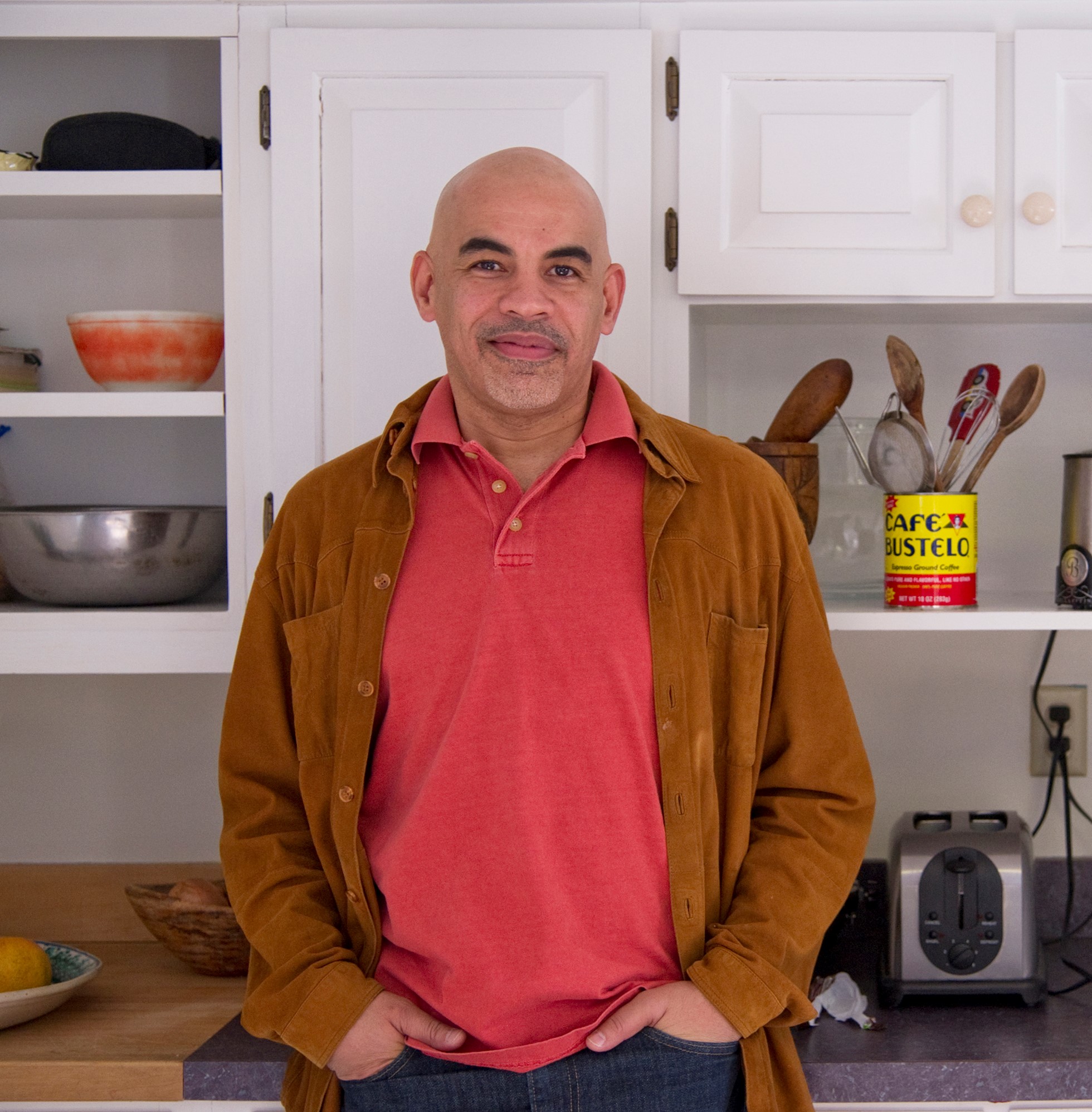
LISA M. MARTINEZ interviews WILLIE PERDOMO

Poet Willie Perdomo at his home in Exeter, NH
Daffys and Paperwhites
Willie Perdomo is a Puerto Rican poet and storyteller. He is the author of The Essential Hits of Shorty Bon Bon (a 2014 National Book Critics Circle Award finalist), Smoking Lovely (winner of the 2004 PEN Open Book Award), and Where a Nickel Costs a Dime (a Poetry Society of America Norma Farber First Book Award Finalist). Perdomo is currently an English instructor at Phillips Exeter Academy. His latest collection, The Crazy Bunch, is forthcoming in 2019, and his poems Breaking Night, They Won’t Find Us in Books, and We Used to Call it Puerto Rican Rain are published in Issue No.16 of The Common.
Via email, Lisa M. Martinez recently spoke to Perdomo about what it’s like to write about his former home, New York City, where much of his inspiration still lies. Perdomo discusses his relationship with that city, communication with ghosts, and the power memory has to transport us to a “gone place.”
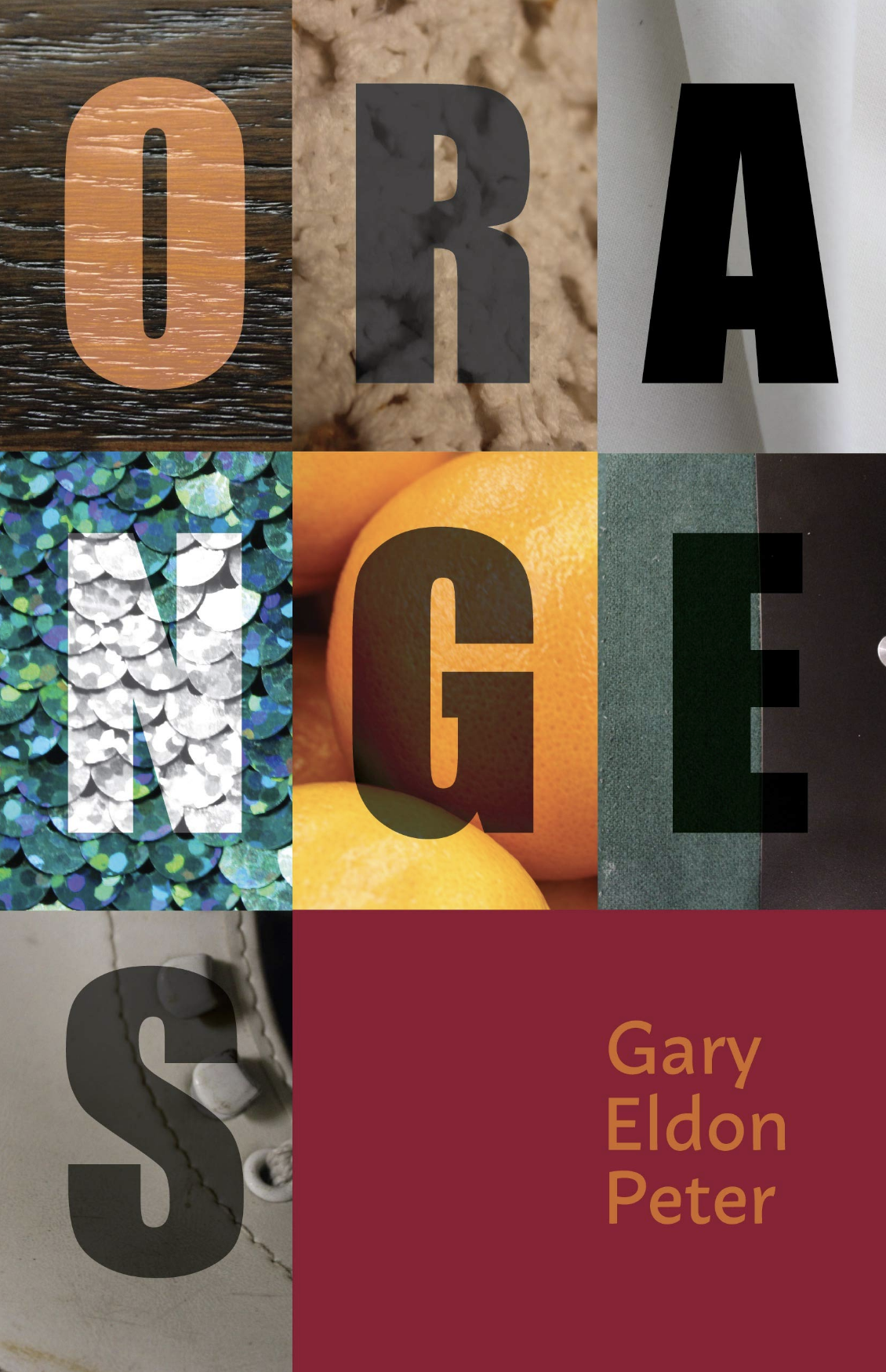
Book by GARY ELDON PETER
Reviewed by JIMMY NEWBORG

When I think of what it was like to grow up as a gay boy, I remember a particular kind of longing, a confusion over what to do with, or what might happen to, my heart. Most of us lived our earliest years without role models who think and love as we do, whether we looked to our own families or to TV and movies. As we came of age, for many of us, that confusion lingered but led to surprising, triumphant love once overcome. Gary Eldon Peter’s debut short story collection, Oranges, deftly portrays the life of its protagonist, Michael Dolin, as he navigates this trajectory from a childhood in Mason City, Iowa to adulthood in Minneapolis.
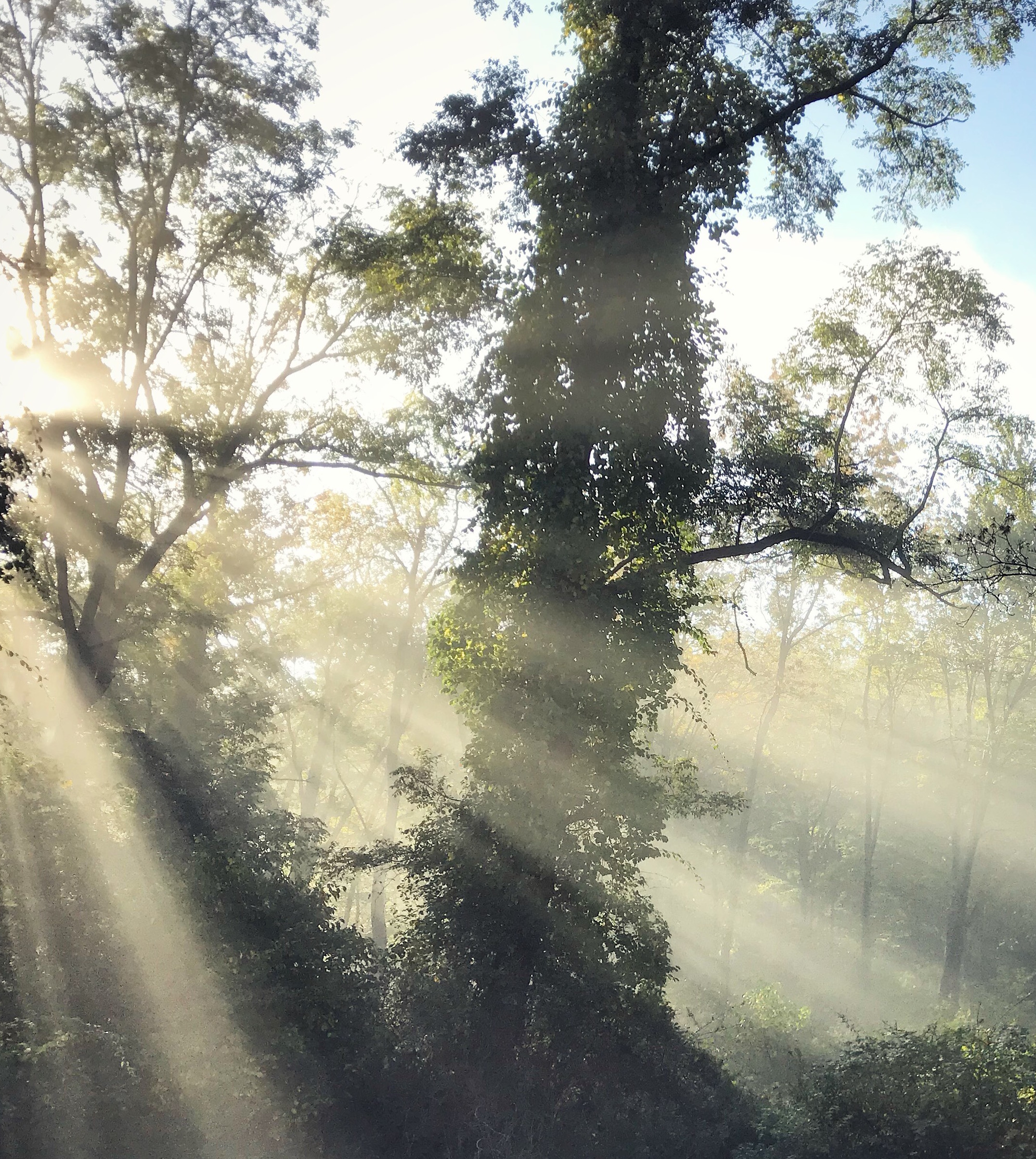

Highland Falls, NY
A black ant walks across the kitchen counter and I try to flick it away. It dodges my finger, but it’s miscalculated how close it is to the edge and falls off the cliff of the counter and into the dog bowl. It struggles to swim. The ant is dying the way I always die in my worst dreams. In nightmares I sink to the bottom of the lake near my childhood home.
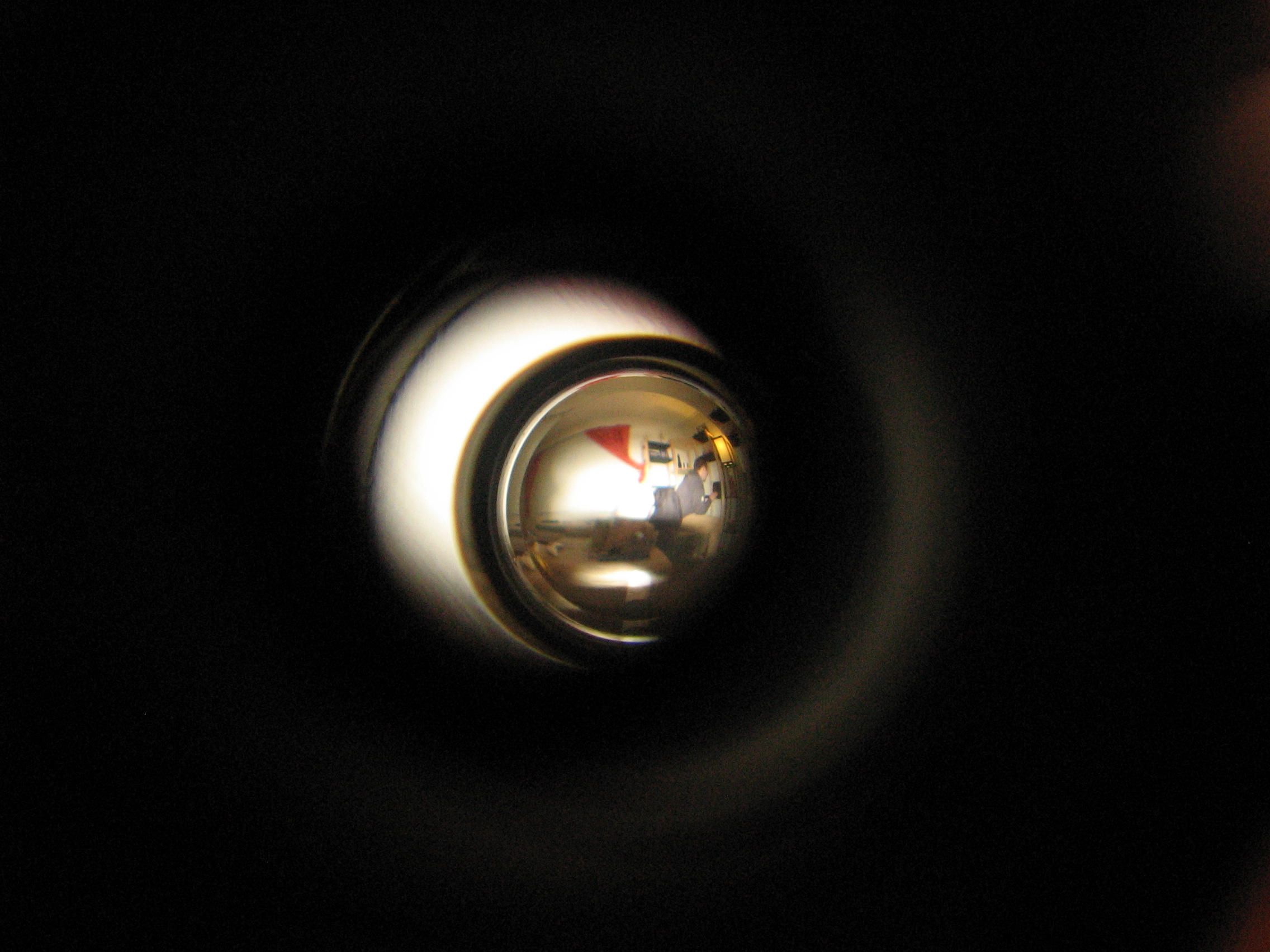
Translated by AURORA LAUZARDO UGARTE
The hole is behind the headboard. We opened it some time ago. I couldn’t say exactly when we became aware of the weariness lurking around us, maybe eight years ago. It lasted for hours, sometimes for days. Then it disappeared. During those anxious periods, we didn’t know what to do. It’s a horrible feeling. You can’t stand being with that person any longer. It’s not boredom in the strict sense of the word. Intolerance, perhaps. Everything annoys you. The way they click their tongue, the unexpected smile, the wrong word said at the wrong time, the obsequious caress. Even the things that you thought were funny before seem unbearable now. It may be the cumulative effect, a friend said. A sort of allergy—you stuff yourself on your favorite food until one day your body says: Enough! You break out in red spots, itching and sweating, which only makes it worse. Just like that. Too much of a good thing, I say. One day we looked at each other and we couldn’t take it anymore—I was fed up with him, and he with me—and we searched for a solution.
Don’t miss an issue! Subscribe to The Common.