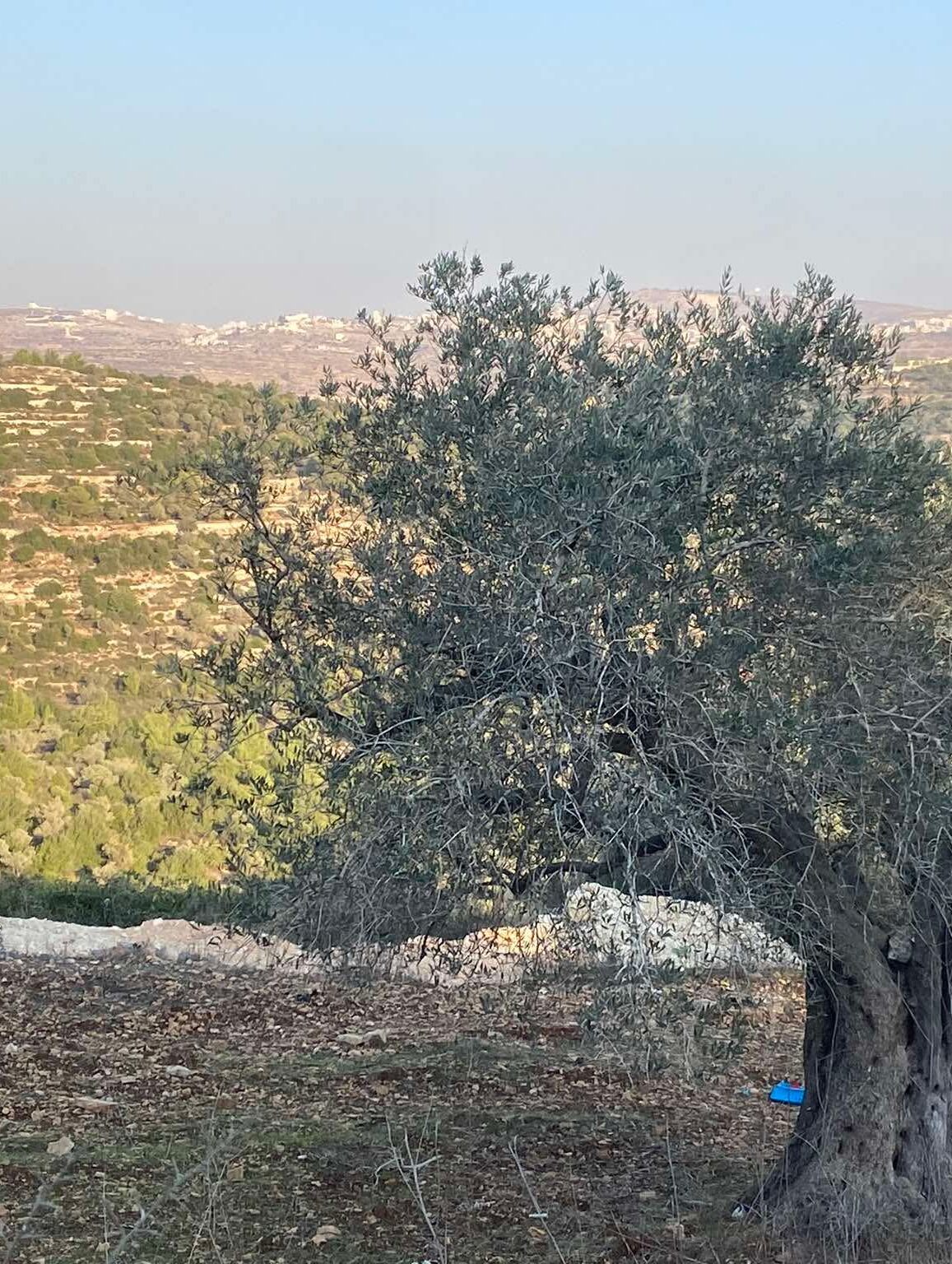
[What They Were Building…]

By CATE MCLAUGHLIN


A fine kettle of fish, an ancient Mesopotamia

unearthed anew. Mystic cities, the press

of fertile crescents,

thighs wide like to lay seed in. Literal rivers.


Blood on the tongue, hands rough with hammers,

structures without the sense


to not stand. A parting of fur, part animal part

iron. Whole constellations of mistakes, a population


of givers and cobblers, prone to sunburn and made

in the image of an absent god.


Flood plains, house fires. Obvious mosques. A single word

for coward and to want.


Galleries and a textbook of anatomy. Set loose in the desert,

a dissection of thirst.


Not a museum of ideas, but a neonatal unit. A sense of unity,

a few songs for the deaf.


Something more from maps. Both catch and release.

Tiny, ritual deaths.


Cate McLaughlin, an MFA student at Syracuse University, has published a chapbook,The Year of Black Coffee.


[Purchase your copy of Issue 05 here]
From the beginning, The Common has brought you transportive writing and exciting new voices. We are committed to supporting writers and maintaining free, unrestricted access to our website, but we can’t do it without you. Become an integral part of our global community of readers and writers by donating today. No amount is too small. Thank you!

[What They Were Building…]

Related Posts

They Could Have

CONSTANTINE CONTOGENIS
I’m just trying, wretch that I am, to put my life together. / Now, had the ruling gods bothered, they could have / made a fourth, who was good. / I’d have followed him, with pleasure. 

March 2026 Poetry Feature: Welcome Back Peter Filkins

PETER FILKINS
pissarro is dead cézanne too / swept away like willowed flotsam / that brute degas gone as well / chafing tides the sea of years // long ago battles fought discarded / ballast tossed from fame’s balloon / rising like heat and the unheard prices / feeding straw to the fires of need // for more garden cuttings variants

Two Poems by Heather Bourbeau

This forest is named for the first head of the National Forest Service, who warned of assuming natural resources were inexhaustible, who said without conservation we pay the price of misery, degradation, and failure, who asked if these resources were for the benefit of us all or for the use and profit of a few? He was also a leading eugenicist.