

Jesuit School Fountain Ravens

By JOHN DAVIS JR.

Some descended from the arms
of our chapel cross, while lower
brothers abandoned statues
to bathe and drink at the heart
of our campus. Here, this flock
is no congress, no murder—
too innocent for such names.

Playful as cardinals, they splash
and sing on the lip of a bowl
overflowing. A great gather
of lustrous, fluffing feathers,
others could mistake them for ducks
or sleeker geese throwing water
in joyful, wing-beating triumph.

No longer ominous, they
foreshadow glee and liberty
of a coming summer when
students less uniform arrange
themselves into carefree circles
of chatter and rough-house, unbound
from studies’ dark gravity.


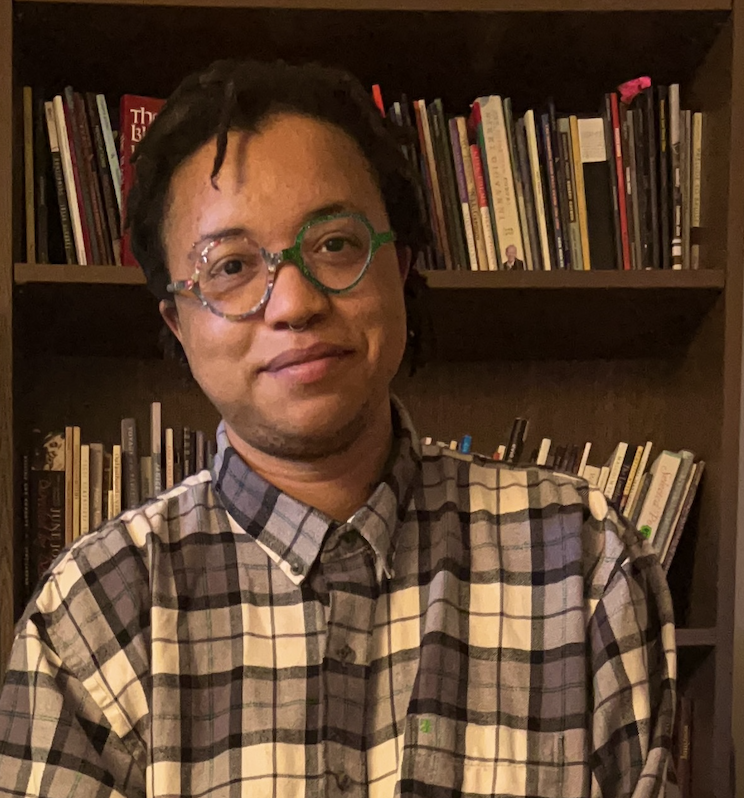
John Davis Jr. is the author of The Places That Hold, Middle Class American Proverb, and three other poetry collections. His work has appeared in Nashville Review, Tampa Review, Salvation South, and elsewhere. He holds an MFA and teaches English in Tampa, Florida.

[Purchase Issue 27 here.] 

From the beginning, The Common has brought you transportive writing and exciting new voices. We are committed to supporting writers and maintaining free, unrestricted access to our website, but we can’t do it without you. Become an integral part of our global community of readers and writers by donating today. No amount is too small. Thank you!

Jesuit School Fountain Ravens

Related Posts

Caribbean picture

Self-Portrait in The Caribbean

PAOLA ASSAD BARBARINO
Sometimes I am emboldened, / I decide to stand in the people’s balcony / I decide it is Maundy Thursday I decide to place a priest behind me that can speak to the people behind / my back / I decide to put out the fire and light my throat / scream

Feltspade

ELIAS SADAQ
I serve out my conscription / sleep in a bunk bed / for four cold months / in the engineer regiment at Skive Garrison / in a room with three other men / I fuck the colonel / the only sign that time is passing / is a pile of snow outside the window / that grows smaller

Book cover of Fifty Mothers

Mother is a Kind of Holding: Jenny Qi interviews Preeti Vangani

PREETI VANGANI
With vignettes, I could plumb its narrative arc to become a force propelling the book forward. It also felt haunting yet warm that the mothers kept reappearing throughout the life of this grief. That repetition created a chorus of voices that angers and despairs, yet cradles the speaker.