Deaccessioning

By RACHEL HADAS

The old woman with the art 
paces through her silent rooms,
sunlight reflecting off the frames.
Adult children live downstairs 
in the basement. Whose is the art? 
Is it the world’s or hers or theirs? 

Sunlight moves across the wall. 
Rosenquist, Rauschenberg, Marisol 
prints, flat and deadpan, do not say
how to live from day to day. 
Four Wolf Kahn landscapes give back light 
and air, hay-scented. What is art? 

What fills the frame, then empties out, 
is kept by giving it away. 
Take the paintings off the wall. 
Open the door and let them all 
find homes in some imagined place. 
Motion and change. No sacrifice. 


[Purchase Issue 31 here.]


Rachel Hadas‘s many books of poetry, essays, and translations include, most recently, a collection of short prose pieces, Pastorals. Professor emerita of English at Rutgers University–Newark and the recipient of many honors and awards, she divides her time between New York City and Vermont.

From the beginning, The Common has brought you transportive writing and exciting new voices. We are committed to supporting writers and maintaining free, unrestricted access to our website, but we can’t do it without you. Become an integral part of our global community of readers and writers by donating today. No amount is too small. Thank you!

Deaccessioning

Related Posts

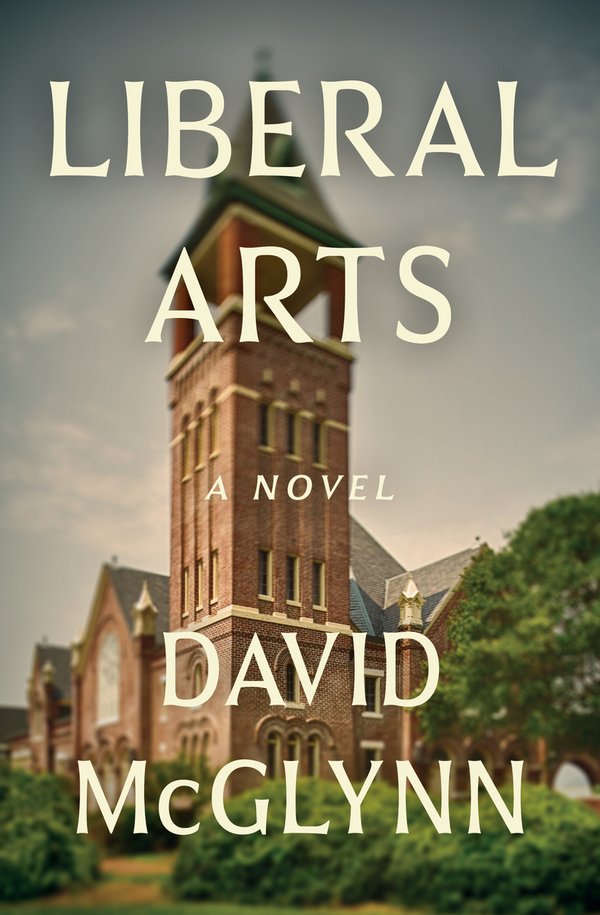
Book cover for Liberal Arts by David McGlynn

Review: Liberal Arts by David McGlynn

NICOLE SCHRAG
Liberal Arts isn’t a satire. Instead, the humor originates in situational ironies that arise from the bizarre juxtapositions that might be made possible in and around universities, where people who otherwise have no earthly reason to find themselves in the same room are brought together.

Book cover of What Remains by Brais Lamela

Review: What Remains by Brais Lamela

ZARA KARSCHAY
Translated into English from the original Galician by Jacob Rogers, Lamela’s novel foregrounds the Franco regime’s work in disappearing villages, displacing its inhabitants, and forcing hundreds of political prisoners to work on its new reservoirs and dams.

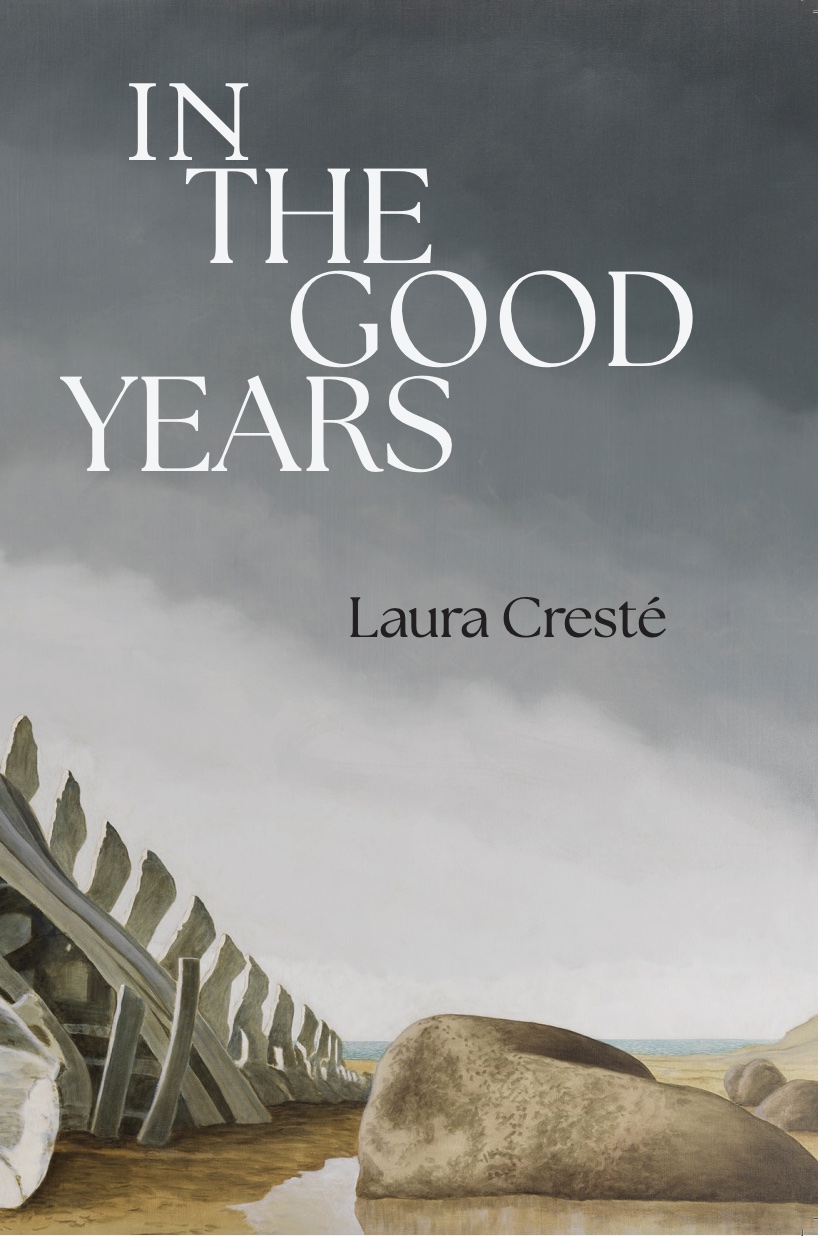
Book cover of In the Good Years by Laura Creste

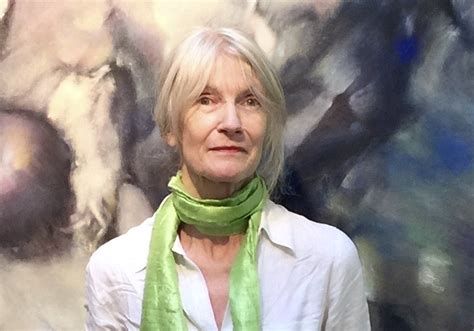
Gentle or Not: Victoria Kornick Interviews Laura Cresté

LAURA CRESTE
In a winter’s worth of walks along Herring Cove, I found the wreckage of a small boat, a loveseat, and, more than once, storm-battered lobster traps. And then there’s the more pernicious litter: Mylar balloons, tampon applicators, and bottle caps—so many bottle caps—at the wrack line, tangled up with the seaweed and mermaid’s purses