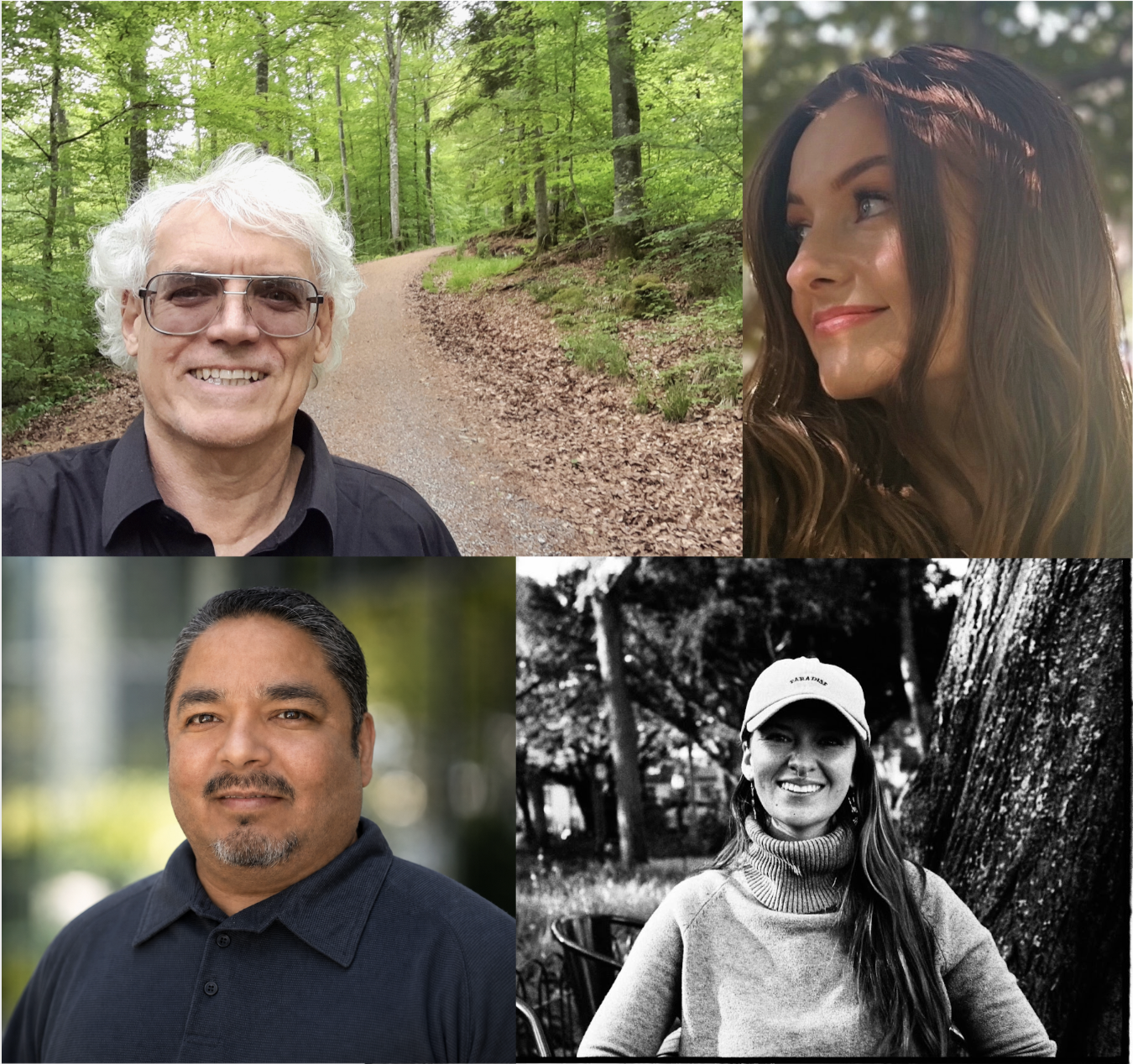
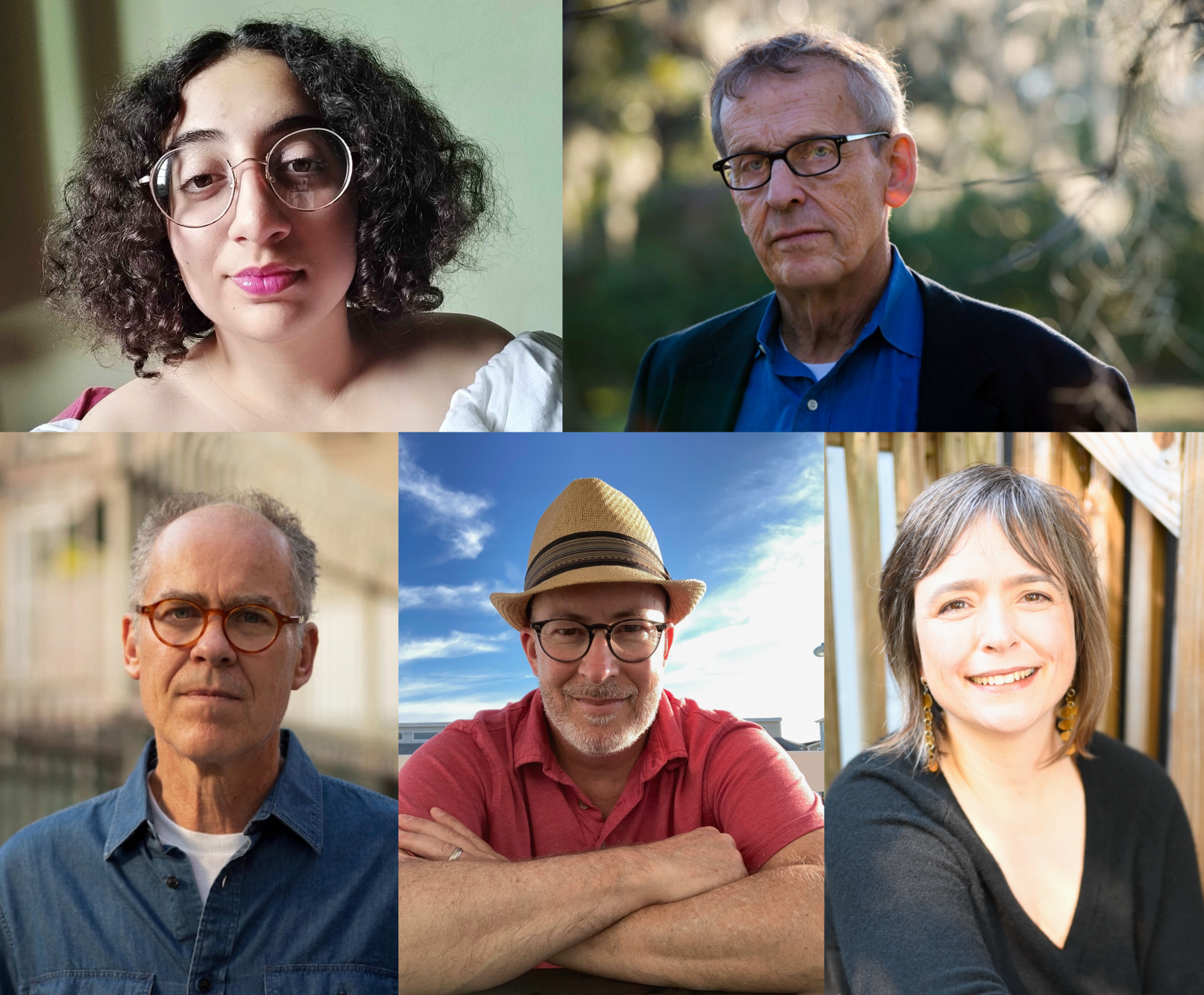
This month, we’re pleased to bring you poems by contributors NATALIE BAVAR, PETER COOLEY, GARY J. WHITEHEAD, ANNA LENA PHILLIPS BELL, and JEFFREY HARRISON.
Poetry
Feltspade
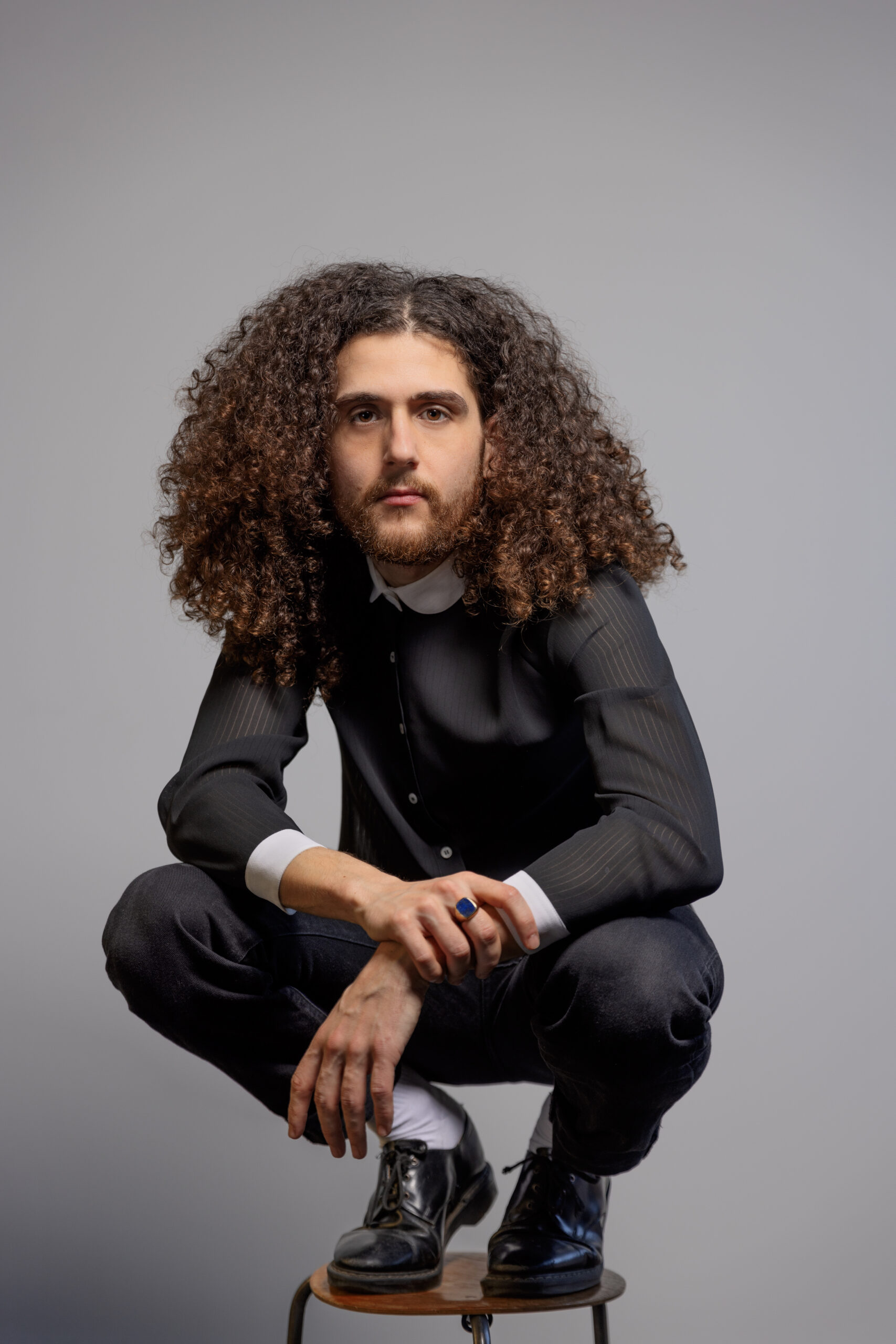
Poem by ELIAS SADAQ, translated from the Danish by DENVER DAVID ROBINSON.
The piece appears in both English and Danish below.
Translator’s Note
I bought a copy of Elias Sadaq’s debut poetry collection DJINN on a windy December morning in Copenhagen in 2024. Although I’m not Danish, Moroccan, or Muslim, I’ve spent over half my life going between the United States and a small seaside village in Denmark not so far―in kilometers―from where Sadaq grew up. I was curious to know what it’s like to be of Danish and Moroccan descent, queer and Muslim, and come from one of (highly homogenous) Denmark’s most ethnically diverse districts, a place I had visited occasionally with my father. Sadaq’s work enchanted me immediately. There was much I recognized, and more I did not, including incantations to punish and protect. As I read, I scribbled a rudimentary translation in pencil next to his lines. Eventually, I reached out to Sadaq, who gave me permission to translate and seek American publishers for his work. Now, after several months of collaboration and getting to know one another, I have finished my translation of DJINN. I’ve learned so much in my work with Elias, who is one of Denmark’s most versatile and exciting new artists. For one, my understanding of modern street Danish has improved. More importantly, his generosity and playful curiosity have inspired me in this time of increasing discord. His work opens doors, welcoming all who care or clamor to enter―strangers, DILFs, saints, and demons―while narrowing the gap between the sacred and profane.
A felt spade is a military entrenching tool, a survival shovel, but also carries a derogatory connotation employed to infer one is an idiot. I considered translating the title with an English colloquial equivalent, such as blunt instrument, dull blade, or simply tool. In the end, I chose to keep the literal translation to allow readers to sit with the original title’s ambiguity.
― Denver David Robinson
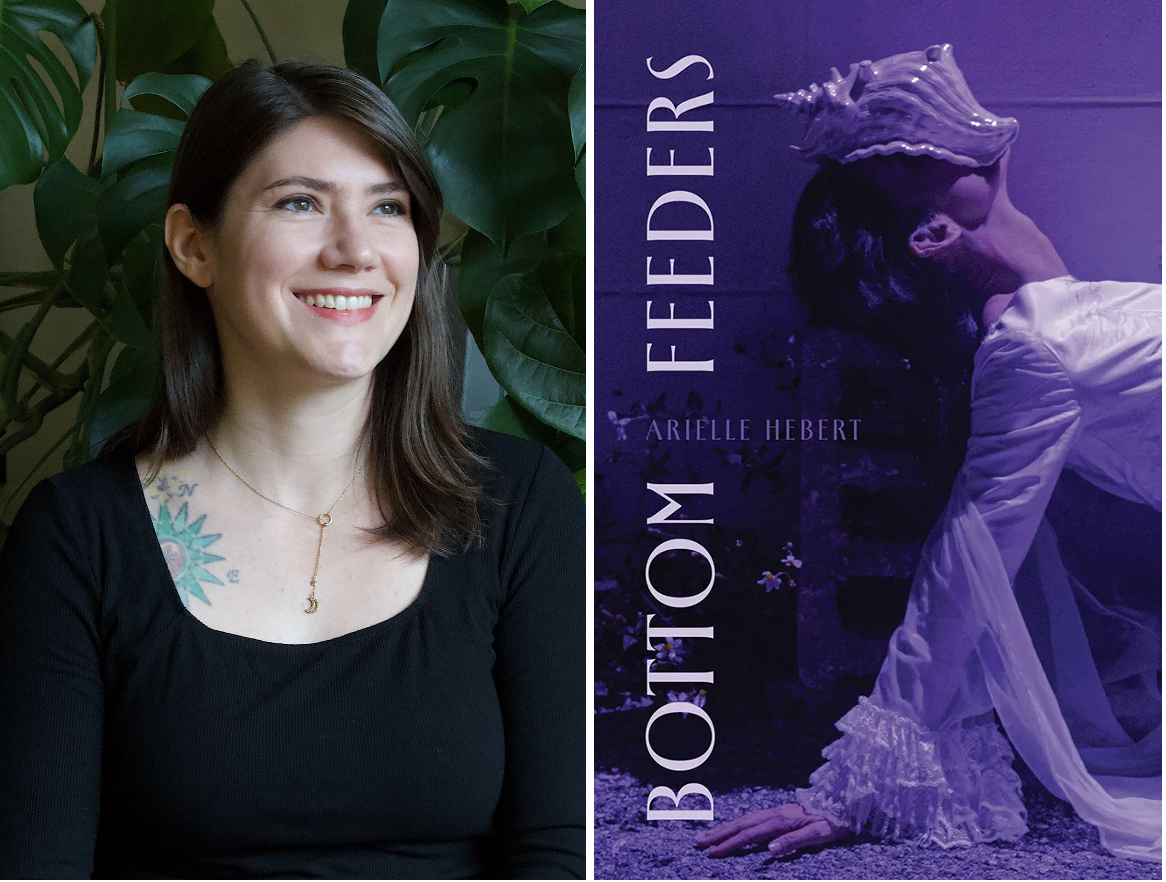
May 2026 Poetry Feature: Arielle Hebert, from Bottom Feeders
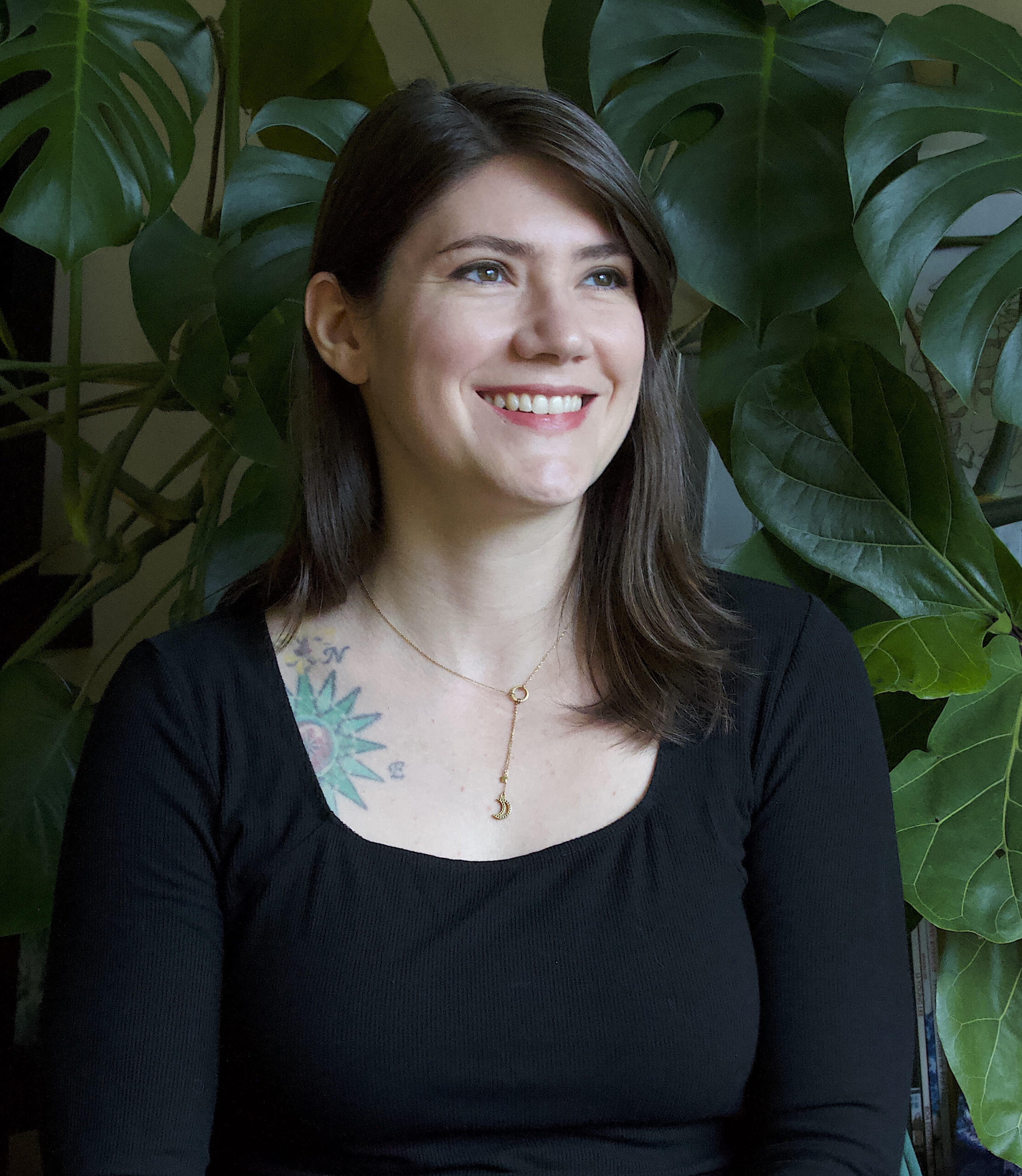
This month we bring you three poems selected from Bottom Feeders by ARIELLE HEBERT, forthcoming from Black Lawrence Press.
TOC:
—“Elegy for Florida”
—“Red Tide”
—“The Dead Layer”

Elegy for Florida
Almost everything they said about her was true.
Even the bad things.
Especially the bad things.
She began reaching for the water
and never stopped reaching
until she became
an extension of water itself,
her delicate arm just begging
to be snapped off from the panhandle.
The Grave Fox
By DANIEL TOBIN
Like a dog truant among the tended plots
it turns back toward us a considerate eye
as though sensing the disquiet of our being
lost here among all the unfamiliar graves
that would be landmarks proving the right way
if this were the way we’d believed it to be.
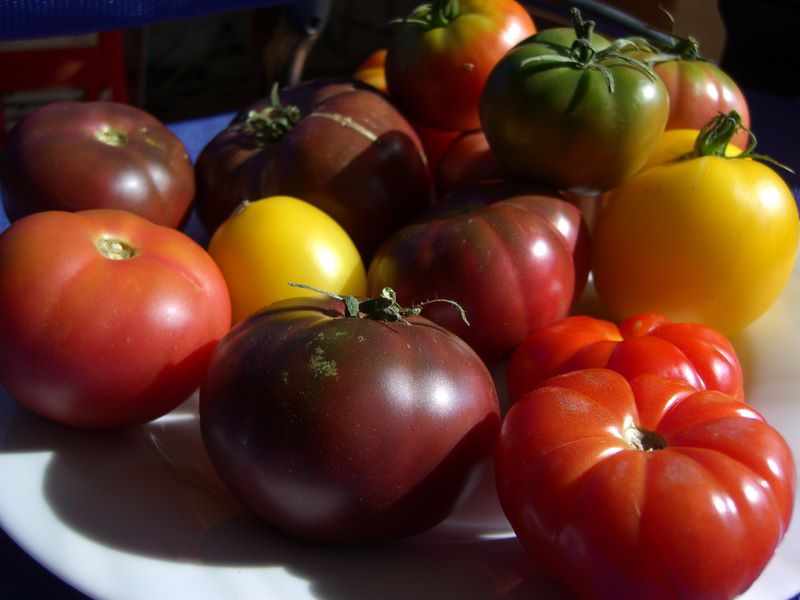
Supermarketing
The miracle of the chain:
here, you could be anywhere
and still find the same winter tomatoes
(Greece, California, Spain),
Jesus’ Body Found Outside Ice Cream Parlor in Black Suburb
His left wrist dangled out the half-wound-down glass of a boxy brown Cadillac with red felt seats. Flies drifted in and out. He had a dip top cone in his hand. The place was famous for them. You’d think it would be melting in the heat, but the molten chocolate shell held the ice cream within firm and cold. The air reeked of gasoline. No one had thought to turn the engine off.
Nocturne for Dark Things
I do my finest listening in the dark.
My best friend has always been ink
and she lets me talk so much at night.
One of the marvels of my life—
an alphabet. A whole green and mossy
world can be made and remade
from just twenty-six dark curlicues.
Here’s more dark: sometimes birds sleep
tucked under a giraffe’s dusky armpit
[Freedom Song]
what does it mean, to be free? i sip coke at my phuppos, azaadi
on the walls of the university, free kashmir sprawled, azaadi
on my body. when i walk the streets of lahore men stare.
can i write the poem that makes me free, that brings azaadi
to my lips? i say i want to drink from its waters, but i know
what it means to be human & dumb, to pray & when azaadi
comes to shun, to judge & say not like this. control, a bitch
deeply un-free, that sticks me in my own mind, azaadi
My Wife Dreams of My Father
Dream 1: In which he annoys her
It was New Year’s Eve when he showed up,
in the sleety weather, in his old flannels,
to knock on our door again. You’re back!
my wife cried. I missed you! He laughed,
and as they hugged he lifted her gently
into the air—that’s when she remembered
he was dead. She stopped crying, annoyed
at his ruse, annoyed that this was the day,
of all days, when the ruses of our dead
would be exposed. Still, for a full minute—
after waking but before opening her eyes—
she let him keep holding her in the air.
Both Sides of Winter
Our hour at the clinic, test
results and what the doctor guessed.
Then the bright intensity
out on Industrial Boulevard,
the late October sun so hard
and air so crisp that everything
felt close and brash and nearly stung.