Poetry

The Aladdin Hotel, Woodbourne, NY

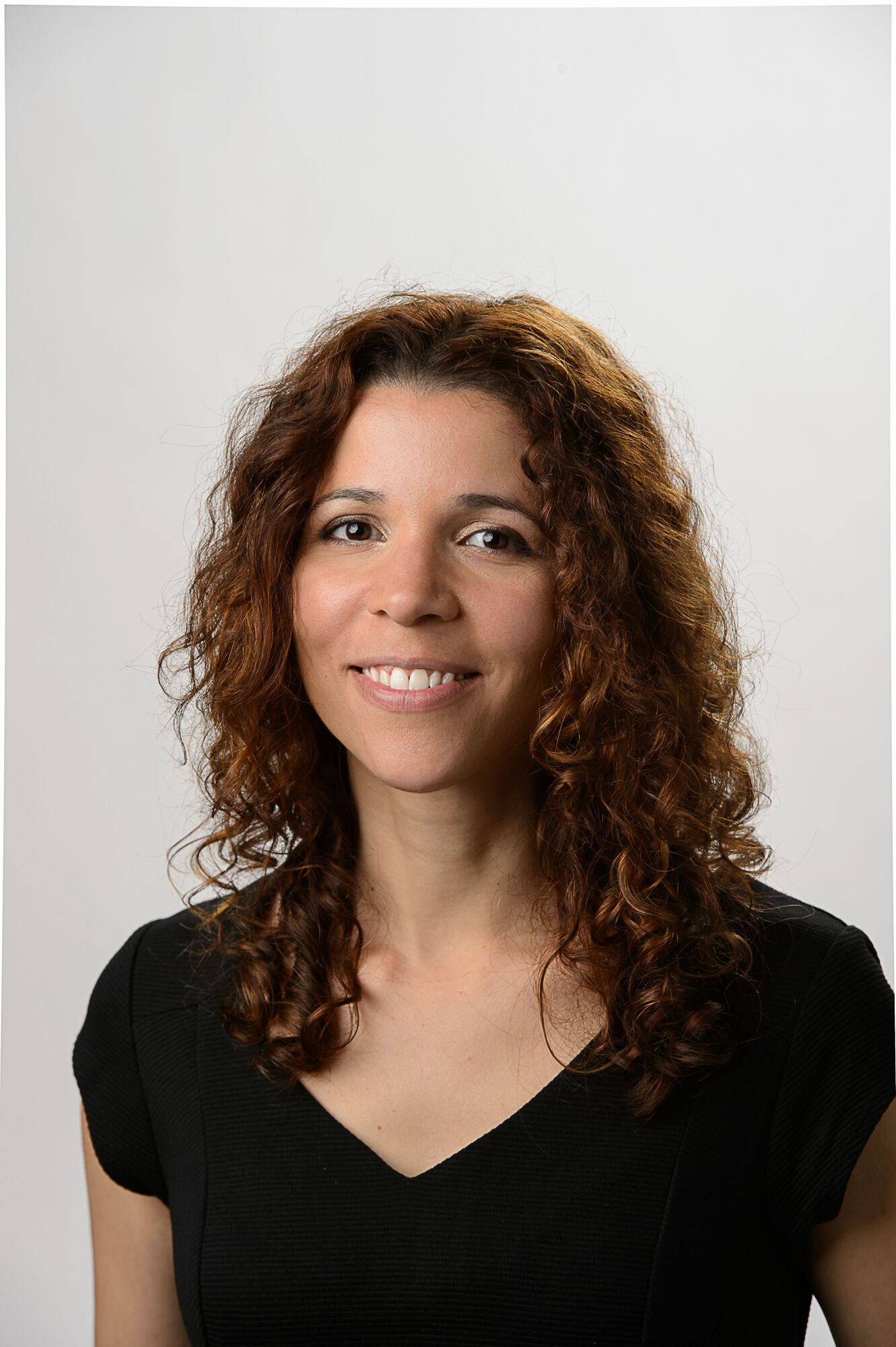
By ERICA EHRENBERG

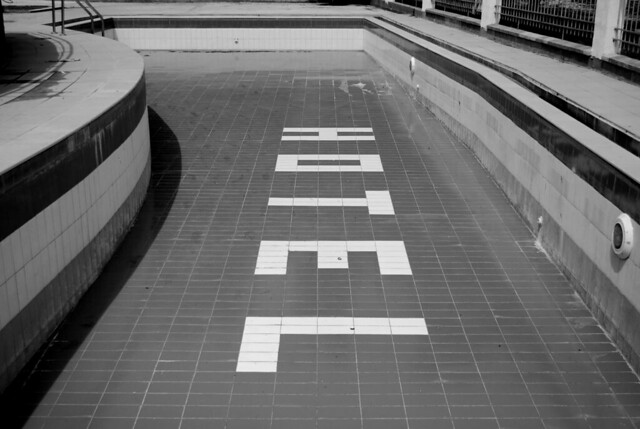
The swimming pool is empty—another one is full but cracked and there are leaves floating in it. I’m sitting with my grandfather. He’s blind and our point of contact is a limit bolts of recognition pass through.

He saw me once in a pool under the water so he sees this in his mind often when he’s near me. He tells me about swimming across a river. Where is this river? I see branches with blue-black berries on them sinking into the water, each berry so loaded with his memory and my imagination they burst with their own reality.

The Aladdin Hotel, Woodbourne, NY
Read more...

Catherine the Great

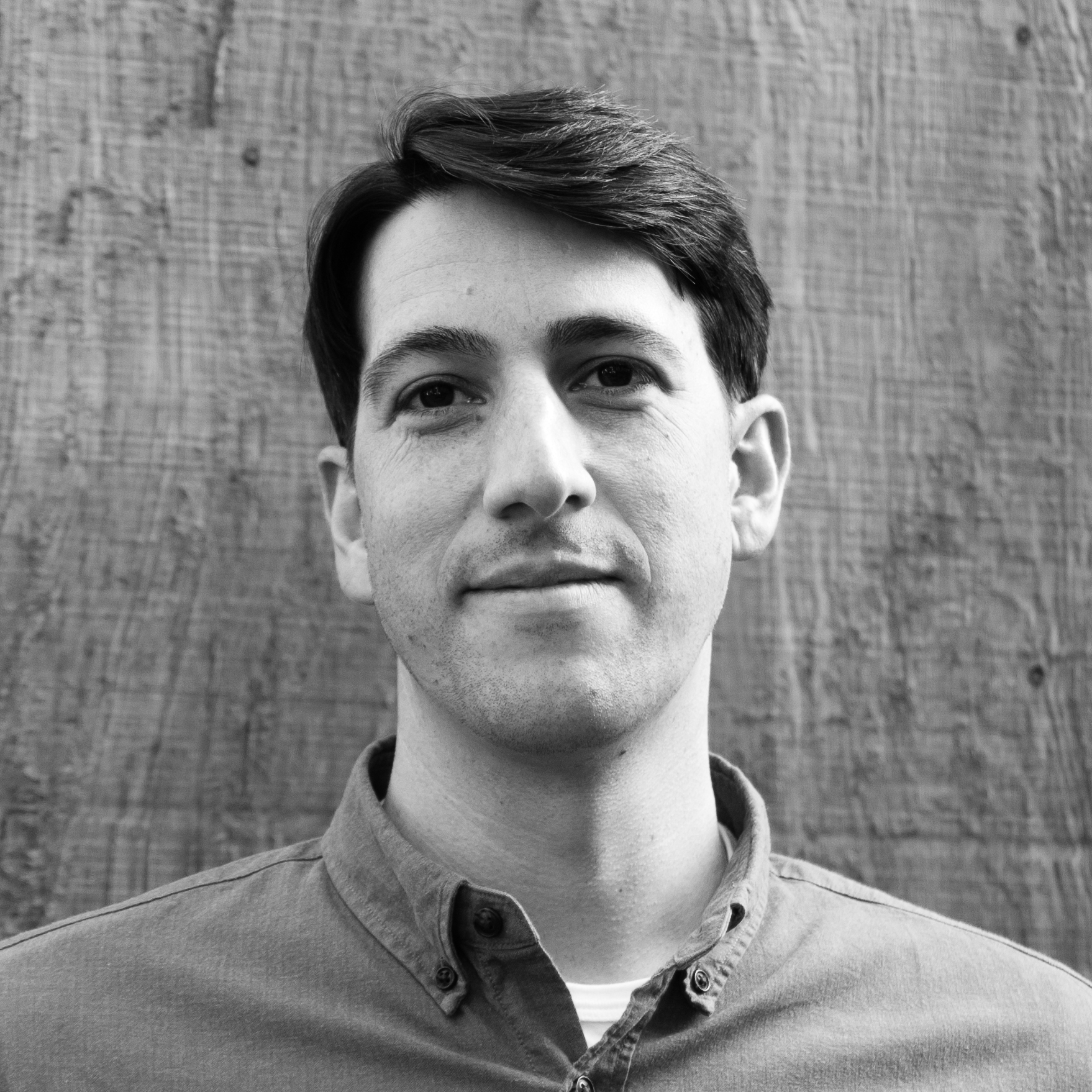
By BENJAMIN S. GROSSBERG


We’re all undone by appetite; but which,
at least at first, is up to us. He pressed
himself against me in a parking lot.
We’d just finished our coffee and small talk.
A Sunday afternoon: cars pulling out
around us, and him salacious in my ear—
Catherine the Great. I didn’t move. He ground
himself on me, cars swerving around the one
body we’d become. I couldn’t move.

Catherine the Great
Read more...

Poetry and Democracy: Part Four

In conjunction with The Poetry Coalition’s March 2019 joint programming exploring the theme “What Is It, Then, Between Us?: Poetry & Democracy,” The Common presents four weekly features this month, each addressing and extending this national—and international—conversation.

In this, our fourth installment, we offer Ron Welburn’s “Seeing in the Dark” and “Alternate Charles Ramsey” by Reginald Dwayne Betts.

Poetry and Democracy: Part Four
Read more...

Poetry and Democracy: Part Three

In conjunction with The Poetry Coalition’s March 2019 joint programming exploring the theme “What Is It, Then, Between Us?: Poetry & Democracy,” The Common presents four weekly features this month, each addressing and extending this national—and international—conversation.

In this, our third installment, we offer Peggy Robles-Alvarado’s “To the Women Who Feel It in Their Bones” and an excerpt from When Rap Spoke Straight to God by Erica Dawson.

Poetry and Democracy: Part Three
Read more...

Poetry and Democracy: Part Two

In conjunction with The Poetry Coalition’s March 2019 joint programming exploring the theme What Is It, Then, Between Us?: Poetry & Democracy,” The Common presents four weekly features this month, each addressing and extending this national—and international—conversation.

In this, our second installment, we offer Megan Fernandes’s “White People Always Want to Tell Me They Grew Up Poor” and William Brewer’s “Daedelus in Oxyana.”

Poetry and Democracy: Part Two
Read more...

Three Torabully Translations

Poetry by KHAL TORABULLY

Translated by NANCY NAOMI CARLSON


Note from the translator:

I first came across Khal Torabully’s work in Patrick Williamson’s The Parley Tree, a bilingual anthology of poets from North Africa, sub-Saharan Africa and the Arab world. I was immediately drawn to Torabully’s lush language and sea imagery, and developed an even greater appreciation of his work when I learned more about the context of these poems—giving voice to the millions of men and women who endured horrific conditions as indentured workers during the years between 1834 and the end of World War I. Sometimes tricked into indenture, these workers, mostly from India and China, were separated from their families and homelands, and were transported to Mauritius in the same ships that had formerly carried slaves. Many were forced to stay and work in Mauritian sugar cane fields, while others were sent to other regions under colonial rule, and subjected to cruel conditions in the cargo hold of ships during transoceanic voyages. Similar to the way Aimé Césaire coined the term “negritude,” Torabully coined the term “coolitude,” imbuing the pejorative word “coolie” with dignity, pride, and a humanity that transcends all geographical, biological, and ethnic divisions.

Three Torabully Translations
Read more...