In Place of River I’ll Use [God]

By EZZA AHMED

Ten days behind my tongue
summer in the diasporic, 
riding thick in the smell of [God]
and fresh cloves.

By [God] I mean the monsoon season
where water appeared in snake-like streams 
erasing all traces of my
present tense.

I guess I didn’t mind,
because the ground would wet into a fresh mirror
which really meant that I was
[God ?]

And I know, when [God]
calls out to you,
you only look back once. 


[Purchase Issue 31 here.] 


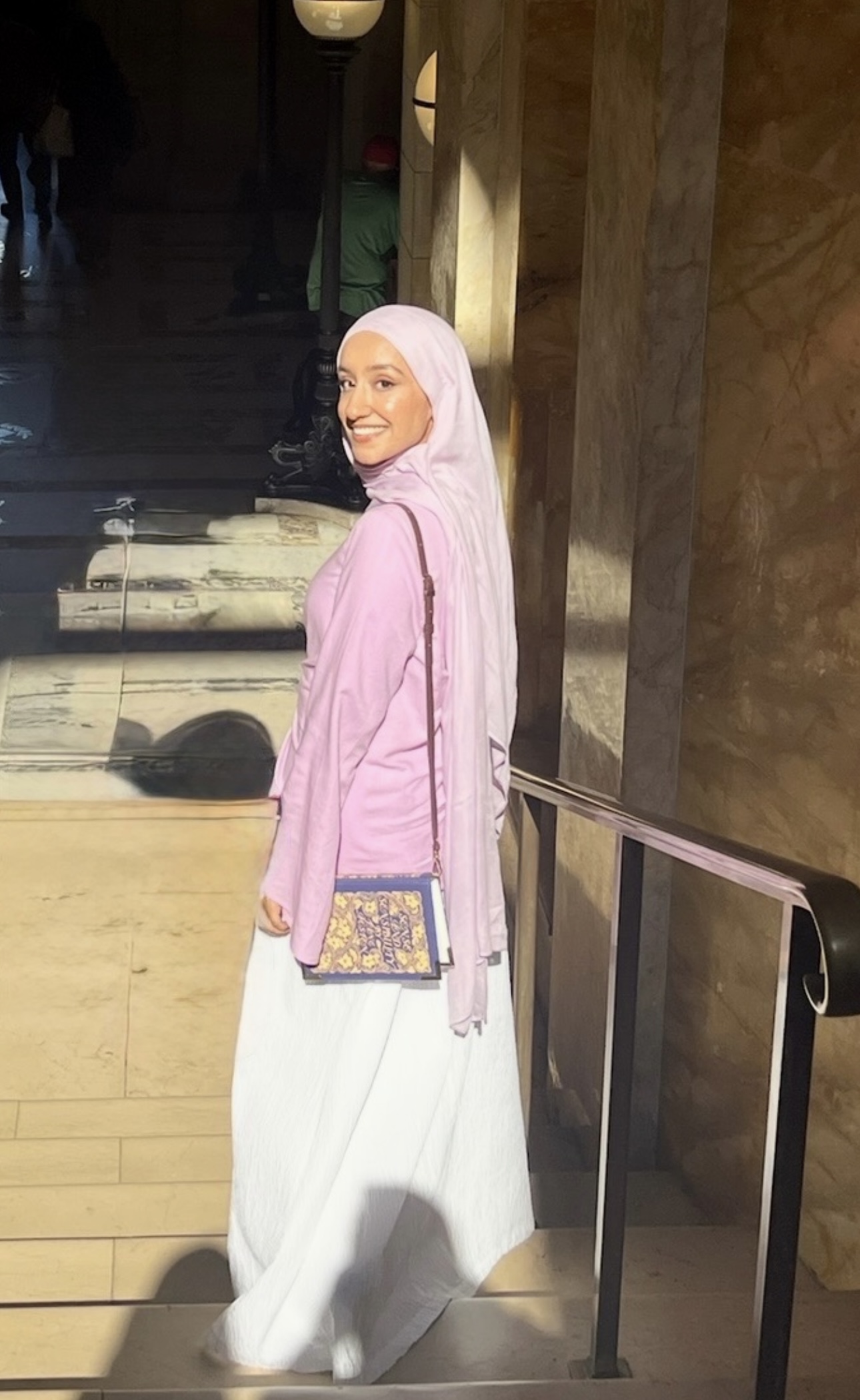
Ezza Ahmed is an educator and poet based in New York City. Her poetry is concerned with diaspora, memory, and water (rivers, creeks, lakes, etc.). Her work is in The Idaho Review, Ginger Bug Press, Sycamore Review, Apogee Journal, The Michigan Review, and Adi Magazine. 
From the beginning, The Common has brought you transportive writing and exciting new voices. We are committed to supporting writers and maintaining free, unrestricted access to our website, but we can’t do it without you. Become an integral part of our global community of readers and writers by donating today. No amount is too small. Thank you!

In Place of River I’ll Use [God]

Related Posts

Two Poems by Dalia Taha, translated by Sara Elkamel

DALIA TAHA
All we own are our lips / and the pupils of our eyes—the car / will plow into all of this. / And still, life is far too complex / for words like victory or defeat. // Life is Salma on the balcony / moving plants to bigger pots, in her eyes / the settlement’s lights. 

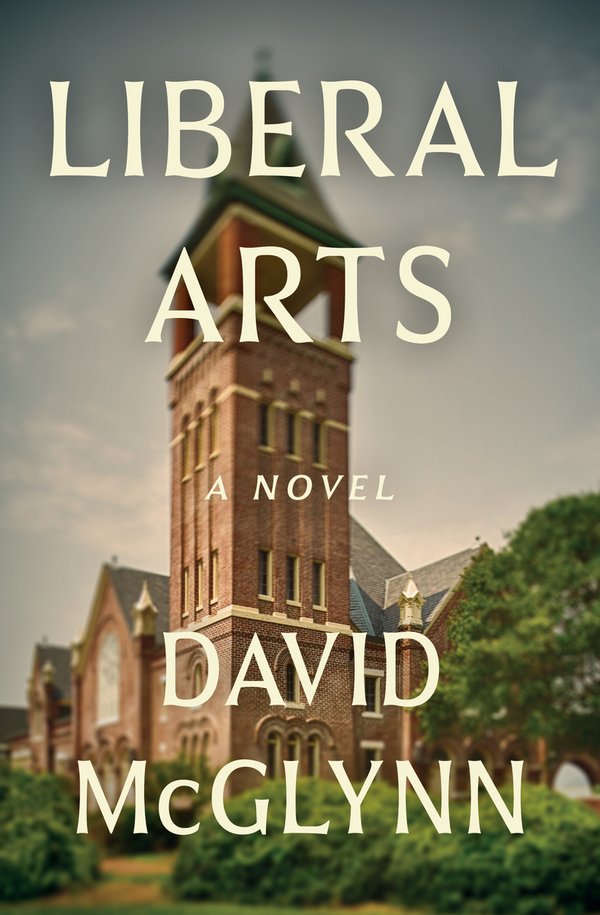
Book cover for Liberal Arts by David McGlynn

Review: Liberal Arts by David McGlynn

NICOLE SCHRAG
Liberal Arts isn’t a satire. Instead, the humor originates in situational ironies that arise from the bizarre juxtapositions that might be made possible in and around universities, where people who otherwise have no earthly reason to find themselves in the same room are brought together.

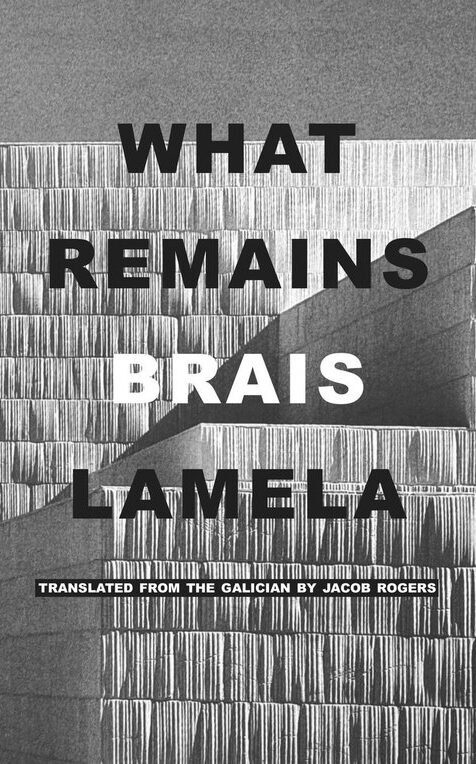
Book cover of What Remains by Brais Lamela

Review: What Remains by Brais Lamela

ZARA KARSCHAY
Translated into English from the original Galician by Jacob Rogers, Lamela’s novel foregrounds the Franco regime’s work in disappearing villages, displacing its inhabitants, and forcing hundreds of political prisoners to work on its new reservoirs and dams.