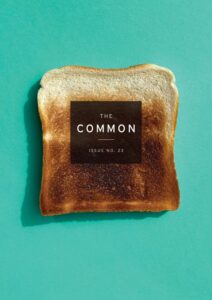
Nocturne for Dark Things

I do my finest listening in the dark.
My best friend has always been ink
and she lets me talk so much at night.

One of the marvels of my life—
an alphabet. A whole green and mossy
world can be made and remade

from just twenty-six dark curlicues.
Here’s more dark: sometimes birds sleep
tucked under a giraffe’s dusky armpit

and sometimes fungi fatten only at night.
When I was a kid, I used to worry over
so many bugs and moths slamming

into our windshield. My sons have never
known that concern, which is another kind
of worry. But dark marvels still bloom

and snick the soil, swim the oceans and air—
and even on the moon: wide, flat plains
called seas, lakes, marshes, and bays

named Joy, named Sorrow, named Hope,
named Nectar, named Softness, named Serpent,
named Stickiness, named Tranquility, named

Clouds, named Sleep, and my favorite—named Love.


[Purchase Issue 31 here.]


Aimee Nezhukumatathil is the New York Times bestselling author of two essay collections: Bite by Bite and World of Wonders. She serves as a firefly guide for Mississippi State Parks, and her forthcoming book of poems is Night Owl.
From the beginning, The Common has brought you transportive writing and exciting new voices. We are committed to supporting writers and maintaining free, unrestricted access to our website, but we can’t do it without you. Become an integral part of our global community of readers and writers by donating today. No amount is too small. Thank you!

Nocturne for Dark Things

Related Posts

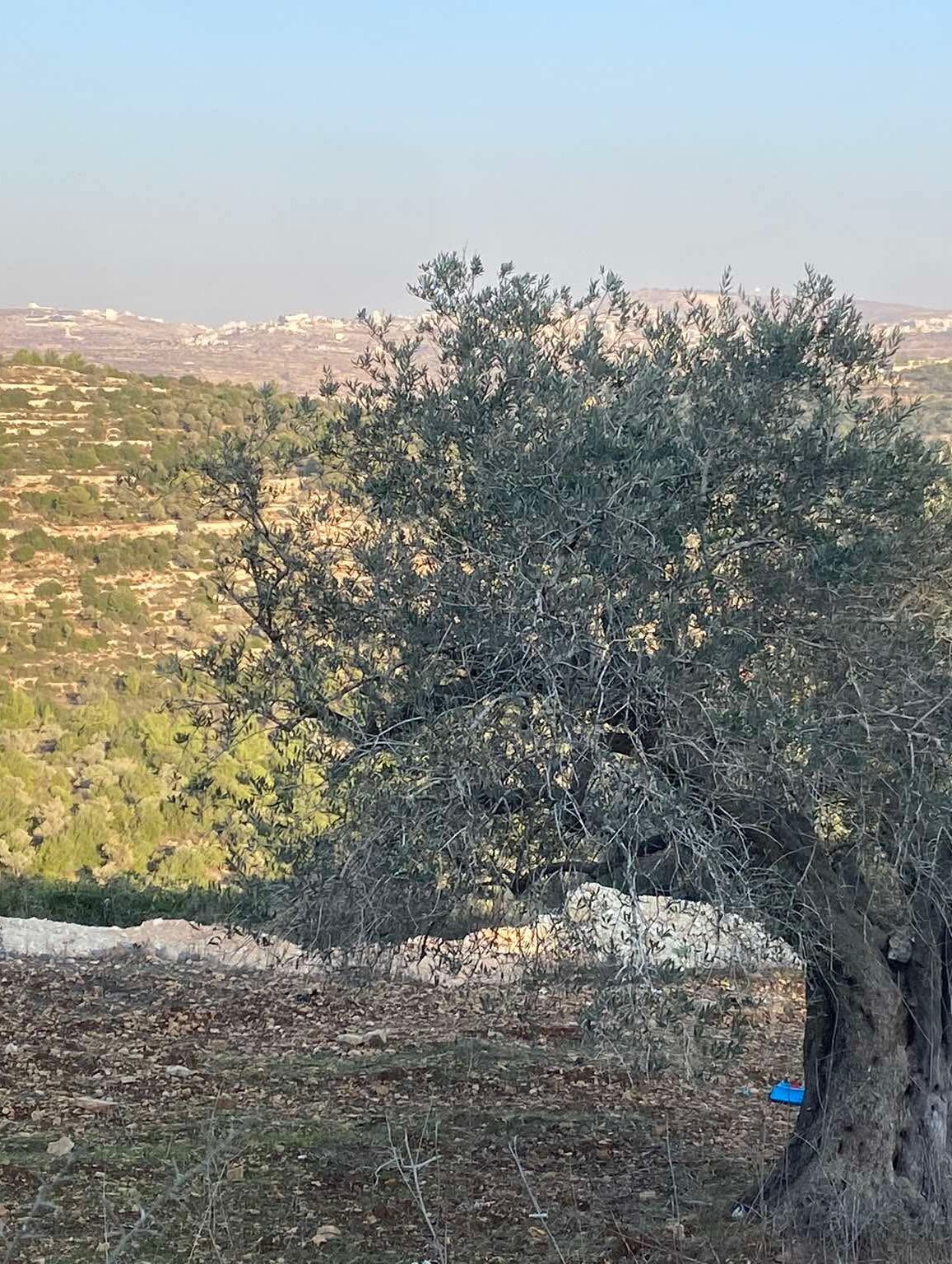
Two Poems by Dalia Taha, translated by Sara Elkamel

DALIA TAHA
All we own are our lips / and the pupils of our eyes—the car / will plow into all of this. / And still, life is far too complex / for words like victory or defeat. // Life is Salma on the balcony / moving plants to bigger pots, in her eyes / the settlement’s lights. 

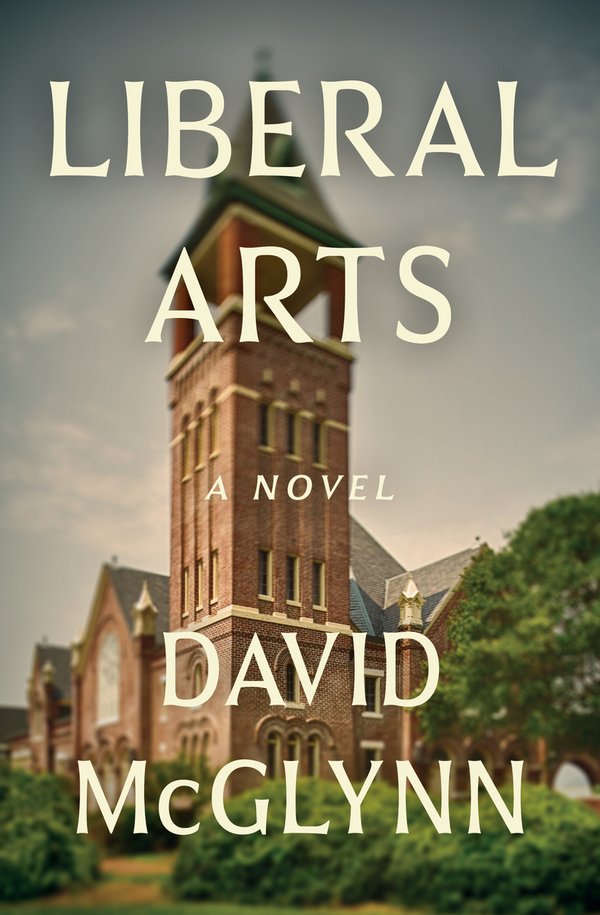
Book cover for Liberal Arts by David McGlynn

Review: Liberal Arts by David McGlynn

NICOLE SCHRAG
Liberal Arts isn’t a satire. Instead, the humor originates in situational ironies that arise from the bizarre juxtapositions that might be made possible in and around universities, where people who otherwise have no earthly reason to find themselves in the same room are brought together.

Book cover of What Remains by Brais Lamela

Review: What Remains by Brais Lamela

ZARA KARSCHAY
Translated into English from the original Galician by Jacob Rogers, Lamela’s novel foregrounds the Franco regime’s work in disappearing villages, displacing its inhabitants, and forcing hundreds of political prisoners to work on its new reservoirs and dams.