Modern Gods

By JOHN FREEMAN


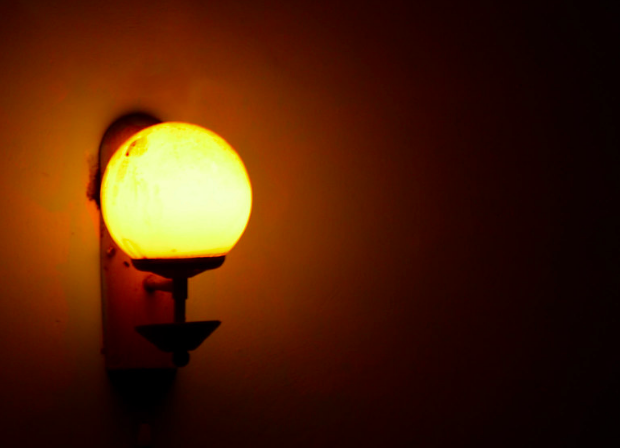
Backlit by the glow
from a small passageway,
he kneels into the fog
of yellow light,
head kissing the carpet.
I step around him,
respecting his privacy, when 
the mat becomes not prayer 
rug but builder’s tool,
a black piece of tarmac, laid down
before the bank so he could
peer close, fix the dead 
motion sensor so that people 
with money could 
be seen, all doors opening
for them.


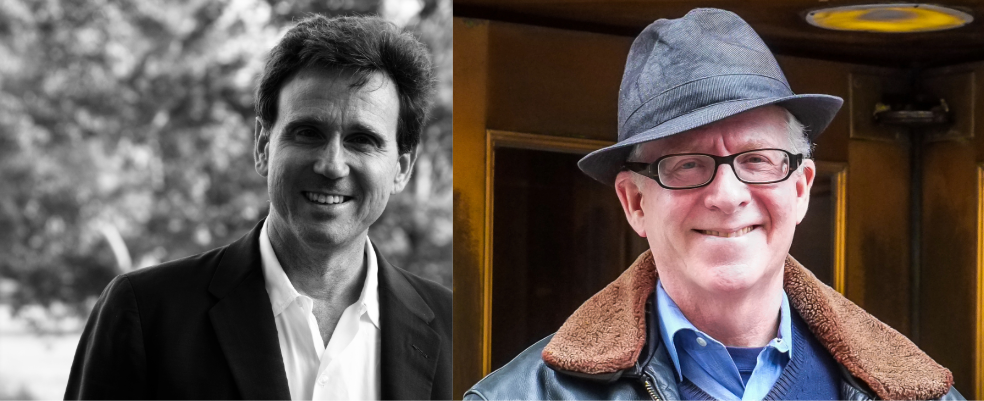
John Freeman is editor of the literary annual Freeman’s. His latest books are Dictionary of the Undoing; Tales of Two Planets, an anthology of writing on inequality and the climate crisis; and The Park, a collection of poems. The executive editor of Literary Hub, he lives in New York. His works has been translated into twenty-four languages.
[Purchase Issue 19 here.]

From the beginning, The Common has brought you transportive writing and exciting new voices. We are committed to supporting writers and maintaining free, unrestricted access to our website, but we can’t do it without you. Become an integral part of our global community of readers and writers by donating today. No amount is too small. Thank you!

Modern Gods

Related Posts

Black and white portrait of a man wearing spectacles.

They Could Have

CONSTANTINE CONTOGENIS
Near destitute, I’m this close to homeless. This killer of a city, Antioch, / it’s eaten all the money I have, / this killer and its cost of living. // But I’m young, in the best health. / I speak a marvelous Greek / (and I know, I mean “know,” my Aristotle, Plato, / the orators, poets, the—well, you name them).

March 2026 Poetry Feature: Welcome Back Peter Filkins

PETER FILKINS
pissarro is dead cézanne too / swept away like willowed flotsam / that brute degas gone as well / chafing tides the sea of years // long ago battles fought discarded / ballast tossed from fame’s balloon / rising like heat and the unheard prices / feeding straw to the fires of need // for more garden cuttings variants

Two Poems by Heather Bourbeau

This forest is named for the first head of the National Forest Service, who warned of assuming natural resources were inexhaustible, who said without conservation we pay the price of misery, degradation, and failure, who asked if these resources were for the benefit of us all or for the use and profit of a few? He was also a leading eugenicist.