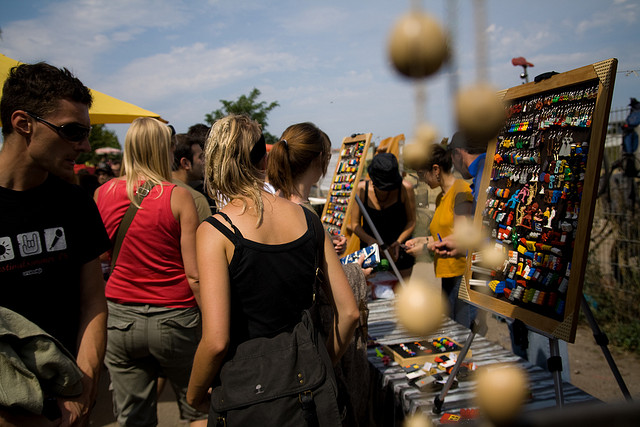
The BBF is New England’s largest annual literary event, boasting a street fair, live music, writing workshops, and other interactive events for both adults and children. Find out more about this year’s event at www.bostonbookfest.org.


The BBF is New England’s largest annual literary event, boasting a street fair, live music, writing workshops, and other interactive events for both adults and children. Find out more about this year’s event at www.bostonbookfest.org.
There is something in me that loves an island. I live on one (Queens, New York, on Long Island, across the East River from the isle of Manhattan). I’m attracted to all kinds—those buried by volcanic eruptions; adrift in a blue void endless as the cosmos; locus of nearly extinct languages; and even the fictitious Island of Lost Souls ruled by the mad scientist Dr. Moreau.
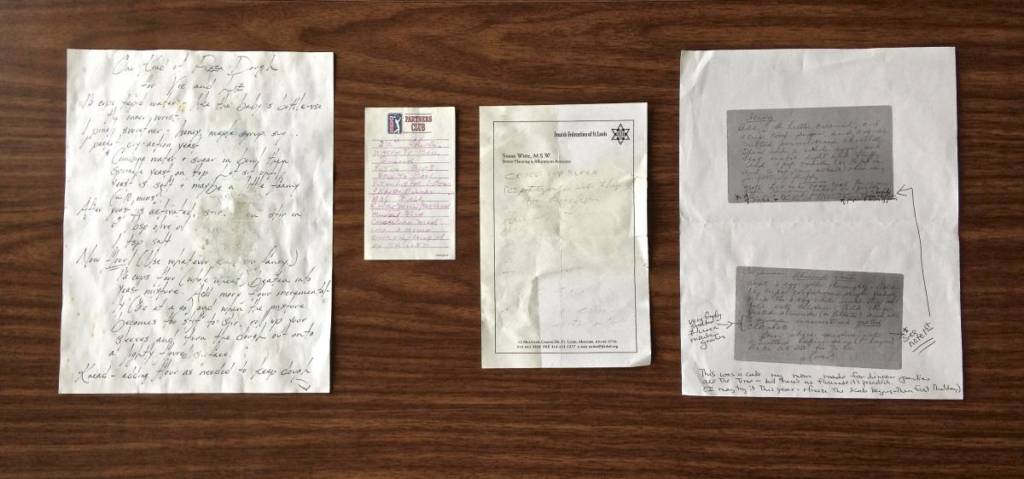
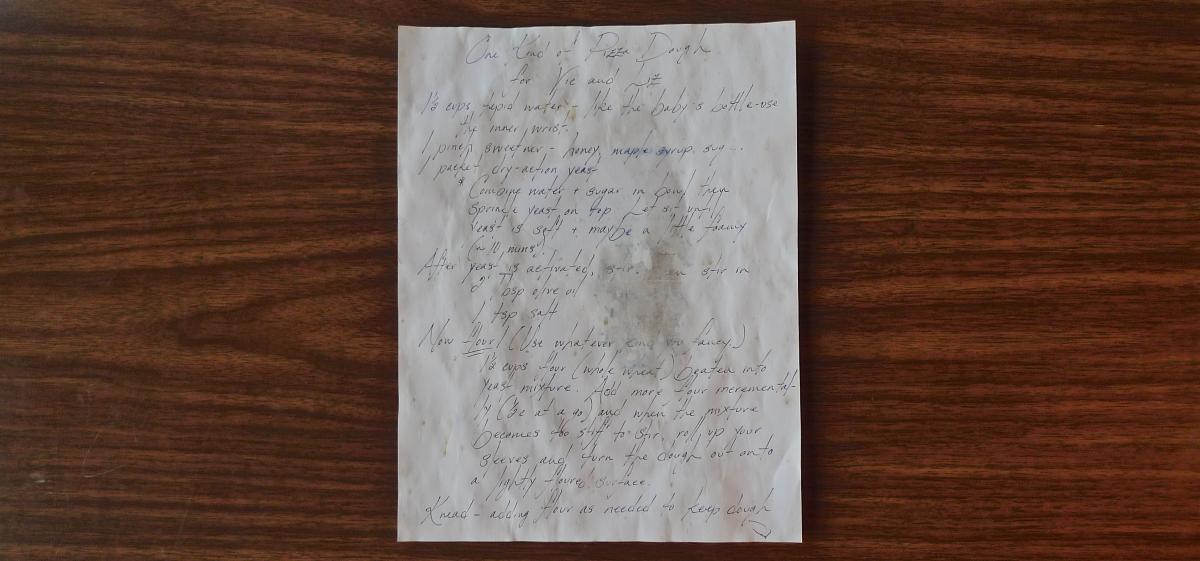
CRISCO IN A BLOCK
I’m not really sure why it’s all so illegible now. The ink fades to nothing midway through and is gasping for breath where it’s visible at all. I have a vague recollection of the page living on one side of the fridge for a time (reminding us of its existence)—so perhaps the sunlight hit it just so. Or perhaps the pen itself was too weak, not up to the task.
By AVIYA KUSHER

Here, deep in the thickness of northern Germany, dogs travel glamorously, in their own spacious compartments. Apart from the dogs, who are large and meticulously groomed, there are only a few passengers on the local train heading north from Hamburg. I see a man with black hair, carrying a leather folder bulging with carbon paper—a traveling salesman, perhaps. There are two old ladies in pastel cardigans, their cheeks wrinkled and stern, and three tanned backpackers, loudly sharing Muesli and what looks like bottled carrot juice. Other than that, there is just my blue-eyed mother, nervously staring out the sealed window.

Booksellers Row is located on the Emily Dickinson Museum Grounds.
View the full schedule of events here for more information on the Emily Dickinson Poetry Marathon, readings by acclaimed poets, panel discussions, workshops, and more!
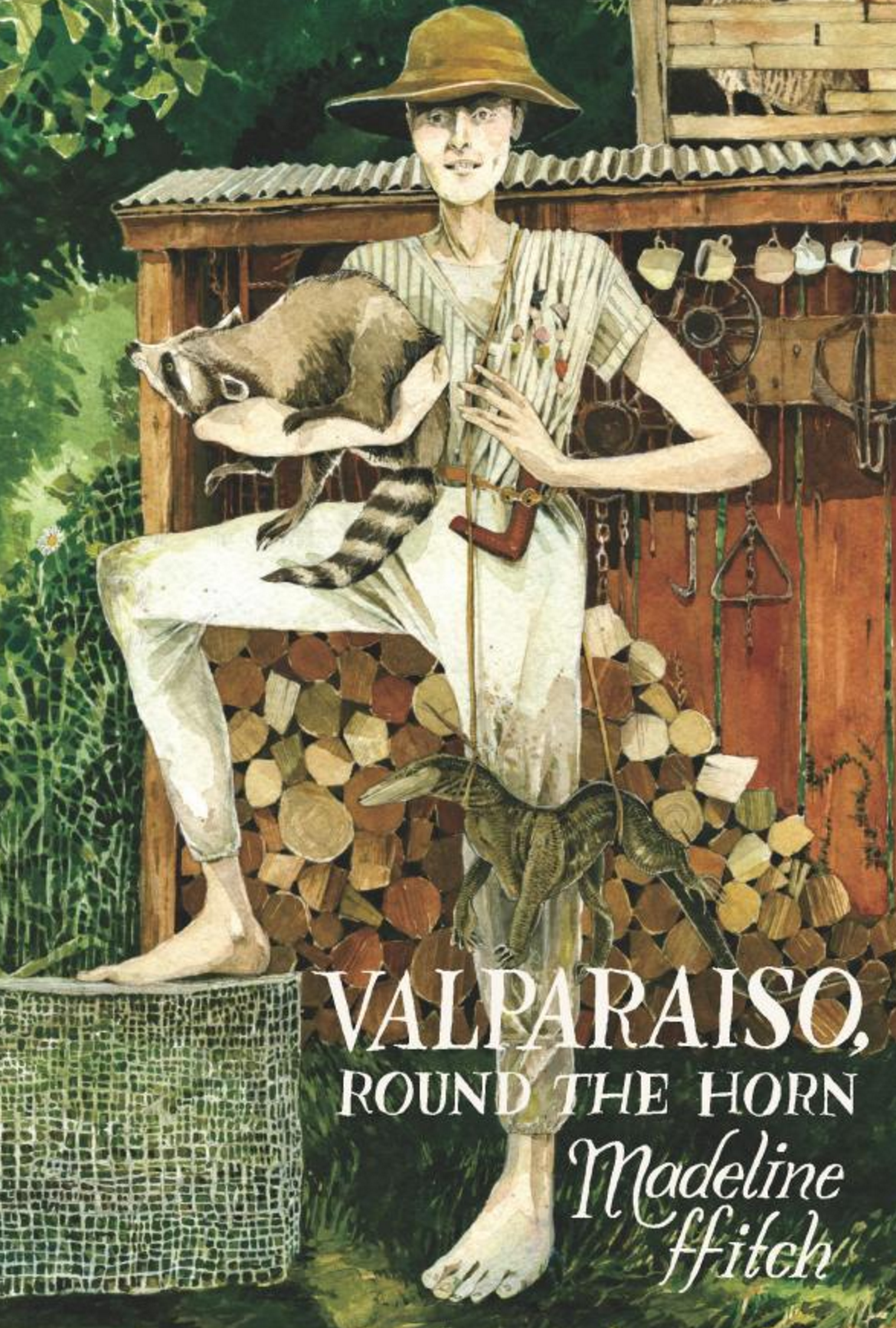
Book by MADELINE FFITCH
Reviewed by JUNE GERVAIS

I like stories that leave me feeling I’ve encountered a living creature, or eaten a spicy meal, or sat stunned in a light-drenched temple. When a book feels like that, I want to offer a chili-studded forkful, or make urgent gestures: Feral pigs that way!
In the case of Valparaiso, Round the Horn, the debut short story collection by Madeline ffitch—which does, in fact, include feral pigs, along with myriad other wild creatures—I would hand it to you green and dripping, like a poultice of macerated plants, as an antidote to ennui.
By NOOR QASIM

I wake up from my three-hour nap because of a text from my brother.
I’ll be there in five!
After reading some texts and checking Facebook, I summon the strength to pull myself off the mattress, leaving the sheets damp with sweat behind me, and approach the red-framed mirror on the bright yellow wall of our hostel room. The nap had been good and deep but my head feels swollen with the heat and the grogginess of an interrupted sleep cycle. My eye-makeup is slightly smudged, which makes sense considering I’d applied it five minutes before I passed out. It didn’t have time to dry.
S. TREMAINE NELSON interviews LAUREN GROFF

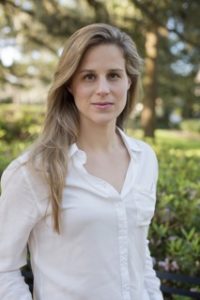
Lauren Groff is the New York Times bestselling author of The Monsters of Templeton and Arcadia, as well as the enviably acclaimed short story collection Delicate Edible Birds. Her forthcoming novel Fates and Furies will be published by in September by Riverhead. Lauren and S. Tremaine Nelson connected over Skype for a few minutes, inexplicably without sound, communicating with primitive hand gestures and unrecognizable symbols, until they agreed to give up on that futuristic technology and connect the old-fashioned way, over the phone. They spoke for about an hour, covering a variety of topics like tailgating, running, reading, and, of course, writing.
It’s a small boat with no ladder and so we board by wading into the water, grabbing hold of the edge and pulling ourselves up. Passengers help each other heave themselves forward; a couple older women get lifted like children. Unlike the boat that brought us here, there is no manifest, no recording of passport numbers, no printed tickets—but there is space—kind of—and life jackets, and the men who work on this boat have agreed to take us back to the main port for a reasonable price. The other boats—the one that brought us here and the larger, shinier ones that look more like the ones that brought us here—are full, and it is three thirty, a half hour past the time we have been told all of the boats will be gone.