
Leaving Florida

By GRIFFIN LESSELL


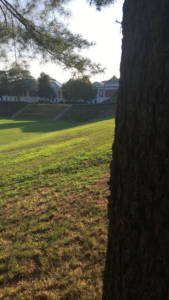
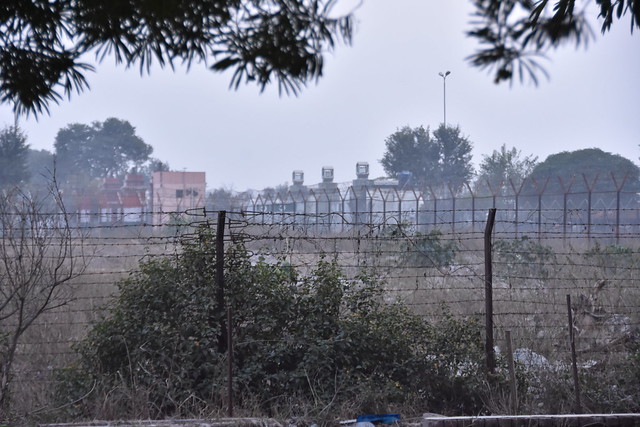
We arrive at night, landing at West Palm International, still wearing jeans and fleece jackets as we step into the Florida night and walk to the taxi stand through air softened by warmth and humidity. Fifteen minutes later my sister and I stumble over the tiny brick path that leads from the edge of the cul-de-sac to the front door, swatting at mosquitos while my dad punches in the security code, everybody exhausted but excited to finally be back. It’s always like this, in all my memories of the place – an evening flight out of Boston landing us in West Palm sometime between ten and midnight, the night always clear, the air a humid 73.

The house belonged to my grandparents. Every February while I was in elementary school, my family would stay there for a week, a brief respite from the New England winter. My grandparents purchased the house as an eventual retirement home, but my grandfather had still not retired, and so the house occupied a strange sort of limbo, going entirely un-lived-in over the summer, and seeing only nine or ten weeks of use in the rest of the year. We returned each year to a sterile, static domicile that was clearly nobody’s home, greeted by the same immaculate white carpets, spotless tabletops, and barren kitchen. The house felt like a blank canvas over which our vacations were painted; it functioned simply as a base of operations. And this was the role my parents wanted it to play, because they were always desperate to get out of the house, to not let their week off go to waste. But for me, the house, and the similarly sterile neighborhood around it became the consummate vacation setting. February vacation came to be synonymous with Florida, the days 80 degrees and sunny, the blacktop so hot that wiffleball games couldn’t be played barefoot, the nights cool and humid and echoing with the hooting, melancholy whistle of the night train that passed along the outskirts of the gated community just after my nine-thirty bedtime.
Leaving Florida
Read more...

Thirty-One Things About the Lime of Control

By KRITIKA PANDEY


Three weeks ago, my 11-year-old Indian American cousin woke me up with a series of heartbreaking text messages. Didi you up? Mom dad and everyone else can’t stop watching the news. Theyre thrilled. Kashmir sounds like kishmish. Whats the lime of control btw? Why do hindus dislike muslims? I had not yet gotten out of bed in my small, sleepy university town in Western Massachusetts. But my aunt and uncle were up early in the morning as friends and neighbors, fellow upper-caste pajama-clad Indian Americans with unbrushed teeth and undemocratic hearts, had gathered in their New Jersey apartment to watch the Home Minister of India officially and unilaterally revoke the special status of Jammu and Kashmir, live from the parliament.

Part of what makes Jammu and Kashmir special is what makes India special. As a kid, I used to mug up from my school textbooks that India is the land of festivals, colors, dances, languages, religions, so on and so forth, but I was unable to appreciate the water in which I was a fish. Now when I go for months without hearing words that I don’t understand, as every cashier in every store asks me to ‘have a good one’ in the exact same tone and pitch, I have to listen to a Rajasthani or a Tamil song just to reorient myself. I need to know that there will always be so much that I don’t know. Therefore, I must constantly remember India, much of which is sort of me but not quite me, because it makes me feel bigger than myself.

Thirty-One Things About the Lime of Control
Read more...

Friday Reads: August 2019

Curated by SARAH WHELAN

The Common is a proud recipient of a Whiting Literary Magazine Prize, and our staff are ready to celebrate! In conjunction with the Brooklyn Book Festival, you’re invited to join Whiting Prize winners The Common, Black Warrior Review, American Short Fiction, The Margins (Asian American Writers Workshop), and The Offing for an evening of literary merriment at LIC Bar in Long Island City. Event details can be found here

If you’re already as excited as we are, please enjoy this month’s Friday Reads as a special treat – featuring reviews from editors at all the winning publications.

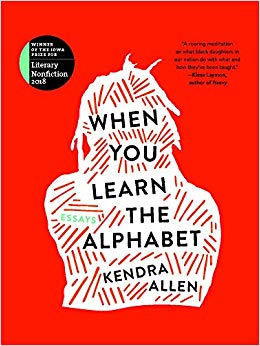
Recommendations: When You Learn The Alphabet by Kendra Allen; Two Lives: A Memoir by Vikram Seth; The Year of Blue Water by Yanyi; Shade It Black: Death and After in Iraq by Jess Goodell; A Feather on the Breath of God by Sigrid Nunez.

Friday Reads: August 2019
Read more...

How to Cure Your Fear of Flying

By SARAH VAN BONN

Start small. Your brain created this mess; it can get you out. Right?

The key must be to think the right thoughts. Your elaborate rituals have so far kept the airplane from nose-dive and tailspin, but they don’t prevent that boulder of fear from implanting itself cozily in your gut weeks ahead of any flight. You first notice its presence the year your annual life tally reaches nineteen, the year the solid base of your adolescent invincibility begins to erode under waves of ontological dread—like this whole time it was just made out of stale bread, not stone at all, and now it’s sogging apart.

How to Cure Your Fear of Flying
Read more...

Review: Hurtling in the Same Direction – At Home in the New World

Book by MARIA TERRONE

Review by SUSAN TACENT

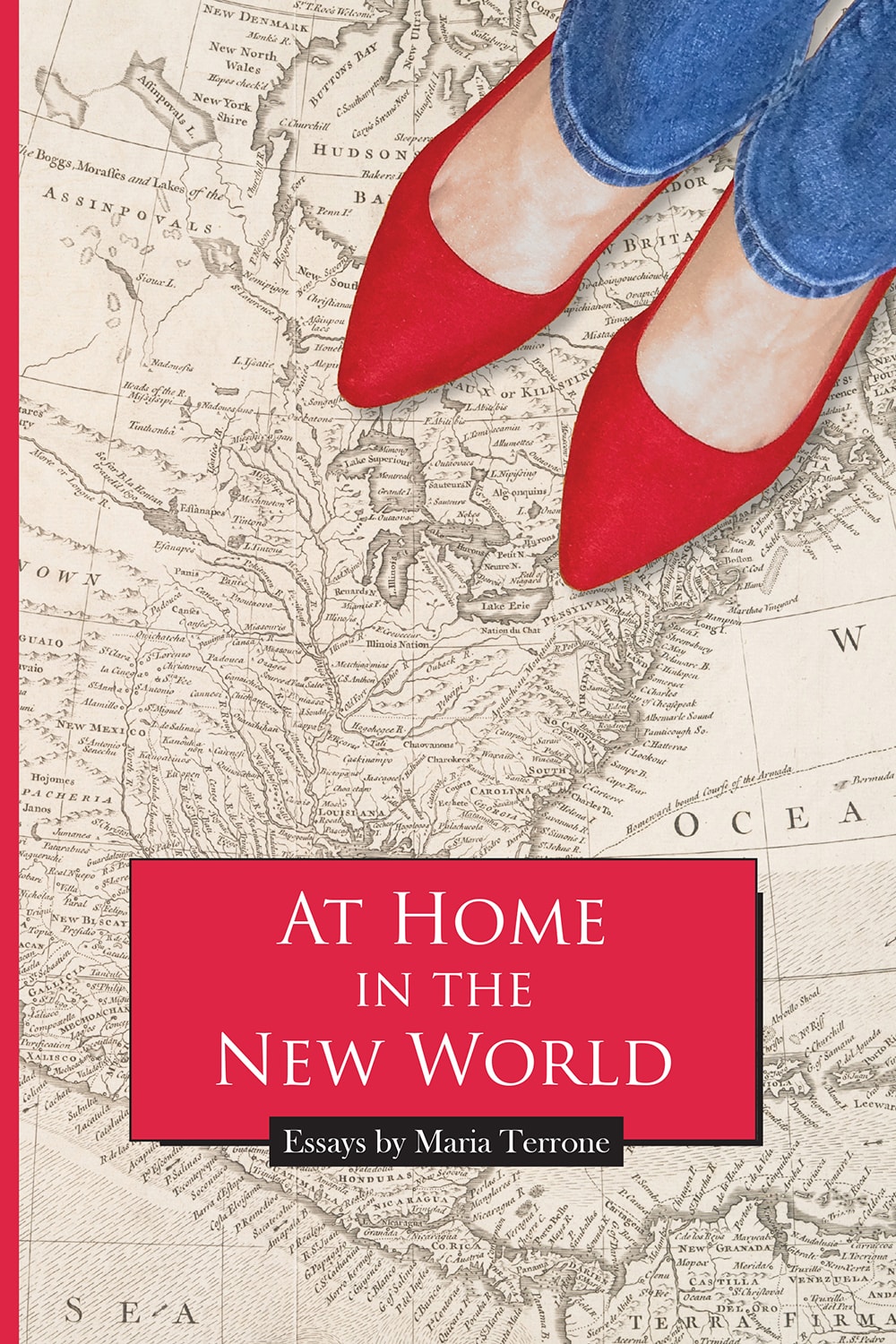
Cover of At Home in the New World

Maria Terrone’s grandparents were among the estimated nine million people who emigrated from Italy between 1881 and 1927. While her parents were born in the United States, her connection to Italy is deep, informing her identity and experiences as much as being a lifelong New Yorker has.

Review: Hurtling in the Same Direction – At Home in the New World
Read more...

Translation as Art: Against Flattening

Essay by HISHAM BUSTANI

English translation by ROBIN MOGER

Essay appears in the original Arabic here.

An introductory essay to Stories from Syria, a portfolio published in English by The Common and in Arabic by Akhbar Al Adab (Egypt).


Today, in the second installment of a transatlantic literary collaboration which I hope will last for many years to come, Akhbar Al Adab publishes the original Arabic texts of stories by Syrian writers whose English translations appear in a special portfolio in Issue 17 of The Common, a literary magazine based at Amherst College. The first portfolio in the series contained stories by Jordanian writers and was published in Issue 15 of The Common, which followed the collaboration’s inaugural project: an issue of the magazine (Issue 11, Spring 2016) entirely dedicated to contemporary Arabic literature in translation entitled Tajdeed (Renewal), in which editor-in-chief Jennifer Acker and I selected stories and artworks by twenty-six writers and five artists from fifteen Arabic-speaking countries, with eighteen translators bringing the work into English.

Translation as Art: Against Flattening
Read more...

Island Lessons

By CHARMAINE WILKERSON

Jamaican dock

Westmoreland, Jamaica

Scorpions, jellyfish, poisonous flowers. My orientation as a young newcomer to a Caribbean island began with a litany of how to avoid being stung or cut or poisoned or burned. At age four, I learned to shake out my shoes to check for scorpions. I learned to back away from the pink blooms of jellyfish in the water. I learned to recognize the dark, flitting form of the stingray. I learned don’t step on a sea urchin, don’t eat an ackee raw, don’t taste the milky sap of the oleander plant.

Island Lessons
Read more...

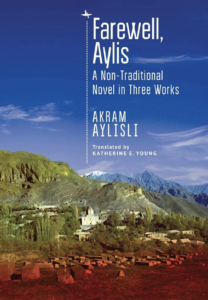
Review: Farewell, Aylis: A Non-Traditional Novel in Three Works

Book by AKRAM AYLISLI

Translated from Russian by KATHERINE E. YOUNG

Review by OLGA ZILBERBOURG

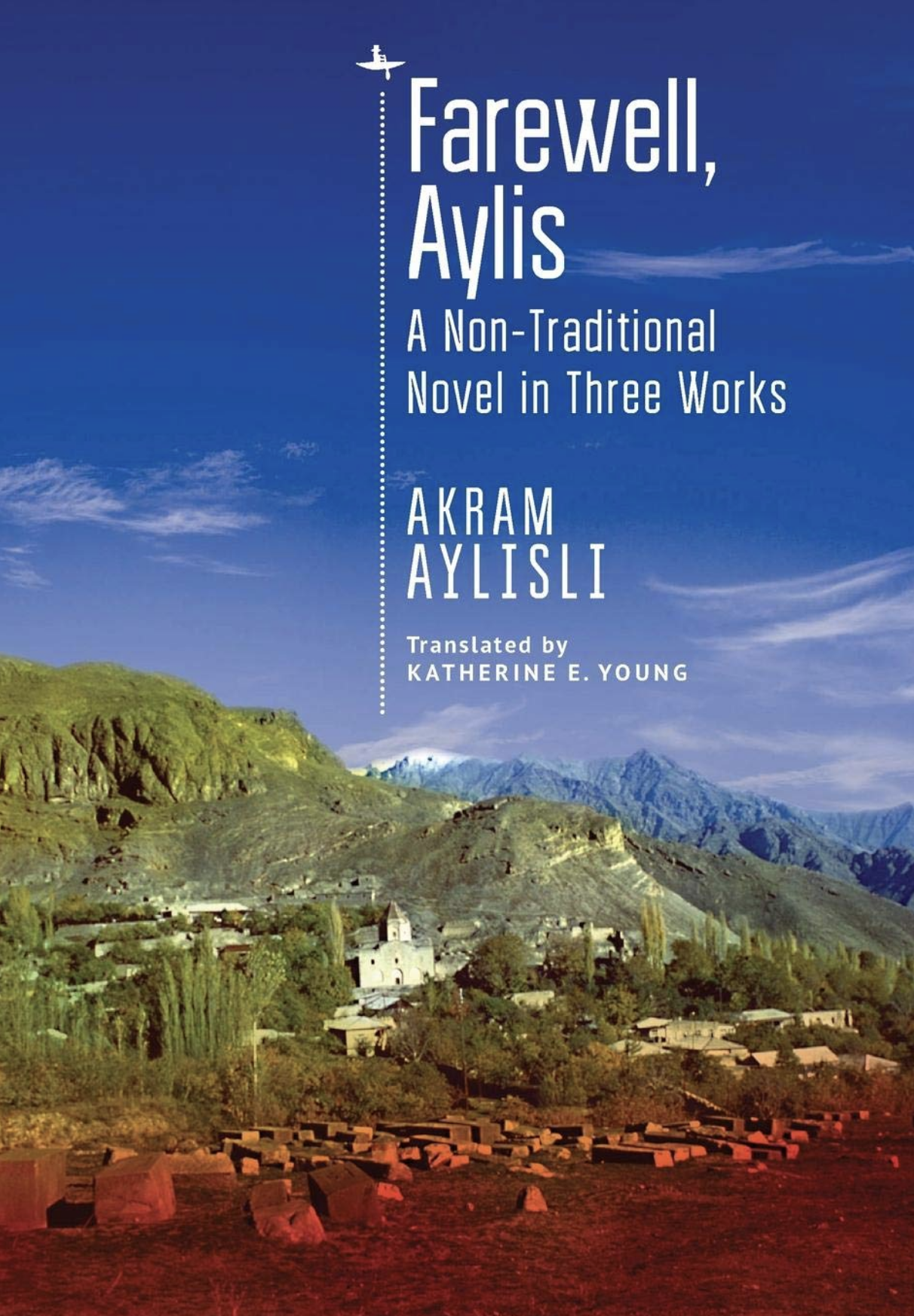
Image of blue book cover

Contemporary books emerging from post-Soviet countries often deal with the dehumanizing effect of the region’s systems of government on its victims, seeking to trace and partially redeem the psychological and physical harm many have suffered. For understandable reasons, few authors care to look at the perpetrators, at the people who committed murders and mass murders, informed on and denounced their neighbors. Yet, in the post-Soviet reality, often it’s these people and their descendants who have risen to the top, taken charge of the new nation states, and written their laws.

Review: Farewell, Aylis: A Non-Traditional Novel in Three Works
Read more...