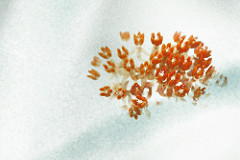
Ode to the Coastal Flowers/ Oda a Las Flores de la Costa

By PABLO NERUDA


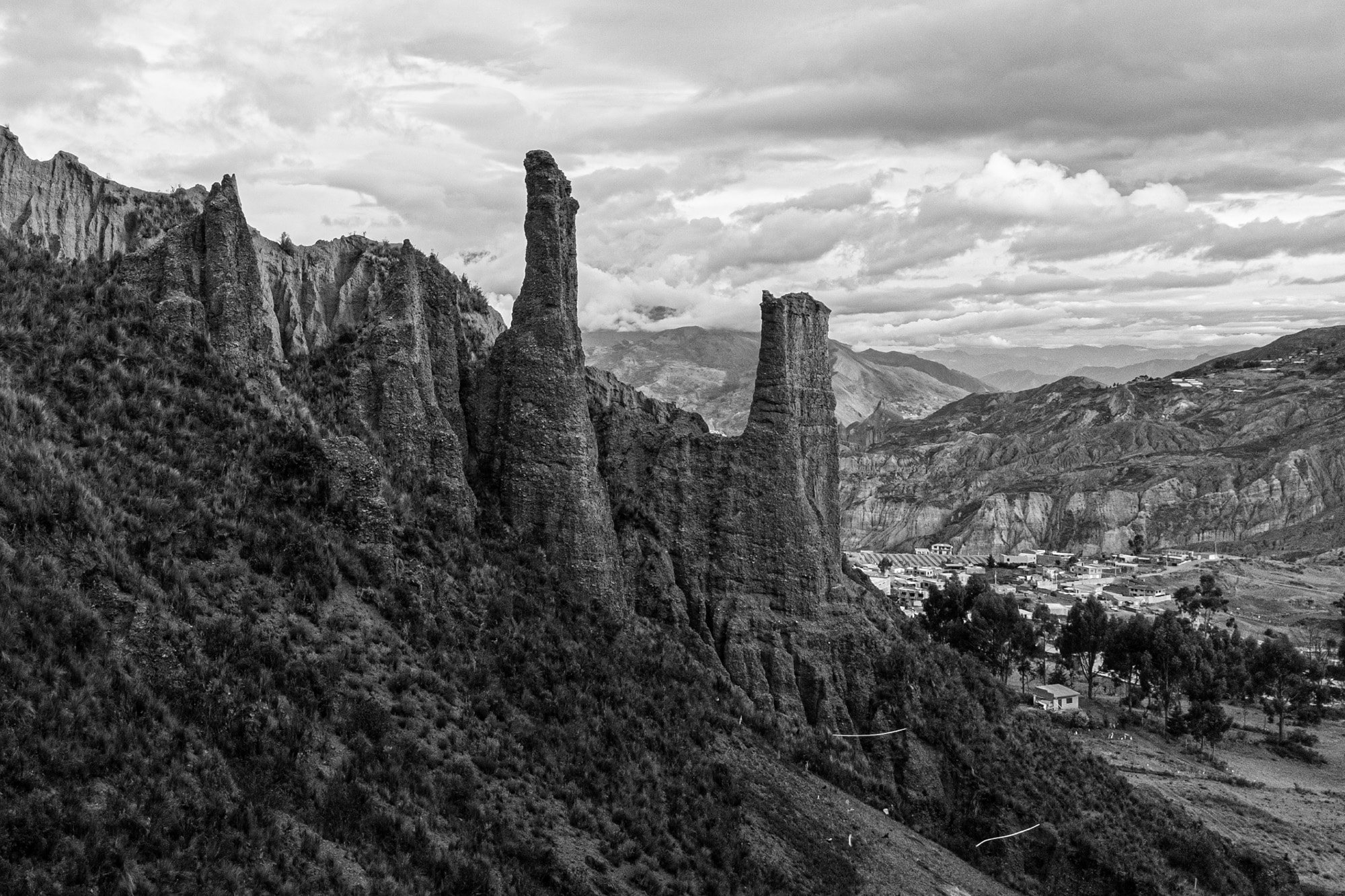
The Isla Negra wildflowers
are blooming,
they have no names, some
seem like sand crocuses,
others
illuminate
the ground with yellow lighting.


I’m a pastoral poet.


I feed myself
like a hunter;
near the sea, at night,
I build a fire.


Only this flower, only this
marine solitude;
and you, glad,
simple, like an earthly rose.


Life
begged me to be a fighter;
I organized my heart around struggle,
and keeping hope alive:
I’m a brother
to man, to everyone.
My two hands
are named duty and love.


I stare
at the coastal
stones,
while the flowers that lasted
through oblivion
and winter
to raise a tiny ray
of light and fragrance
to tell me farewell
yet again
farewell to the sand,
the wood,
the fire
of the forest,
the sand
it hurts to walk along.
I’d rather stay here,
not on the streets.
I’m a pastoral poet.


And duty and love are my two hands.


Translated by Ilan Stavans


Pablo Neruda, a renowned Chilean poet, won the Nobel Prize for Literature in 1971. 

[Purchase your copy of Issue 05 here]
From the beginning, The Common has brought you transportive writing and exciting new voices. We are committed to supporting writers and maintaining free, unrestricted access to our website, but we can’t do it without you. Become an integral part of our global community of readers and writers by donating today. No amount is too small. Thank you!

Ode to the Coastal Flowers/ Oda a Las Flores de la Costa

Related Posts

The Ground That Walks

ALAA ALQAISI
We stepped out with our eyes uncovered. / Gaza kept looking through them— / green tanks asleep on roofs, a stubborn gull, / water heavy with scales at dawn. // Nothing in us chose the hinges to slacken. / The latch turned without our hands. / Papers practiced the border’s breath.

A window on the side of a white building in Temple, New Hampshire

Dispatches from Søgne, Ditmas Park, and Temple

JULIA TORO
Sitting around the white painted wood and metal table / that hosted the best dinners of my childhood / my uncle is sharing / his many theories of the world / the complexities of his thoughts are / reserved for Norwegian, with some words here and there / to keep his English-speaking audience engaged