By ALBERTO DE LACERDA
Translated by SCOTT LAUGHLIN
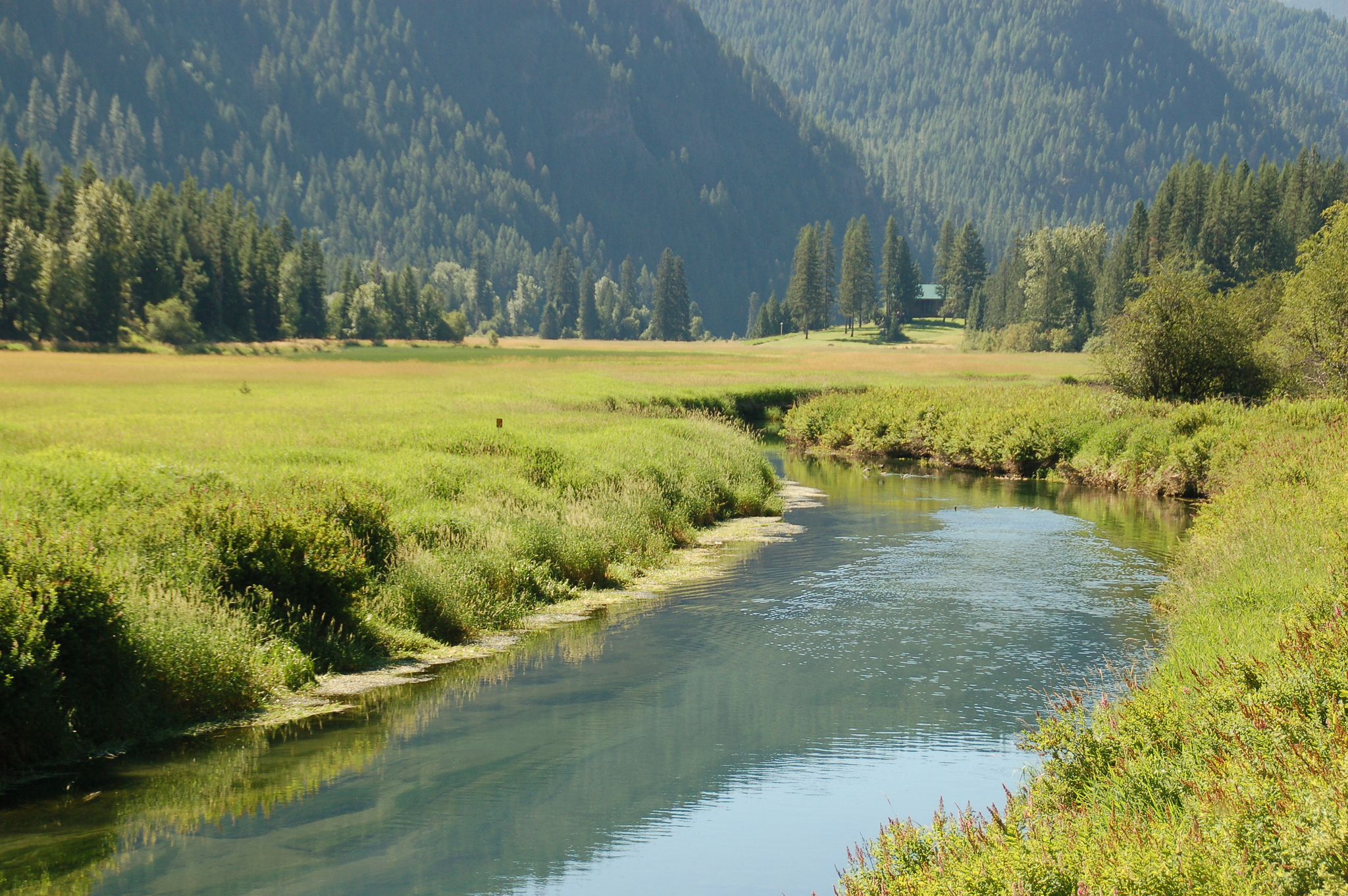
The soft whisper of a river
Mingling slowly
With another river: a force
Surging around us
The profound peace
Of this natural rhythm

By ALBERTO DE LACERDA
Translated by SCOTT LAUGHLIN
The soft whisper of a river
Mingling slowly
With another river: a force
Surging around us
The profound peace
Of this natural rhythm

And I remember the first slap that followed the slur, how soft
were the fingertips, so slick with oil and sweat the burning mark
seemed to reassure both ‘Know your place’ and ‘This, too, shall pass.’

DENNE MICHELE NORRIS interviews BETHANY BALL

This year, Bethany Ball’s debut novel What to Do About the Solomons took the literary world by storm, garnering a rave review from The New York Times and a short-listing for The Center For Fiction’s First Novel Prize. In What to Do About the Solomons, Ball writes a provocative, sexy, and darkly funny tale about a multigenerational family with origins in an Israeli kibbutz. She moves us between decades and continents, from lonely childhood to lonely adulthood to the home raid of an alleged money launderer. Perhaps all in a day in for this intricate family that moves simultaneously closer together and farther apart.
In this month’s interview, Denne Michele Norris and Bethany Ball talk writing multigenerational families, awkward sex scenes, and more.
By ANYA VENTURA
We all dreaded the Butterfly Haven, a greenhouse whose thermostat was set to an oppressive eighty degrees. We were tasked with ensuring the museum’s collection of exotic butterflies did not escape into other exhibits—Mysteries of the Marsh, Birds of Chicago, Wild Music—or suffer at the hands of visitors. The Butterfly Haven was a new addition, a garden under glass, the wild and fruit-bearing world reassembled. It was nature trimmed and mail-ordered, the gestation of life contained in a laboratory and maintained through ongoing shipments from Australia, Asia, Africa, and Central and South America. Butterflies died and were replaced in equal number.
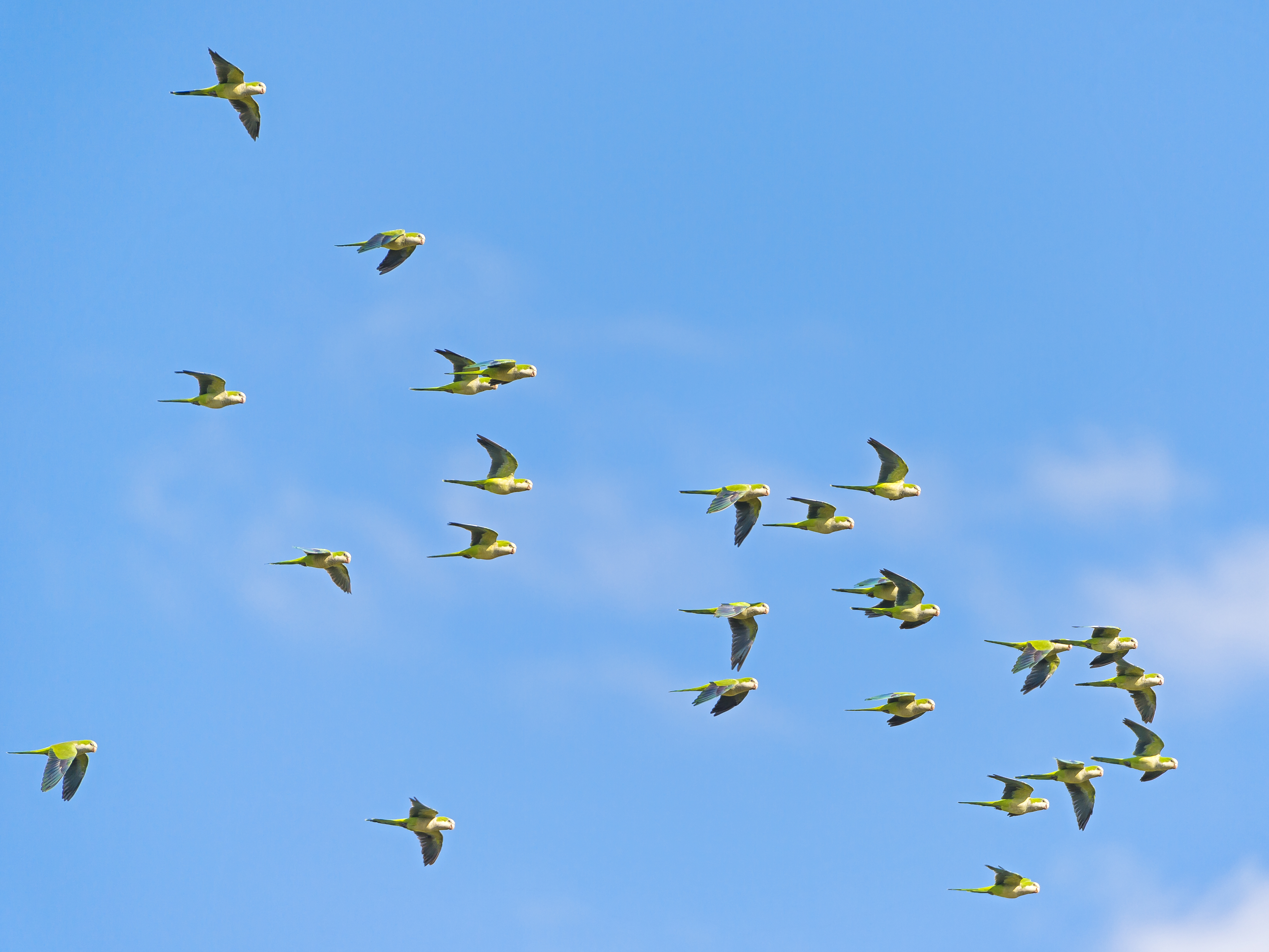
A flock of Aratinga nenday in the park today—
Green parakeets, so exactly the color of the grass
The grass itself seemed to shriek.
And all at once fly away.

by L. S. KLATT
The lifesaver found himself on a fire escape reading
a set of instructions. Step 1 directed him to match
the conflagration in his mind with a facsimile
that appeared in a diagram on the page.
That much was obvious, but Step 2 required careful
application: facing the riot & attempting to
extinguish it. This was complicated by the reality

A student once
Asked me: what
Is a poem? And
I looked at the
Student’s face—the
Student’s mouth was
Still open and I could
See deeply past gold-
Encrusted molars

By MATT SALYER
Check me on fleek like the night
kitchen mothers, pucker and hum some; come,
I like to liquor louche; let’s watch the flock
of spring-heeled bound as borough cabs
exhaust their carbon phantoms like a gauche
of fuck. Do you unzoo, unrouge
to rat as white, what roughshod? Do.
I want the carnal as straight metacognition,

by JOHN FREEMAN
I tell it so many times
on Tenth Street, over lunch
in a bar, to tender eyes,
it begins to sound
like a piece of news—
Images by Michael Mazur and Betsey Garand

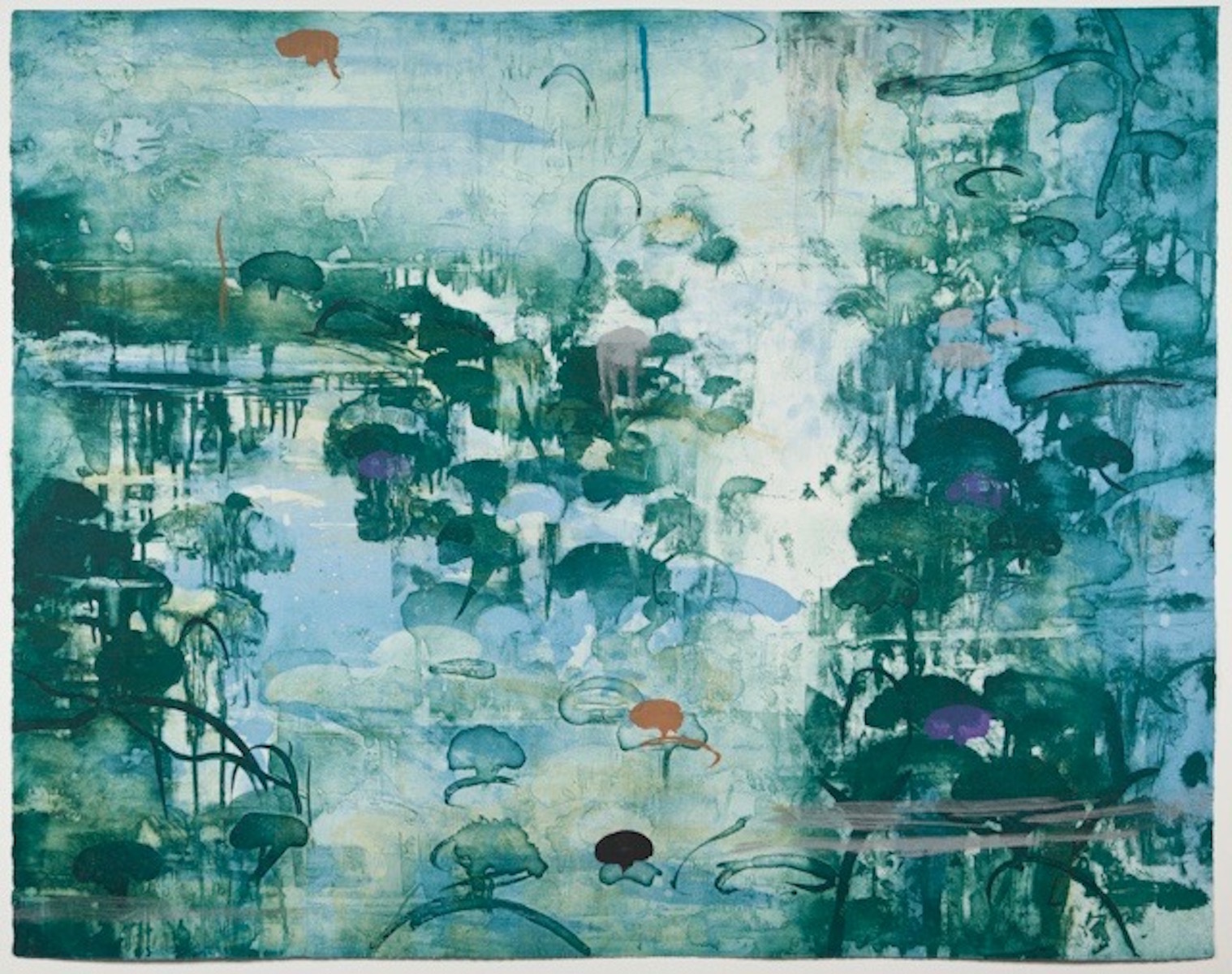
Three weeks ago, I had an intimate and frenzied encounter with a wild bobcat as it was chasing my chickens. We locked eyes for a moment, and I quickly glanced down at its large, impressive paws. Tawny, speckled fur contrasted starkly with razor-sharp black claws. It ran off to the edge of the woods, first stopping to glance back at me before disappearing into the thicket. I began to think of a series of intaglio prints that would capture the essence of this feral fury.

Don’t miss an issue! Subscribe to The Common.